
Quali sono i migliori sport d'avventura da imparare per chi è alle prime armi?
Quando si tratta di muovere i primi passi nel mondo degli sport d’avventura, alcune attività sono più facili da affrontare di altre. Se è la tua prima volta, ti conviene iniziare con uno sport che richieda poche competenze iniziali, comporti un basso rischio di infortuni e permetta di cominciare in piccolo, aumentando gradualmente il livello fino ad attività più impegnative.
In questo blog ti presenteremo gli sport d’avventura che consigliamo ai principianti e ti daremo anche alcuni consigli di sicurezza. Alcuni degli sport della nostra lista potrebbero sembrare più estremi, ma non preoccuparti! Non vogliamo certo mandarti in ospedale il primo giorno.
Fidati: questi sport sono in realtà molto sicuri quando impari in una scuola. Gli ambienti adatti ai principianti sono indispensabili ed è fondamentale scegliere sport che offrano lezioni o guide per chi è alle prime armi. Avere un professionista che ti insegni tutto può fare davvero la differenza per divertirsi in sicurezza.
Gli sport d’avventura più facili e sicuri per principianti
Paracadutismo
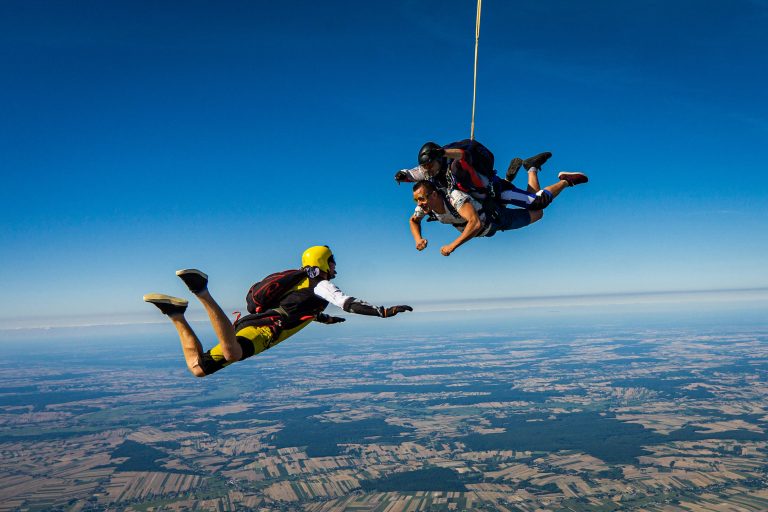
Paracadutismo come sport d’avventura adatto ai principianti? Scommetti! So che potrebbe sembrare folle, ma ascoltami. Non servono competenze speciali per iniziare – solo un po’ di coraggio e la disponibilità ad ascoltare il tuo istruttore. La maggior parte delle zone di lancio offre lanci tandem, durante i quali sei assicurato a un professionista che si occupa di tutti gli aspetti tecnici. Questo significa che tu devi solo goderti il lancio! La parte migliore è provare la sensazione della caduta libera. È un modo incredibile per vivere una scarica di adrenalina e ammirare panorami mozzafiato sul mondo circostante.
Il paracadutismo può sembrare spericolato, ma ha in realtà un ottimo livello di sicurezza quando si rispettano le regole. Scegli sempre un centro di paracadutismo affidabile e ascolta con attenzione durante la sessione di formazione. Quando arriva il momento di lanciarti, segui le indicazioni del tuo istruttore e goditi il volo. I professionisti lo hanno fatto migliaia di volte, quindi affidati alla loro esperienza. Ricorda: sono lì per tenerti al sicuro!

Immersioni subacquee
Se vuoi esplorare il mondo sottomarino, le immersioni subacquee sono uno sport d’avventura fantastico e perfetto per i principianti! Per iniziare bastano nozioni base di nuoto. La maggior parte dei centri sub offre corsi introduttivi in cui imparerai le basi in piscina prima di immergerti in acque libere. L’attrezzatura può sembrare complicata, ma il tuo istruttore ti aiuterà a indossarla e ti spiegherà tutto. Una volta sott’acqua, potrai ammirare pesci di ogni tipo e barriere coralline. È senza dubbio un’esperienza unica.
Ora, tuffiamoci nella sicurezza! Prima di tutto: non immergerti mai da solo, soprattutto se sei un principiante. Immergiti sempre con un compagno più esperto oppure affidati a una guida. Durante la formazione, presta particolare attenzione all’apprendimento dei segnali manuali e comunica sempre con il tuo compagno d’immersione. Non superare i tuoi limiti e attieniti al piano d’immersione e alla profondità prevista. Ricordati di controllare il manometro e inizia la risalita quando raggiungi il livello concordato. Infine, per la tua sicurezza, rispetta la vita marina. Guardare va bene, ma non toccare!
Escursionismo
L’escursionismo è l’attività all’aperto perfetta per i principianti. Puoi iniziare subito con un paio di scarpe comode, una borraccia piena e magari qualche snack nel caso ti venga fame. I sentieri escursionistici si trovano ovunque, dai parchi locali alle foreste nazionali, quindi puoi trovare il percorso perfetto per il tuo livello di forma fisica. Che tu preferisca tranquille passeggiate nella natura o impegnativi sentieri in salita, troverai sicuramente il percorso adatto a te. Inoltre, è un ottimo modo per disconnettersi dal mondo digitale, respirare aria fresca e magari avvistare animali selvatici.
Prima di partire, informa sempre qualcuno sulla tua destinazione e sull’orario previsto per il rientro. Controlla le previsioni meteo prima di uscire e vestiti adeguatamente. Indossa più strati per affrontare i cambiamenti del meteo e scegli capi che favoriscano la traspirazione. Assicurati di scegliere sentieri adatti a te – puoi iniziare con percorsi facili, di lunghezza breve o media. Presta attenzione ai livelli di difficoltà e ai tipi di terreno, e rimani sui sentieri segnalati, soprattutto all’inizio. Non è il momento di trasformarti in un esploratore e allontanarti dal percorso! Ecco un consiglio fondamentale: conosci i tuoi limiti e fai delle pause quando ne hai bisogno!
Parapendio
Non lasciarti spaventare dall’idea del parapendio, è sorprendentemente facile! È uno degli sport in cui non devi preoccuparti di essere da solo, il che lo rende perfetto per chi è alle prime armi. La maggior parte delle scuole di parapendio offre voli tandem durante i quali sarai assicurato a un pilota esperto. Sarà lui a occuparsi di tutto il lavoro impegnativo mentre tu ti godi il volo e panorami incredibili! Puoi praticare il parapendio in luoghi di ogni tipo, dalle scogliere costiere alle catene montuose. È un modo fantastico per ammirare il mondo da una nuova prospettiva. Inoltre, la sensazione di planare nell’aria è surreale.
Per la tua sicurezza, affidati sempre a una scuola o a un istruttore di parapendio certificato. Queste persone sanno il fatto loro e si assicureranno che tu sia in buone mani. Quando sei in aria, segui le istruzioni del pilota. Potrebbe chiederti di inclinarti da una parte o dall’altra per aiutare a governare il parapendio. Non provare però a fare acrobazie e lascia queste manovre ai professionisti. Il parapendio dipende molto dalle condizioni meteorologiche, quindi fidati del tuo istruttore se ti dice che non sono favorevoli. Ecco un consiglio da professionista: non fare un pasto abbondante subito prima del volo. Se hai bisogno di mangiare, scegli qualcosa di leggero.

Stand-up paddle
Lo stand-up paddle (SUP) è uno sport acquatico tranquillo che consigliamo vivamente. Le tavole SUP sono stabili e progettate per acque calme, quindi è più facile mantenere l’equilibrio rispetto al surf tradizionale. Per iniziare, ti basta salire su una tavola, prendere una pagaia e partire! La maggior parte dei noleggi fornisce tutta l’attrezzatura necessaria. Anche le tecniche base di pagaiata si imparano facilmente, rendendo SUP accessibile persino a chi non ha mai praticato sport acquatici. È un ottimo allenamento per tutto il corpo e un modo fantastico per esplorare corsi d’acqua o semplicemente rilassarsi al sole.
Anche se sai già nuotare, devi sempre indossare un giubbotto salvagente o un dispositivo personale di galleggiamento. Inizia in acque calme e piatte per esercitarti a mantenere l’equilibrio e a pagaiare. Controlla sempre le condizioni meteo ed evita di pagaiare con vento forte o in acque mosse. Se vai in mare, fai attenzione a maree e correnti e usa un leash! Ti mantiene collegato alla tavola nel caso tu faccia un tuffo imprevisto. Assicurati di rimanere idratato e non dimenticare la crema solare. L’acqua riflette la luce del sole, quindi puoi scottarti più velocemente di quanto immagini. Infine, pagaiare con un compagno o in gruppo è sempre più divertente (e più sicuro).

Kayak
Il kayak è una vera chicca per i nuovi avventurieri che cercano qualcosa di emozionante. Si impara molto facilmente e la maggior parte dei noleggi offre kayak adatti ai principianti. I kayak sit-on-top sono ideali perché facilitano la salita e la discesa, mentre i kayak ricreativi sono ottimi perché molto stabili e facili da manovrare. Una volta sul kayak, le tecniche di pagaiata sono abbastanza semplici da imparare. Le pagaiate di base, come la pagaiata in avanti, all’indietro e a spazzata, si apprendono facilmente.
Ora vediamo alcuni consigli di sicurezza. Indossa sempre un giubbotto salvagente in acque libere, anche se sai nuotare. Inizia in acque calme e piatte finché non avrai preso confidenza. Evita le correnti forti e rimani vicino alla riva se non ti senti sicuro. Puoi sempre rimandare le rapide a quando sarai pronto a migliorare le tue abilità. Se affronti acque in movimento, fai attenzione a correnti, maree e ostacoli come rami bassi o rocce. È una buona idea andare in kayak con un compagno, soprattutto all’inizio. Infine, conosci i tuoi limiti e non sforzarti troppo se ti senti stanco. È importante ascoltare il proprio corpo e fare ciò che ti fa stare bene!
Ciclismo
Se non sali su una bicicletta da quando eri bambino, è arrivato il momento di inforcarne una e andare in bici! Probabilmente conosci già le basi, quindi se sai andare in bicicletta sei già a metà strada. Non serve una bici sofisticata: va bene qualsiasi bicicletta vecchia ma affidabile, anche se trovare un noleggio è facile se non ne hai una. È un ottimo modo per esplorare posti nuovi, oltre a essere ecologico ed economico. Il ciclismo è perfetto per i principianti perché offre un livello di difficoltà modulabile. Si adatta a terreni e distanze diverse, dalle pedalate tranquille ai percorsi più impegnativi. Qualunque sia il ritmo che preferisci, troverai un’avventura in bicicletta adatta a te.
Per la tua sicurezza, indossa sempre un casco della misura giusta per proteggerti dalle lesioni alla testa. Potrebbe rovinarti i capelli, ma terrà al sicuro la tua testa, e questo è molto più importante. Prima di affrontare la strada o il sentiero, controlla rapidamente la bici: verifica pneumatici e freni e assicurati che non ci siano parti allentate. Quando pedali, inizia da percorsi facili e aumenta gradualmente la difficoltà. Fai attenzione alle condizioni della strada e agli altri ciclisti intorno a te. Non dimenticare di portare anche un kit di riparazione di base! Sapere come riparare una gomma bucata può davvero salvarti la pedalata.

Quale vuoi provare?
Che tu preferisca stare in aria, sott’acqua o sulla terraferma, c’è uno sport d’avventura che ti aspetta. Per sviluppare le tue abilità negli sport d’avventura, inizia in piccolo, pratica con altre persone e impara da un professionista. Scopri qui i nostri corsi e le nostre lezioni su adventuro per partecipare ad attività adatte ai principianti e di gruppo con le nostre fantastiche guide e i nostri coach. È un ottimo modo per conoscere altri principianti e imparare dai professionisti. Man mano che acquisisci sicurezza, aumenta gradualmente la difficoltà e non aver paura di provare qualcosa di nuovo.
La bellezza degli sport d’avventura è che c’è sempre qualcosa di emozionante dietro l’angolo. Quindi mantieni una mentalità aperta, accetta la sfida e, soprattutto, divertiti! Se ti senti pronto ad approfondire il mondo degli sport d’avventura, abbiamo attività in oltre 40 sport che aspettano solo di essere esplorate. Contattaci liberamente se hai bisogno di aiuto o consigli. La tua prossima avventura è a un clic di distanza!