
Lowland Leader Qualification: Unlocking the Great Outdoors
La qualification Lowland Leader est une étape fondamentale pour les passionnés de plein air qui souhaitent partager leur amour de la randonnée et de l’exploration avec d’autres personnes. C’est la première des trois qualifications proposées par Mountain Training pour vous donner les compétences nécessaires afin d’encadrer des groupes lors de randonnées, avant les qualifications Hill and Moorland Leader et Mountain Leader. Consultez notre guide complet pour savoir laquelle choisir ici. Prêt à réserver votre formation Lowland Leader ? Découvrez ici un cours et une évaluation.
Durée et format
Les cours de formation et d’évaluation Lowland Leader durent deux jours et offrent une introduction immersive aux compétences requises. Après une période de consolidation, durant laquelle les candidats acquièrent une expérience pratique, ils reviennent pour une évaluation de deux jours.
Prérequis
Avant de se lancer dans ce parcours, les candidats doivent avoir au moins 17 ans et avoir enregistré au minimum 10 randonnées variées dans des zones rurales de plaine. Ces randonnées doivent témoigner d’un réel intérêt pour l’encadrement de groupes et d’un engagement à comprendre l’environnement naturel. Il est utile de tenir un carnet de bord détaillé pour suivre vos activités et progresser sereinement dans les qualifications.
Programme détaillé
Le programme Lowland Leader couvre un large éventail de sujets essentiels à l’encadrement sûr et efficace de groupes en plein air :
- Navigation et planification d’itinéraires : de la lecture des cartes à l’utilisation d’une boussole, les candidats apprennent à planifier et à encadrer des randonnées.
- Gestion de groupe : stratégies pour encadrer les groupes en toute sécurité sur des terrains de plaine.
- Évaluation des risques et procédures d’urgence : préparation des candidats à évaluer les risques et à gérer les situations d’urgence avec assurance.
- Sensibilisation à l’environnement : encourager le respect et la compréhension de l’environnement naturel et de sa préservation.
- Techniques de marche : techniques pour marcher efficacement et en toute sécurité.
Compétences en navigation
Les candidats acquerront une bonne maîtrise de la lecture de cartes, de l’utilisation de la boussole et de la navigation GPS afin de planifier et de suivre les itinéraires avec précision. Le programme couvre :
- Comprendre et interpréter les cartes topographiques, notamment leurs symboles et leurs échelles.
- Techniques d’utilisation d’une boussole pour déterminer une direction, notamment établir des azimuts et trianguler des positions.
- Utiliser la technologie GPS pour naviguer tout en comprenant ses limites et en conservant les techniques de navigation traditionnelles comme outils principaux.
Gestion de groupe
Un leadership efficace est essentiel dans les activités de plein air. Le programme met l’accent sur :
- Les stratégies de gestion de groupes aux niveaux variés, afin que tous les participants se sentent inclus, en sécurité et impliqués.
- Les techniques de communication permettant de présenter clairement les itinéraires, les consignes de sécurité et les informations environnementales.
- Les processus de prise de décision pour adapter les plans en fonction des besoins du groupe, des conditions météorologiques et des obstacles imprévus.
Connaissance des dangers et gestion des risques
Les encadrants doivent être capables d’identifier et de limiter les dangers potentiels. Les principaux domaines comprennent :
- Reconnaître les dangers naturels propres aux zones de plaine, tels que les traversées de rivières, les terrains instables et les zones sujettes aux inondations.
- Les considérations environnementales et leur impact sur la planification et l’encadrement des randonnées, notamment les phénomènes météorologiques et les changements saisonniers.
- Les procédures d’urgence, notamment les bases des premiers secours, la signalisation et la planification des évacuations.
Connaissances environnementales et principe « Leave No Trace »
Un encadrant responsable encourage le respect de la nature chez les participants. Le programme comprend :
- Les principes de l’éthique « Leave No Trace », qui apprennent aux encadrants à réduire au minimum l’impact de leur groupe sur l’environnement.
- Une introduction à la faune et à la flore des zones de plaine, ainsi que des conseils pour faire découvrir aux groupes les habitats naturels et les aider à les préserver.
- Comprendre les droits et les responsabilités liés à l’accès, notamment le passage sur des terrains privés et dans des zones protégées conformément aux réglementations locales.
Techniques de marche
Pour encadrer des groupes en plein air, il est essentiel de posséder de bonnes compétences personnelles en marche. Le programme couvre :
- Techniques pour marcher efficacement et en toute sécurité sur les différents terrains rencontrés dans les zones de plaine.
- Utilisation de bâtons de marche pour améliorer la stabilité et réduire les contraintes exercées sur les articulations.
- Choix de chaussures et de vêtements adaptés aux différentes conditions météorologiques et aux différents terrains.
Tout cela est ensuite mis en pratique : les candidats appliquent leurs connaissances dans des situations réelles, notamment :
- Planifier et encadrer de courtes randonnées dans des zones rurales de plaine, en faisant preuve d’une gestion de groupe et de compétences en navigation efficaces.
- Réaliser des évaluations des dangers et mettre en œuvre des stratégies de gestion des risques.
- Faire découvrir l’environnement aux participants grâce à des présentations informatives sur l’écologie, l’histoire et les actions locales de conservation.
Lieux populaires au Royaume-Uni
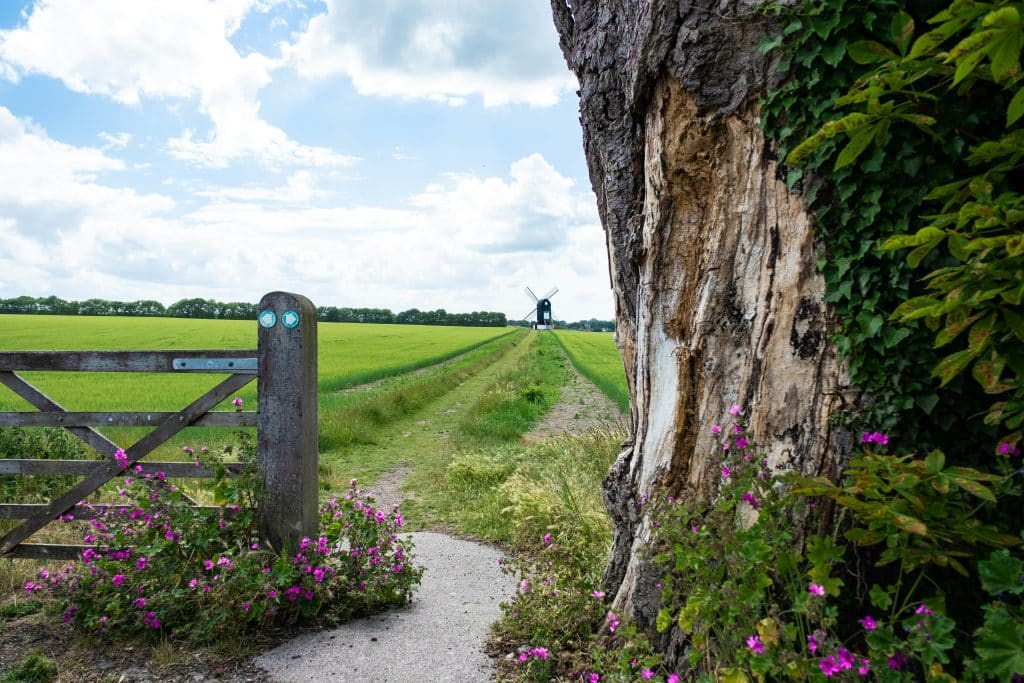
Bien que la qualification Lowland Leader soit valable dans les paysages variés du Royaume-Uni, certaines régions se distinguent par leurs possibilités de formation. Chorley, dans le Lancashire, avec ses sentiers accessibles et sa riche histoire, offre un cadre pittoresque pour les formations et les évaluations. Parmi les autres lieux populaires figurent la New Forest, les Norfolk Broads et les douces collines des Cotswolds, qui offrent chacun des paysages uniques, idéaux pour la randonnée en plaine.
Évaluation, critères et déroulement
La phase d’évaluation vérifie la capacité du candidat à mettre ses connaissances en pratique. Elle comprend la planification et l’encadrement de randonnées, la démonstration d’une gestion efficace du groupe et la mise en avant de solides compétences en navigation. Pour réussir, les candidats doivent démontrer une compréhension complète du programme et prouver qu’ils peuvent encadrer des groupes en toute sécurité dans les zones de plaine.
Présentation de l’organisme certificateur
Mountain Training UK supervise la qualification Lowland Leader et fixe des normes élevées pour la formation et l’évaluation. En tant qu’autorité reconnue dans le domaine des qualifications d’encadrement en plein air, Mountain Training veille à ce que chaque candidat bénéficie des conseils nécessaires pour devenir un excellent encadrant.
Lancez-vous dans l’aventure
Pour celles et ceux qui sont attirés par la beauté naturelle des zones de plaine du Royaume-Uni et souhaitent partager cette passion avec d’autres, la qualification Lowland Leader offre une base solide. Elle vous permet non seulement d’acquérir les compétences essentielles en encadrement de plein air, mais aussi d’ouvrir la porte à de nombreuses occasions d’inspirer les autres à explorer et à apprécier la nature. Que vous suiviez les sentiers paisibles de Chorley ou les vastes paysages des Norfolk Broads, le parcours pour devenir Lowland Leader est une aventure en soi.