
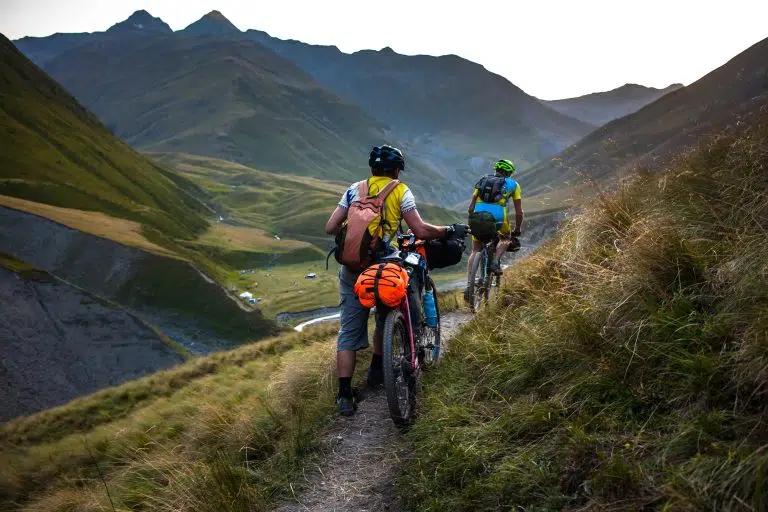
How to Prep for a Multi-Day Cycling Adventure
Going on a multi-day cycling adventure is one of the most fulfilling ways to explore new places. Whether you’re cruising along coastal roads, winding through mountain passes, or rolling through scenic countryside, a multi-day cycling trip requires careful planning, the right gear, and a good balance of physical preparation and mental endurance. In this blog, we’ll cover essential tips and must-have gear to ensure your adventure is both safe and enjoyable.
Plan Your Route and Mileage Carefully
The first step to a successful multi-day cycling adventure is to plan your route based on your fitness level, experience, and interests. Choose routes that align with your stamina and terrain preferences, whether it’s flat roads, hilly areas, or a mix of both.
Make sure to account for daily mileage and rest breaks. For beginners, a manageable range is typically 30-50 miles per day, while more experienced cyclists may aim for 60-100 miles.
Use maps, GPS tools, or cycling apps to chart your course, and research any campsites, hotels, or other places to stay overnight along the way. It’s also a good idea to make note of places that you can eat at and any bike repair shops in case you need some assistance.
Build Endurance and Train in Advance
Multi-day cycling trips can be physically demanding, so building up your stamina and endurance beforehand is crucial. Start training for a multi-day ride a few weeks before your trip by gradually increasing the length and intensity of your rides.
Aim to include a mix of shorter, high-intensity rides and longer, slower rides to mimic the variety of your multi-day adventure. If your route includes hills, practice climbing and descending to get comfortable with the terrain.
Strength training exercises like squats, lunges, and core work can also help improve your endurance and balance on the bike. The more you train, the better you’ll handle long days on your bike.
Pack Light, But Smart
One of the key challenges in multi-day cycling is packing efficiently. You want to travel light, but you’ll also need the right gear to ensure your comfort and safety. Stick to the essentials and avoid overpacking, especially when you’ll be carrying everything on your bike.
Some essentials include:
- Clothing: Pack moisture-wicking cycling clothes, a waterproof jacket, and extra layers for cooler weather. Don’t forget cycling gloves, sunglasses, and a helmet.
- Spare tubes, tire levers, and a multi-tool: A flat tire or minor mechanical issue is bound to happen, so come prepared with basic tools to fix your bike on the go.
- Bike lights and reflective gear: For early morning or late evening rides, lights and reflective clothing are a must to ensure visibility.
- Snacks and water: Bring energy-boosting snacks like granola bars, nuts, or energy gels, and carry plenty of water with you.
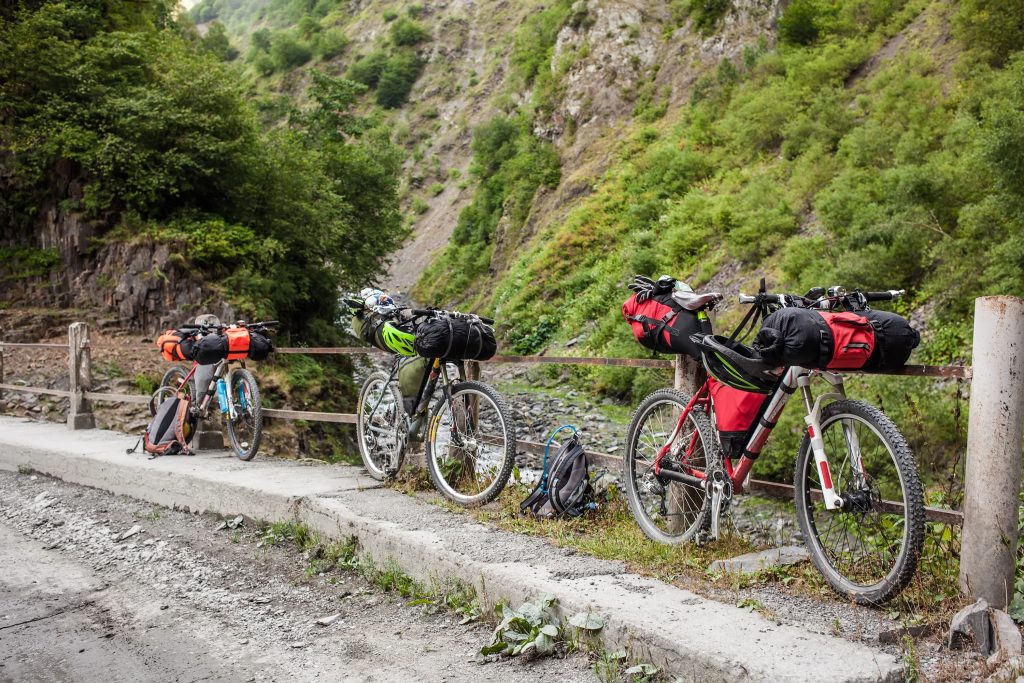
You can store most of your gear in panniers or bikepacking bags, but be mindful of how weight distribution affects your bike’s balance.
Prioritize Comfort in the Saddle
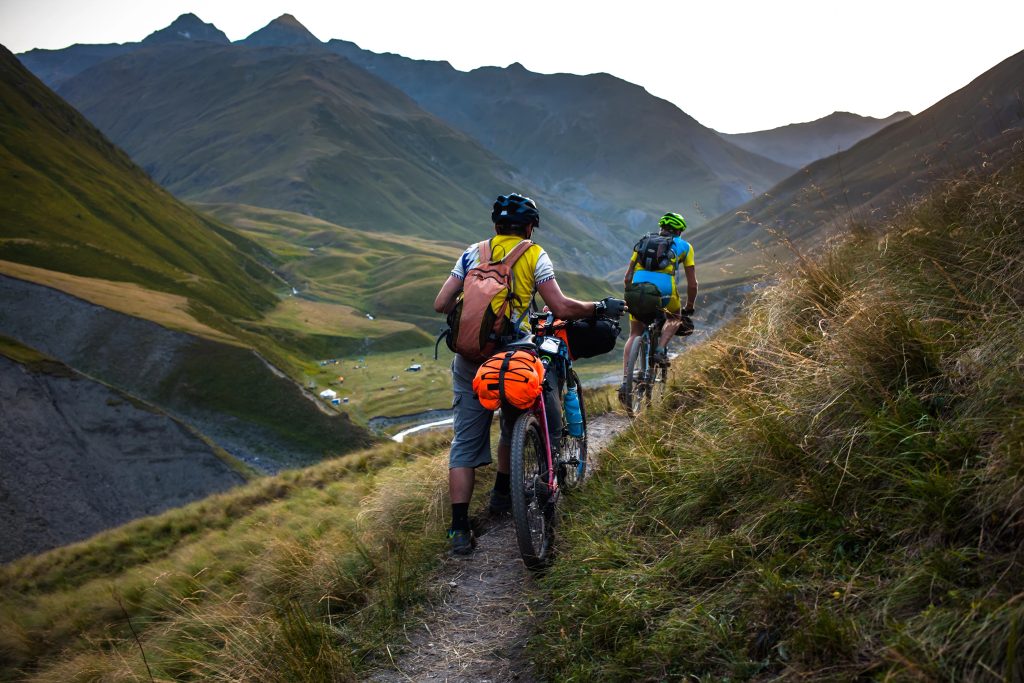
When cycling for multiple days in a row, comfort is key. A well-fitted bike saddle, padded cycling shorts, and good bike posture can prevent discomfort or injury. If you haven’t already, get your bike fitted at a local bike shop to ensure your saddle height, handlebar position, and frame size are optimal for your body.
Breaks are important too—aim to take short breaks every hour to stretch your legs, hydrate, and adjust your gear if needed. Even a quick 5-minute rest can make a big difference over the course of the day.
Prepare for Weather Changes
Weather conditions can be unpredictable, especially on longer trips where you’ll encounter different climates or regions. Always check the forecast before you head out, but pack for a range of possibilities.
A lightweight, packable rain jacket is essential in case of sudden rain showers, and extra layers for cold mornings or evenings are a must. If you’re riding in hot weather, sunscreen, a hat, and UV-protective clothing are just as important.
It’s also a good idea to have a plan in case of severe weather. Know where you can take shelter or adjust your route if necessary to avoid dangerous conditions.
Fuel Your Body Right
Cycling long distances requires plenty of fuel, so make sure you’re eating and drinking enough throughout the day. Start with a balanced breakfast to give you sustained energy, and snack regularly while riding to keep your blood sugar levels steady.
Carry portable, high-energy foods like trail mix, dried fruit, or energy bars, and make sure to drink water consistently—about one bottle per hour is a good rule of thumb. Electrolyte tablets or sports drinks can also help replenish the salts and minerals you lose through sweat, especially on hot days.
For meals, take advantage of local cafes or restaurants if your route passes through towns, or bring along lightweight camping stoves if you’re going the self-sufficient route and need to prepare your own food.
Sleep Well to Recover
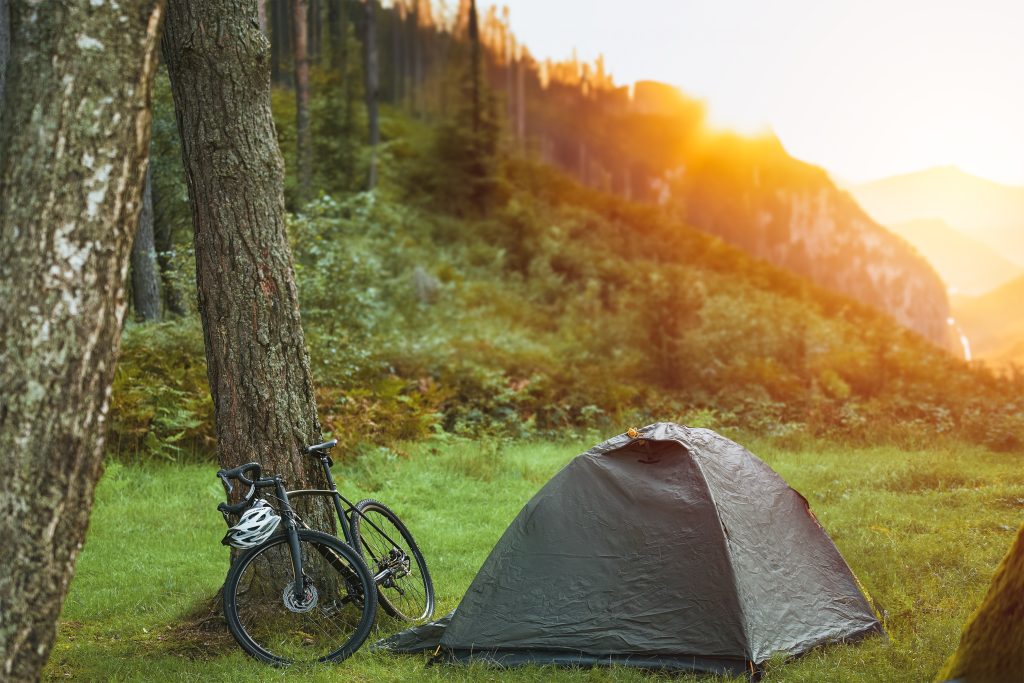
Good sleep is crucial for recovering between long days of cycling. If you’re camping, invest in lightweight camping gear such as a compact tent, sleeping bag, and sleeping pad to ensure a comfortable night’s rest. Some bikepacking trips can involve staying in hostels or hotels, which offer the comfort of a bed and shower—helpful for easing sore muscles.
Rest days can also be valuable on longer trips to give your body a chance to recover. Plan your route to include some leisure time, especially if you’re cycling in a particularly scenic area.
Make Sure Your Bike Is Road-Ready
Before setting off, make sure your bike is in excellent working condition. Take it to a bike shop for a tune-up if needed—check the brakes, tire pressure, gears, and chain to avoid breakdowns on the road. Keep your bike clean and well-lubricated during your trip, and check the tire pressure regularly to prevent flats.
If you’re traveling in remote areas, consider bringing a small bike pump and patches for emergency repairs. Knowing how to fix a flat tire and perform basic bike maintenance can save you from being stranded mid-adventure.
Learn Basic Navigation Skills
For multi-day trips, it’s essential to have a good sense of direction and basic navigation skills. While GPS apps and devices are incredibly useful, always bring a physical map as a backup in case of technology failure or loss of signal.
Familiarize yourself with your route before starting, and take note of any detours or tricky areas that could be difficult to navigate. You should also be comfortable with reading signs, especially if you’re cycling in areas where language barriers might exist.
Enjoy the Journey
Finally, remember that multi-day cycling is about more than just reaching your destination—it’s about enjoying the journey. Take in the sights, meet new people, and allow yourself time to explore the areas you’re riding through. Don’t rush the experience! Multi-day cycling adventures are a chance to disconnect from your usual routine and fully immerse yourself in the beauty of the open road.
By planning ahead, packing the right gear, and preparing physically and mentally, you’ll set yourself up for a rewarding cycling experience. If you want some ideas on where to go for your biking adventure, check out what we offer here on adventuro.