
Des aventures en famille sur roues : initier les enfants au vélo
Le vélo est un excellent moyen pour les familles de passer du temps de qualité en plein air. Dans ce guide, nous verrons pourquoi le vélo est fantastique pour les enfants, comment choisir le vélo et l’équipement adaptés, les meilleurs conseils pour apprendre à vos enfants à faire du vélo, ainsi que des aventures cyclistes palpitantes au Royaume-Uni pour les jeunes pratiquants.
Le vélo et le développement global des enfants
Bienfaits pour la santé
Le NHS recommande aux enfants âgés de 5 à 18 ans de pratiquer au moins 60 minutes d’activité physique d’intensité modérée à soutenue chaque jour [1]. Le vélo est un moyen idéal d’atteindre cet objectif. Des études montrent que les enfants qui font régulièrement du vélo ont une meilleure santé cardiovasculaire, des muscles plus forts et une coordination améliorée [2].
Bienfaits cognitifs et développementaux
Le vélo joue un rôle essentiel dans le développement cognitif. La Dre Amanda Gummer, spécialiste renommée du développement de l’enfant, souligne que “le vélo renforce la résilience, car les enfants apprennent à garder leur équilibre, à contrôler leur vélo et à améliorer leur coordination” [3].Une étude publiée dans le Journal of Physical Activity and Health indique que le vélo aide les enfants à développer leur perception spatiale, à améliorer leurs capacités de résolution de problèmes et à gagner en flexibilité cognitive [4].
Indépendance et responsabilité
Le vélo favorise l’indépendance, car les enfants apprennent à entretenir leur vélo, à planifier leurs itinéraires et à adopter des habitudes de conduite sûres. Ce sens des responsabilités renforce la confiance en soi tout en développant des compétences essentielles pour la vie.
Bienfaits sociaux
Le vélo aide les enfants à développer leur esprit d’équipe, leurs capacités de communication et leur leadership. Bikeability, le programme national britannique de formation au vélo, renforce la confiance et la sécurité des enfants dès l’âge de quatre ans, mettant en évidence le potentiel du vélo pour le développement dès le plus jeune âge [5].
Choisir le vélo et l’équipement adaptés à votre enfant
Choisir le vélo et l’équipement de sécurité adaptés est essentiel pour garantir une expérience cycliste agréable et sans encombre.
Recommandations de vélos selon l’âge :
| Tranche d’âge | Type de vélo | Principaux avantages |
| 2-4 | Vélos d’équilibre | Développent l’équilibre et la coordination sans pédales |
| 4-6 | Vélos avec stabilisateurs | Renforcent la confiance pendant l’apprentissage du pédalage |
| 6-9 | VTT pour débutants | Des vitesses faciles à utiliser pour des sorties plus aventureuses |
Conseils pratiques pour choisir un vélo :
Guide des tailles de cadre : Faites correspondre la taille du cadre du vélo à la taille de votre enfant. Par exemple, un cadre de 12-14″ convient aux jeunes cyclistes mesurant moins de 100 cm.
Mesure de l’entrejambe : Mesurez l’entrejambe de votre enfant et choisissez un vélo qui permet de garder le genou légèrement fléchi une fois assis.
Réglez le vélo pour plus de confort : Veillez à régler la selle afin que les pieds de votre enfant puissent toucher légèrement le sol. Le guidon doit être à une hauteur confortable et les freins faciles à saisir pour de petites mains.
Faut-il acheter à votre enfant un vélo dans lequel il pourra « grandir » ?
Il peut être tentant de choisir un vélo légèrement plus grand dans l’espoir que votre enfant grandisse avec lui et l’utilise plus longtemps, mais cela peut entraîner des problèmes de confort, de contrôle et de confiance ; mieux vaut donc bien réfléchir à ce choix.
Pourquoi plus grand n’est pas forcément mieux :
Une mauvaise taille nuit à la confiance : Un enfant qui a du mal à atteindre le sol ou à contrôler le guidon se sentira moins en sécurité sur son vélo.
Risque accru d’accidents : Les vélos surdimensionnés peuvent être plus difficiles à manœuvrer et à arrêter, surtout pour les enfants plus jeunes ou moins expérimentés.
Progression plus lente : Apprendre à faire du vélo est beaucoup plus facile lorsque le vélo est parfaitement adapté. Un vélo mal adapté peut retarder le développement des compétences.
Si vous devez choisir une taille supérieure :
Abaissez la selle : Assurez-vous que votre enfant peut toujours poser les pieds au sol en gardant le genou légèrement fléchi.
Réglez le guidon : Rapprochez-le et abaissez-le si possible afin que votre enfant n’ait pas à trop s’étirer.
Optez pour un poids facile à maîtriser : Les vélos plus grands pèsent souvent davantage. Choisissez un modèle léger pour faciliter la maniabilité.
Reportez les équipements complexes : Évitez d’ajouter des vitesses ou une suspension avant que votre enfant ne soit prêt ; privilégiez la simplicité pour conserver le contrôle.
Les équipements de sécurité essentiels
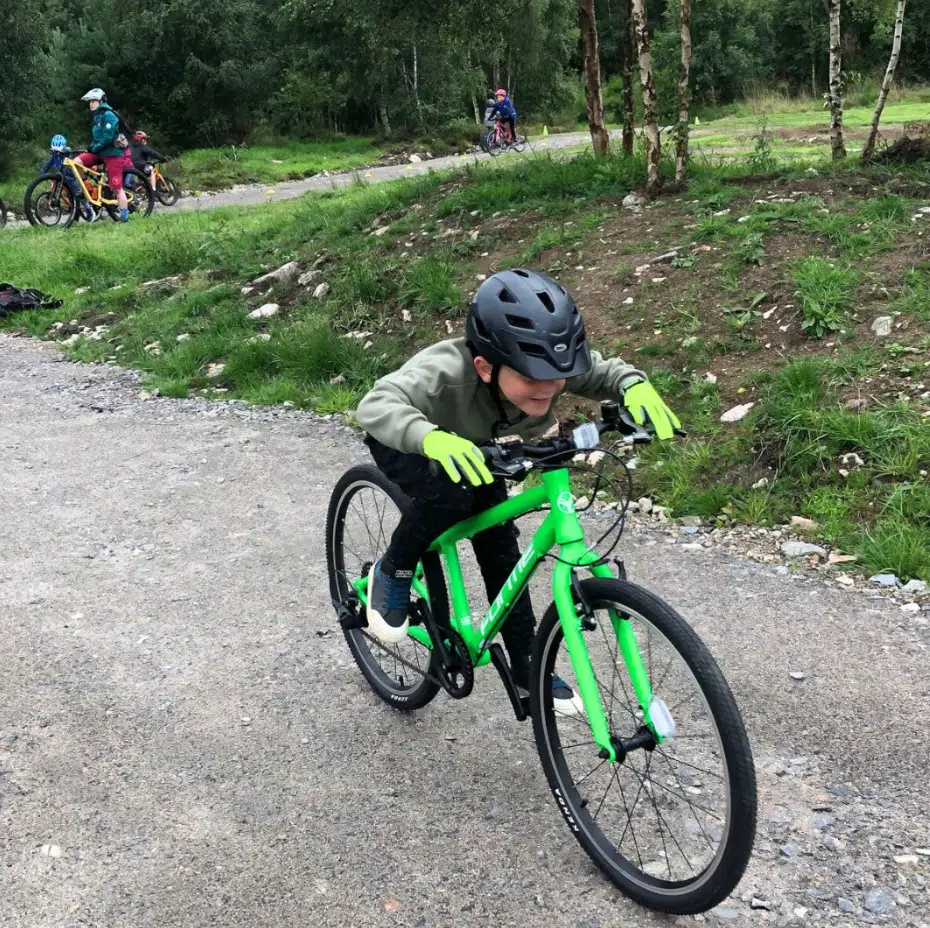
☐ Casque : Assurez-vous qu’il respecte les normes de sécurité britanniques (recherchez la certification CE EN 1078).
☐ Gants : Ils offrent une bonne prise et protègent les mains des éraflures.☐ Équipement réfléchissant et éclairage : Essentiels pour être visible pendant les journées hivernales grises au Royaume-Uni.
☐ Équipement réfléchissant et éclairage : Essentiels pour être visible pendant les journées hivernales grises au Royaume-Uni.
Remarque : Veillez à ce que les casques soient correctement ajustés et équipez les vélos de réflecteurs avant et arrière, ainsi que d’une sonnette en état de marche, pour rouler en toute sécurité.
Comment initier les enfants au vélo
Commencer avec la bonne approche et la bonne technique peut transformer le vélo, d’activité intimidante en expérience enthousiasmante.
La bonne approche
Intégrez des jeux, comme des parcours d’obstacles, des chasses au trésor à vélo ou des courses jusqu’à des points désignés. Cela rend l’apprentissage amusant et permet d’acquérir des compétences essentielles. Utilisez le renforcement positif en célébrant chaque étape, comme leur première sortie sur un vélo d’équilibre ou leur premier virage réussi sans stabilisateurs. Les encouragements positifs maintiennent la motivation des enfants.
Enseigner la technique
Étape par étape : apprendre à votre enfant à faire du vélo
Aider votre enfant à apprendre à faire du vélo est une étape importante. Voici les principales étapes pour accompagner son développement en toute sécurité et renforcer sa confiance.
Étape 1 : maîtriser l’équilibre
Commencez avec un vélo d’équilibre ou retirez les pédales d’un vélo classique.
S’entraîner à avancer en poussant : Encouragez votre enfant à pousser avec les pieds et à se laisser glisser. Invitez-le à décoller les deux pieds du sol pendant des périodes de plus en plus longues.
Créer un parcours d’équilibre : Utilisez de la craie, des cônes ou des jouets pour délimiter un parcours simple avec de légers virages. Faites l’exercice sur un sol plat et lisse, dans votre jardin, un parc ou un parking calme.
Signes de progression : Votre enfant doit pouvoir se laisser glisser en ligne droite pendant plusieurs secondes et changer de direction en inclinant le corps et en manœuvrant le guidon.
Étape 2 : commencer à pédaler
Une fois que votre enfant maîtrise bien son équilibre, il est temps d’ajouter les pédales (ou de passer à un vélo à pédales).
Soutien initial : Tenez-le légèrement sous les aisselles ou à l’arrière de la selle, mais évitez le guidon afin de le laisser diriger seul.
Poussées sur les pédales : Demandez-lui de commencer avec un pied sur une pédale relevée, puis de pousser pour prendre de l’élan. L’autre pied doit trouver naturellement la deuxième pédale.
Relâcher progressivement : Commencez par soutenir son équilibre, puis réduisez votre prise à mesure qu’il devient plus stable. Évitez de le tenir en courant sur de longues distances : de courtes aides sont plus efficaces.
S’exercer à démarrer et à s’arrêter : Répétez le départ jusqu’à ce qu’il puisse se lancer et parcourir seul de courtes distances.
Étape 3 : tourner et freiner avec contrôle
Une fois le pédalage de base acquis, il est temps d’enseigner le contrôle du vélo.
Exercices de virage : Installez un slalom ou un parcours en huit avec des cônes ou des repères naturels. Encouragez votre enfant à regarder devant lui et à tourner en douceur.
Exercices de freinage : Utilisez de petits carrés tracés à la craie ou des cônes pour délimiter des « zones d’arrêt ». Demandez-lui de se laisser rouler jusqu’à la zone et de freiner doucement pour s’y arrêter.
Développer les automatismes : Répétez régulièrement les jeux d’arrêt et de virage. Récompensez les efforts et les progrès plutôt que la perfection.
Les activités cyclistes selon les saisons
Rouler par temps humide : Équipez les vélos de garde-boue et investissez dans des vêtements et des gants imperméables pour plus de chaleur.
Sécurité à vélo en hiver : Encouragez le port de vêtements voyants et réfléchissants pour être visible, et évitez les chemins verglacés. Choisissez des sentiers bien entretenus pour réduire les risques.
Par où commencer ?
Transformer les premiers coups de pédale hésitants de votre enfant en passion durable pour le vélo est une aventure passionnante. Maintenant que vous connaissez les bases pour initier vos enfants au vélo, il est temps de renforcer leur confiance et de faire du cyclisme une aventure dont ils auront envie.
Les parcs à vélos : votre terrain d’entraînement
Les parcs à vélos sont la salle de classe idéale pour les jeunes cyclistes. Ces espaces spécialement conçus offrent un environnement bienveillant où les enfants peuvent développer leurs compétences cyclistes en toute confiance. Des chemins sûrs, sans voitures, offrent un terrain régulier qui permet aux enfants de s’entraîner progressivement à l’équilibre, au pilotage et au contrôle du vélo. En parcourant ces espaces dédiés, les enfants acquièrent non seulement des compétences techniques, mais aussi l’assurance que procure la maîtrise d’un nouveau défi.
Festivals cyclistes en famille : transformer l’apprentissage en fête
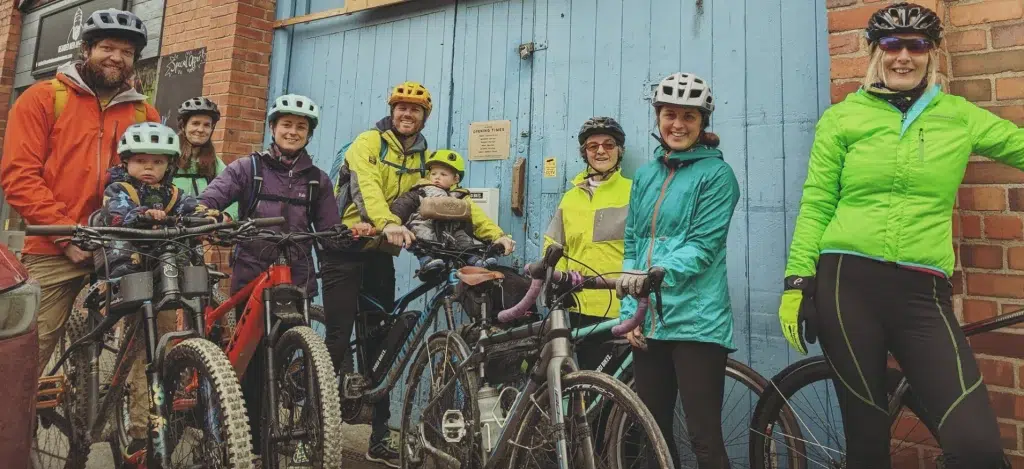
Les festivals cyclistes en famille peuvent faire naître une passion durable pour le vélo et offrir une occasion de renforcer les liens familiaux. Ces rassemblements réunissent les familles autour du plaisir de rouler et proposent des sorties adaptées à différents niveaux, des défis amusants et des parcours d’obstacles interactifs. Les enfants peuvent rencontrer d’autres jeunes cyclistes, apprendre les bases de l’entretien d’un vélo et créer des souvenirs durables qui vont bien au-delà de l’expérience cycliste habituelle. Découvrez notamment : The Big Bike Reveal Festival.
Des idées de sports d’aventure pour garder les enfants motivés
Une fois que votre enfant est à l’aise sur son vélo, explorez des expériences cyclistes passionnantes adaptées aux jeunes pratiquants. L’essentiel est de proposer régulièrement de nouvelles façons palpitantes de faire du vélo, afin de maintenir leur enthousiasme.
Aventures en VTT pour les enfants
Le VTT ouvre un tout nouveau monde d’aventures cyclistes passionnantes pour les jeunes pratiquants. En apprenant à lire l’état des sentiers, à manier leur vélo sur des terrains variés et à franchir des obstacles naturels, les enfants développent leur confiance, leurs capacités à résoudre les problèmes et leur lien avec la nature.
Location de VTT, vélos électriques et vélos gravel dans le parc national de la New Forest : Explorez le parc national de la New Forest grâce à des vélos de location polyvalents. Choisissez parmi des VTT, des vélos électriques et des vélos gravel parfaitement adaptés aux aventures en famille et aux terrains variés.
Aventures en VTT pour les enfants : Des expériences guidées en VTT qui transforment le vélo en une aventure d’apprentissage passionnante. Les enfants développent leurs compétences sur les sentiers, leur confiance et leur goût de l’exploration en plein air dans un environnement sûr et bienveillant.
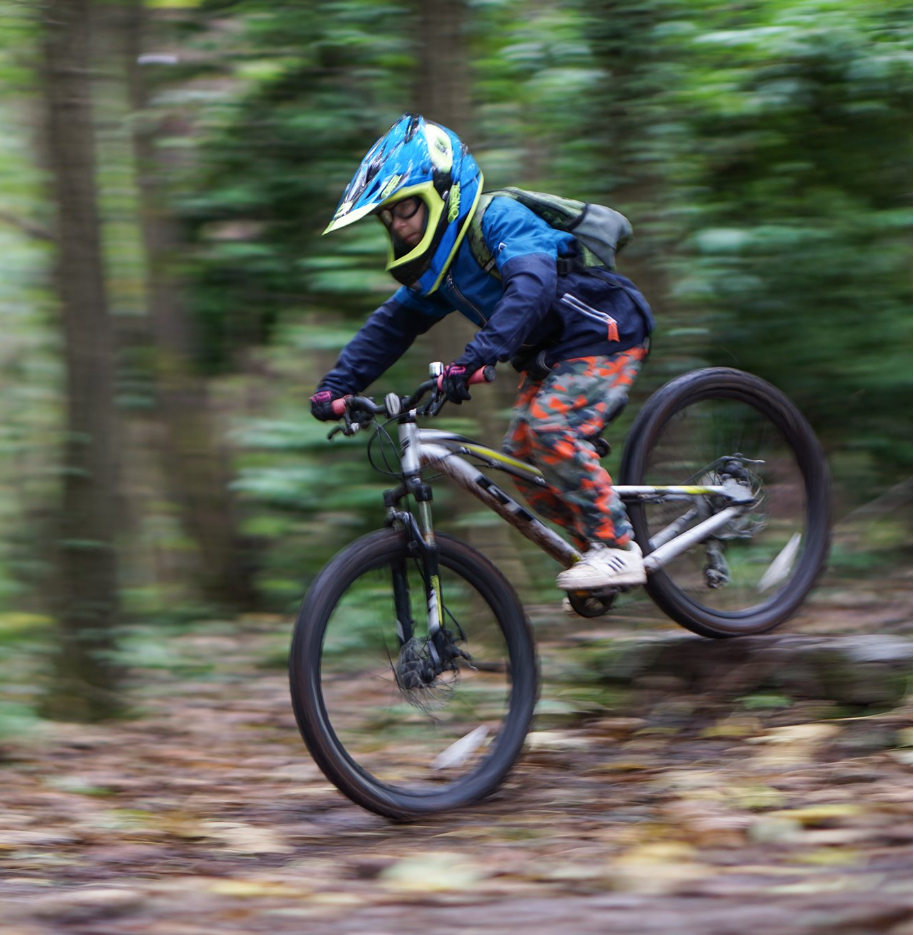
Séances de VTT après l’école pour les enfants à Dess, Aboyne : Des séances de VTT dynamiques après l’école qui associent plaisir, forme physique et développement des compétences. Des moniteurs professionnels proposent des expériences stimulantes aux enfants qui souhaitent découvrir le vélo.
Séance de VTT en famille : Réunissez toute la famille pour vivre des expériences mémorables en VTT. Apprenez, partagez et créez ensemble des souvenirs durables en explorant les sentiers et en développant vos compétences cyclistes.
En rendant le vélo amusant, varié et convivial, vous aiderez vos enfants à développer une passion pour le cyclisme, bénéfique pour leur santé, leur confiance et leur goût de l’aventure.
Surmonter les difficultés courantes
Il est naturel que les enfants rencontrent certaines difficultés lorsqu’ils apprennent à faire du vélo. Voici comment y remédier :
Gérer les peurs et l’anxiété : Commencez par de petites sorties tranquilles et laissez votre enfant progresser à son propre rythme. Encouragez l’entraînement dans des espaces calmes et dégagés avant de passer à des itinéraires plus fréquentés.
Gérer le manque d’intérêt : Rendez le vélo convivial en organisant des sorties en groupe ou en invitant des amis. Organisez des sorties à thème (par exemple, un « safari à vélo ») ou mettez en place un système de récompenses pour les étapes franchies.
Répondre aux préoccupations liées à la sécurité : Enseignez tôt les règles de sécurité routière en utilisant les ressources de Bikeability. Suivez les conseils « Look, Signal, Manoeuvre » de British Cycling pour rouler en toute sécurité.
Ressources utiles pour les familles au Royaume-Uni
Sustrans : propose des cartes et des ressources pour des itinéraires cyclables sûrs et adaptés aux familles.
Revendeurs britanniques de confiance pour l’équipement cycliste : Evans Cycles, Decathlon et Halfords pour les essentiels cyclistes de qualité.
Applications recommandées : Strava, Komoot et CycleStreets pour les itinéraires cyclables en famille.
Initier les enfants au vélo est une aventure gratifiante, riche en découvertes, en émotions et en souvenirs précieux. Même si les bienfaits du vélo sont innombrables, deux des plus importants sont l’amélioration de la condition physique et de la confiance en soi. Commencez modestement en explorant les sentiers locaux, en investissant dans l’équipement adapté et en encourageant le plaisir à chaque étape.
Alors, dépoussiérez votre vélo, réunissez votre famille et réservez dès aujourd’hui une aventure à deux roues !
Références
- Service national de santé (NHS). (2021). Recommandations d’activité physique pour les enfants et les jeunes. Ministère de la Santé et des Affaires sociales.
- Ekelund, U., et al. (2016). Activité physique et mortalité toutes causes confondues selon les niveaux d’obésité générale. Revue internationale de l'obésité pédiatrique.
- Gummer, A. (2019). Le rôle du jeu dans le développement de l’enfant. Routledge Press.
- Van der Niet, A. G., et al. (2015). Intensité de l’activité physique, capacités et motivation chez les enfants présentant un trouble développemental de la coordination. Journal de l'activité physique et de la santé.
- Bikeability Trust. (2022). Rapport annuel : programme national de formation au vélo.