
Debunking Skydiving Myths: You Might be Surprised
Skydiving is one of the most thrilling activities out there, but there are a lot of misconceptions that stop people from trying it. Whether you’ve been contemplating jumping out of a plane or if you’re just curious about the sport, this blog post will clear up some of the most popular skydiving myths. You might be surprised at what’s actually true!
Myth #1: Skydiving is a dangerous sport with many risks
When people think of skydiving, they might imagine disaster just waiting to happen. It’s natural to assume something that involves jumping out of a plane comes with some serious risks, but the reality is that skydiving is way safer than you might think.
The Truth: Skydiving is statistically very safe
While skydiving does have risk, the odds of something going wrong are pretty slim. The U.S. Parachute Association (USPA) reported in 2023 that the skydiving fatality rate is 0.27 per 100,000 jumps. That is much safer than many other activities we don’t even think twice about, like driving a car or riding a motorcycle. A single skydive jump is about as risky as driving 63 miles in a car (statistically speaking) or only 1.5 miles on a motorbike in the UK!
Modern parachute technology, rigorous safety protocols, and highly trained instructors make skydiving a controlled and carefully managed activity. So, while the idea of stepping out of a plane 10,000+ feet up sounds risky, it’s probably a lot safer than your daily commute!
Myth #2: Your parachute might not open
This is one of the most common skydiving fears people have. The thought of jumping out of a plane and having your parachute fail to open can send chills down anyone’s spine. But this fear doesn’t really hold up when you look at the facts.
The Truth: Parachute malfunctions are extremely rare, and there are backup systems in place
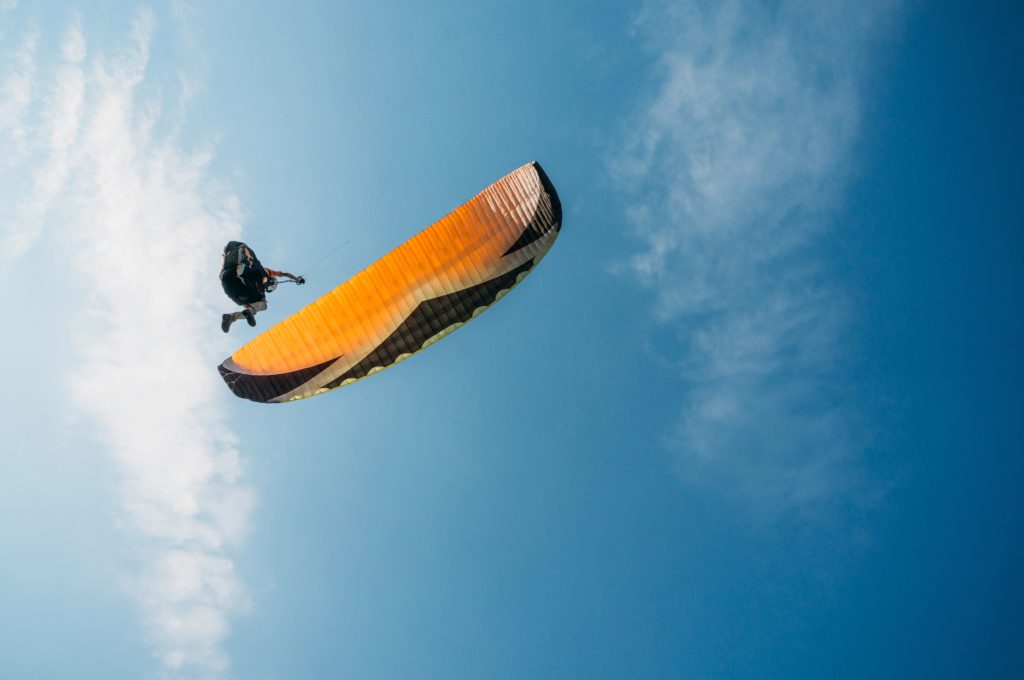
Modern parachutes are packed and designed in a way that makes malfunction very unlikely. Every skydiver jumps with two parachutes— the main parachute and a reserve. In the unlikely event that the main parachute fails to open properly, the reserve parachute is there as backup. Reserves are also packed extraordinarily carefully only by instructors who have passed special training to do so meaning they are incredibly reliable.
Not only that, but skydiving gear is also equipped with an Automatic Activation Device (AAD). This device monitors your altitude and speed during the jump and automatically deploys the reserve parachute if necessary. So even if a skydiver were to lose consciousness or become incapacitated, the backup system kicks in.
Myth #3: You can’t breathe while freefalling
Some people are convinced that the rush of wind during freefall makes it impossible to breathe and that they’d end up freefalling while feeling like they’re suffocating. Please rest assured that this is not the case and your lungs will do just fine.
The Truth: You can breathe during freefall
While it’s true that the wind during freefall can feel intense, you can still breathe normally. Your body is more than capable of handling the speed and wind pressure, and your lungs will work just as they do on the ground. You will be be traveling 100-150 MPH so it is the same riding a motorcycle at this speed.
Myth #4: You’ll pass out from fear
With all that adrenaline pumping through the body, some people worry they’ll black out during freefall. It’s a common belief that jumping out of a plane will be too much for the body to handle so the body will shut down out of fear.
The Truth: Most people don’t pass out during a skydive
There will be nerves before you jump, but that’s completely normal. Once you leave the plane and enter freefall, the adrenaline takes over, and it’s more likely that you’ll be too exhilarated to pass out.
On top of that, instructors are trained to recognize if someone is getting too nervous or overwhelmed. They’ll help guide you through the experience and make sure you’re comfortable every step of the way, so no worries.
Myth #5: Skydiving is only for adrenaline junkies
Many people think skydiving is something only extreme thrill-seekers or daredevils do. If you’re not the type of person who enjoys living on the edge, skydiving might seem like it’s just not for you.
The Truth: Skydiving is for anyone looking for an adventure
Skydiving attracts people from all walks of life. You don’t need to be an adrenaline junkie to enjoy the experience. Plenty of first-timers are people who are just looking to step outside their comfort zone and try something new. Many people skydive to celebrate a special occasion, conquer a fear, or simply check something off their bucket list.
Myth #6: Skydiving is physically demanding
Another common myth is that you need to be in peak physical condition to skydive. People worry that they’re not fit enough or too old to handle the intensity of the jump.
The Truth: Skydiving isn’t as physically demanding as you think
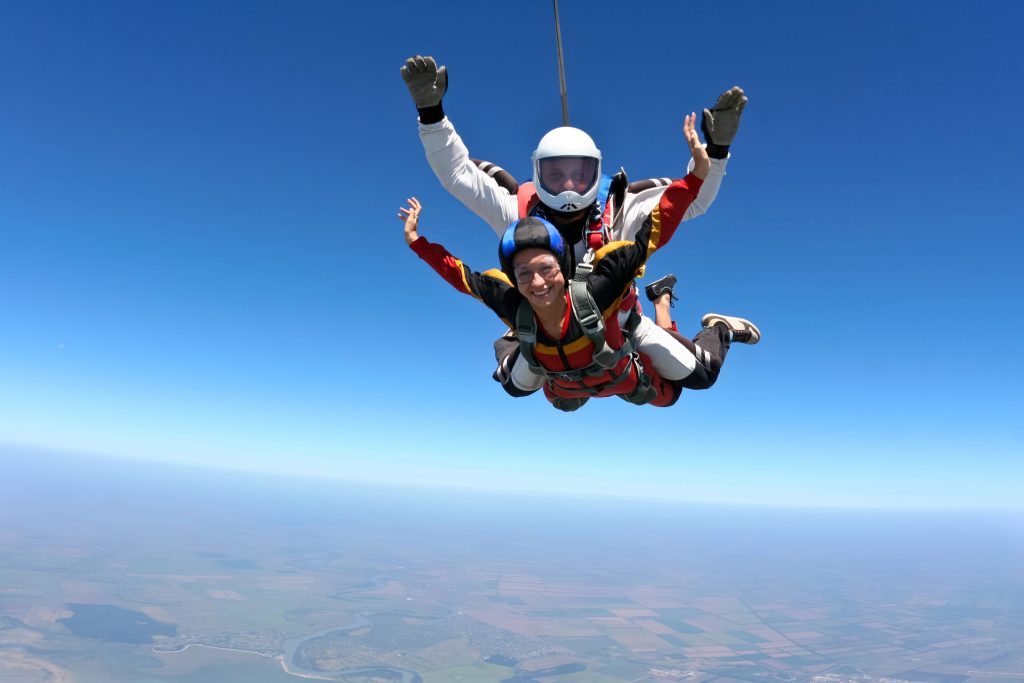
As long as you meet the basic physical requirements set by skydiving centers (usually related to weight and general health), you’re good to go. Tandem skydives, where you’re attached to a licensed instructor, don’t require much physical effort. Your instructor handles most of the work with guiding the parachute, controlling the freefall, and landing. All you have to do is follow their instructions and enjoy the ride.
If you are looking to learn to skydive independently then there is usually an upper age limit of around 55.
Myth #7: Skydiving is too expensive
Some people never look into skydiving because they assume it’s outrageously expensive. While it’s true that skydiving isn’t the cheapest activity out there, it’s often more affordable than people realize.
The Truth: Skydiving is more affordable than you think
And keep in mind that skydiving centers invest a lot into safety, equipment, and training. The price reflects the quality and care that goes into making sure you have a safe and unforgettable jump.
The cost of a tandem skydive ranges from 150-350 pounds, depending on your location and whether you want to include things like photos and videos. Sure, it’s not pocket change, but it’s a reasonable price for a once-in-a-lifetime experience.
Myth #8: You can skydive without any training
People often imagine that you can simply show up, hop on a plane, and jump without much preparation. After all, how hard could it be, right?
The Truth: Even for tandem jumps, there’s mandatory training
Even if you’re jumping tandem, you’ll still need to go through a short training session before you’re allowed to jump. This usually lasts about 20-30 minutes and covers essential things like safety protocols, how to position your body, and what to expect during the freefall and landing.
If you want to skydive solo, you’ll need much more extensive training, and it won’t be a one-and-done deal. You’ll have to complete a series of jumps under supervision before you can get licensed.
Myth #9: Skydiving is bad for your heart or health
Some people believe skydiving might be dangerous for their heart or health, especially if they have pre-existing conditions like high blood pressure.
The Truth: Skydiving is safe for most people in good general health
For the average person, skydiving poses no greater risk to the heart than other thrilling activities. Skydiving is more about mental courage than physical stress. However, skydiving centers do have basic health requirements. If you have specific health concerns, it’s always smart to consult with your doctor before booking a jump.
Myth #10: Once you jump, you’re in freefall until you land
A lot of people assume that once you jump out of the plane, you’re in freefall all the way to the ground, and the parachute is just there to slow you down at the last second.
The Truth: You’ll be under the parachute for a significant portion of the descent
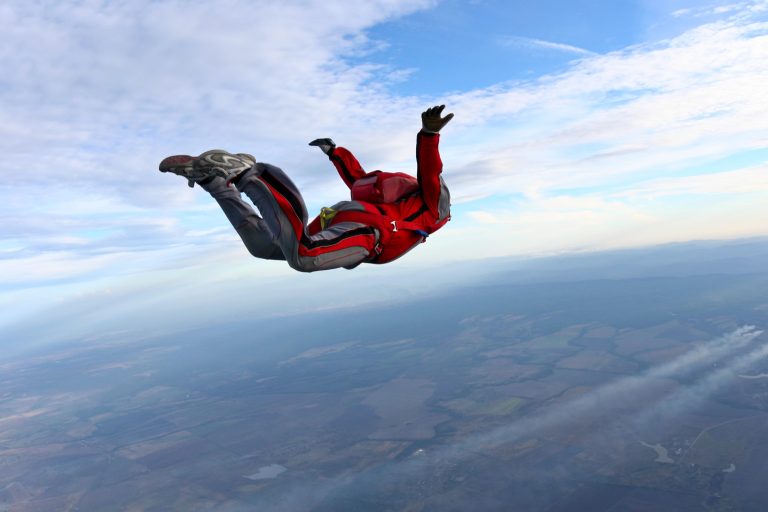
While freefall is a key part of the skydive, it only lasts for about 30-60 seconds, depending on the altitude you jump from. After that, the parachute is deployed, and you’ll spend the rest of the descent (around 5-7 minutes) gliding peacefully under the canopy. Once the parachute is out, the experience becomes much calmer, and you get to enjoy the views as you float down to the landing zone.
Ready to jump?
Skydiving comes with its fair share of myths and misconceptions, but now you’ve learned the truth. Whether it’s concerns about safety or the fear of passing out, the reality is that skydiving is a well-regulated and accessible experience for people from all walks of life. The beauty of skydiving is that it’s a personal challenge, so if you’re looking for a new experience, skydiving is worth considering!