
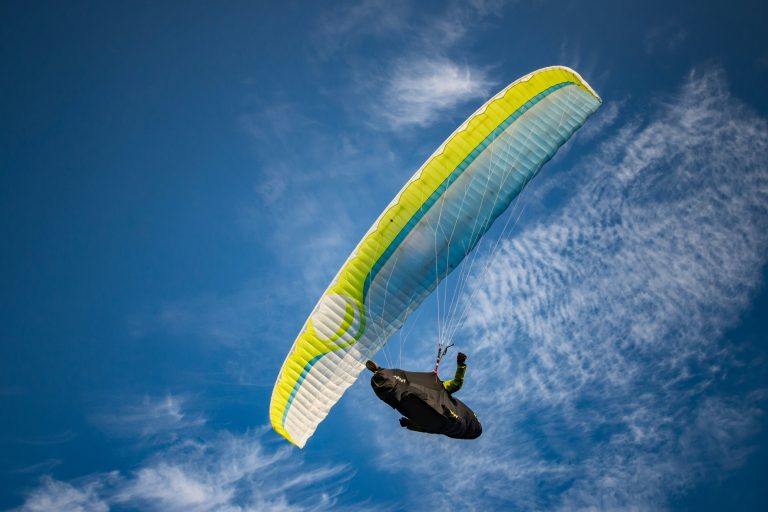
Best Paragliding Spots Near London for Soaring Adventures
Looking to escape the city and take to the skies? You don’t need to travel far from London to find some of the best paragliding spots in the UK. These locations offer stunning views, varying wind conditions, and a chance to soar for beginners and experienced pilots. Below are the top paragliding spots near London with tips on how to get there, wind conditions, insider advice and FAQs.
1. Dunstable Downs, Bedfordshire
Located in the Chiltern Hills, Dunstable Downs is one of the best paragliding spots near London, known for its steady thermals and excellent take-off areas. This makes it ideal for beginners looking to improve their skills. The London Gliding Club offers equipment rental and training for newcomers, making this an accessible choice for those just starting. In the summer months, winds are more predictable, and the scenic countryside views enhance the flying experience. With a wide-open landing area and plenty of parking facilities, it’s a convenient spot for a day trip.
Best for: Beginners and intermediates
Wind direction: Southwest
Distance from London: 1 hour by car
Public transport: Trains from London St Pancras to Luton, followed by a bus, uber or taxi
Best season: May to September for more stable winds and warmer temperatures.
Regulations: No flying over private farmland next to the site.
Pro Tip: The site has wide, open landing zones perfect for beginners. You can also join the London Gliding Club for guided training sessions.
2. Devil’s Dyke, Sussex
Devil’s Dyke is a favorite for both beginners and experienced paragliders. This location in the South Downs National Park offers panoramic views of the English Channel, with plenty of reliable thermals. Local schools provide lessons, and the South Downs Hang Gliding and Paragliding Club often organizes events, making it a popular spot for flyers.
Best for: All skill levels
Wind direction: South to southwest
Distance from London: 1 hour 30 minutes by car, or by train from London Victoria to Brighton, followed by a bus
Best season: Spring to late summer, when winds are most consistent.
Regulations: Follow local flying guidelines; the South Downs Hang Gliding and Paragliding Club oversees activities.
Pro Tip: The consistent winds make it one of the most reliable spots for paragliding in the UK, especially during summer.
3. Surrey Hills, Surrey
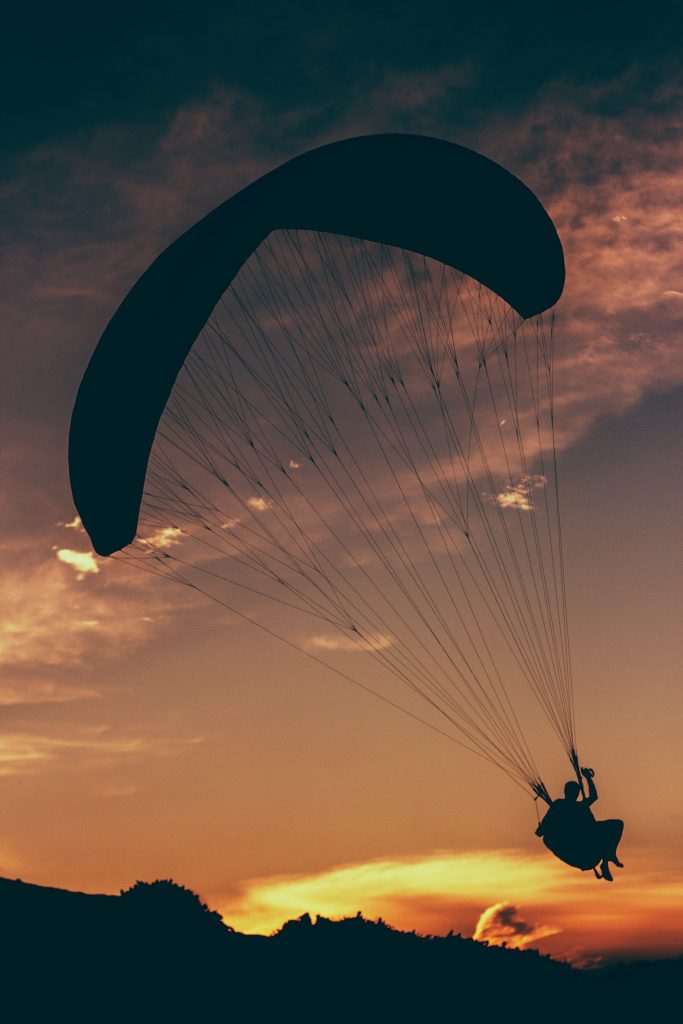
Surrey Hills, a designated Area of Outstanding Natural Beauty, offers several paragliding sites, including Box Hill and Colley Hill. These spots provide gentle thermals and stunning views over the North Downs, making them ideal for a relaxing flight. The area is well-connected by public transport, making it a great spot for Londoners without a car.
Best for: Beginners to intermediates
Wind direction: East to west
Distance from London: 1 hour by car
Public transport: Trains from London Waterloo to Dorking, followed by a short bus ride
Best season: Spring and summer offer more stable winds.
Pro Tip: Multiple take-off points make it flexible depending on wind direction.
4. Combe Gibbet, Berkshire
Combe Gibbet, located on the border of Berkshire and Hampshire, offers excellent ridge soaring conditions. Its strong thermals and ridge lift provide exciting flying opportunities for more experienced pilots. The open terrain and spectacular countryside views make this site a top choice for intermediate to advanced paragliders.
Best for: Intermediate and advanced pilots
Wind direction: North to northwest
Distance from London: 1 hour 30 minutes by car
Best season: Spring and summer
Pro Tip: The strong ridge lift here makes it ideal for those looking to improve their soaring skills and enjoy longer flights.
5. Butser Hill, Hampshire
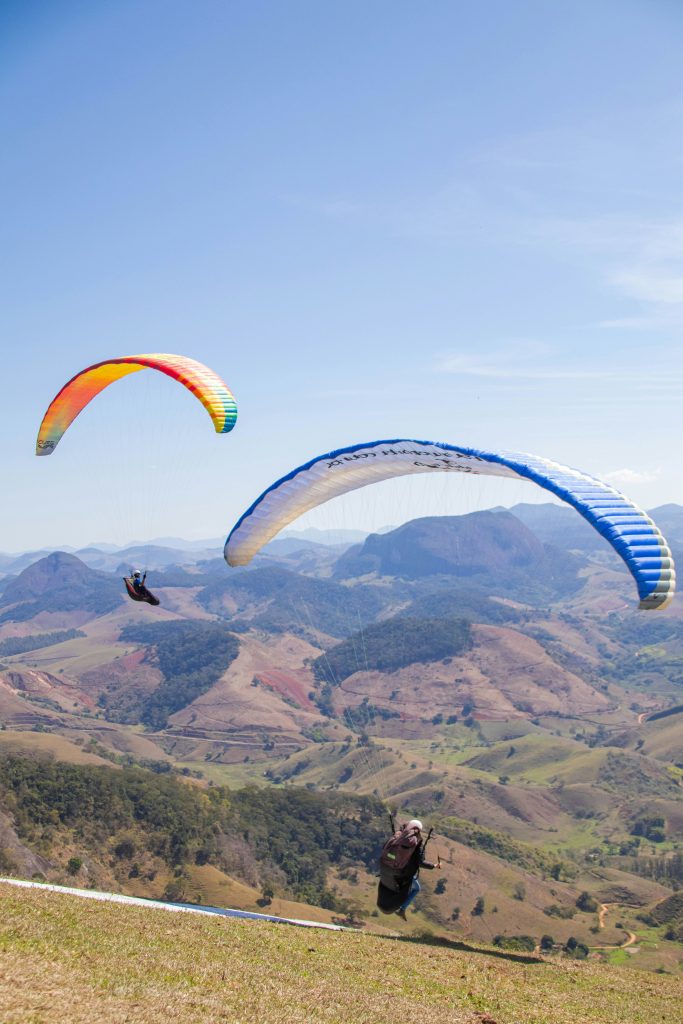
Butser Hill, the highest point on the South Downs, offers smooth take-offs and landings thanks to its open grasslands. The site is suitable for all levels, and its strong thermals make it a popular spot for longer flights. It’s also known for its scenic views, with easy access to nearby walking trails and other activities.
Best for: All skill levels
Wind direction: South and west
Distance from London: 1 hour 30 minutes by car
Best season: Spring and summer for optimal flying conditions.
Pro Tip: On clear days, you can spot the Isle of Wight from the air.
6. Bo Peep, East Sussex
Located near Alciston, Bo Peep is known for its steady winds and accessible launch sites. If you’re a beginner looking for smooth conditions or an experienced pilot seeking reliable thermals, this spot has something for everyone. The nearby South Downs National Park adds to the charm, with beautiful rolling hills and open skies.
Best for: Beginners to advanced
Wind direction: Southwest
Distance from London: 1 hour 45 minutes by car
Best season: Spring and summer for consistent winds.
Pro Tip: Reliable year-round winds make it a favorite among local paragliders.
7. Beachy Head, East Sussex
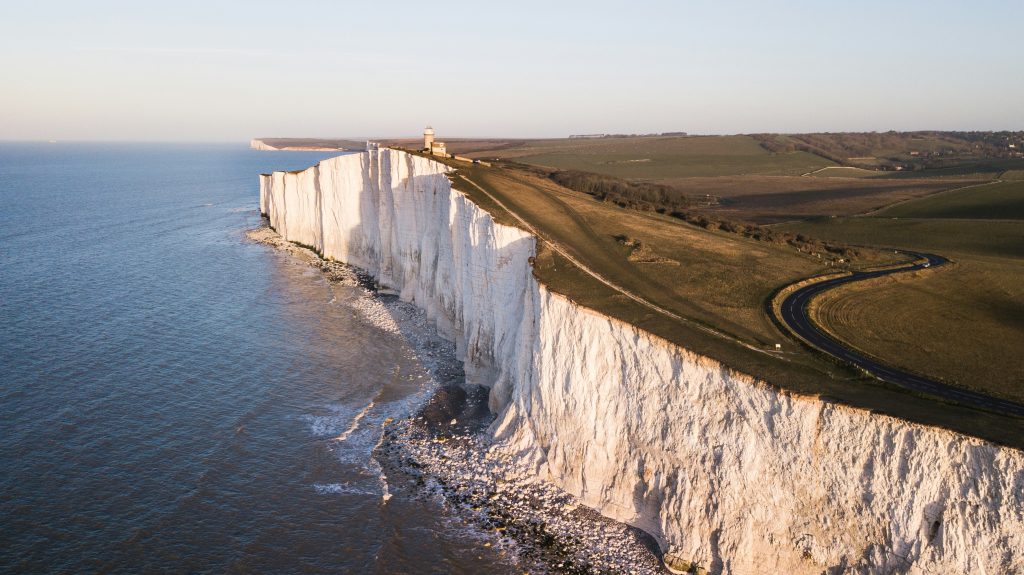
Beachy Head’s iconic white cliffs provide a dramatic setting for paragliding, but this site is only suitable for experienced pilots. The coastal winds can be strong, and there are significant drops, making it one of the more challenging locations in the UK. The views over the cliffs and the sea are spectacular, but caution is required due to the site’s complexity.
Best for: Advanced pilots
Wind direction: South
Distance from London: 1 hour 45 minutes by car
Best season: Late spring to summer, but conditions can be unpredictable.
Pro Tip: Only attempt this site if you’re experienced; the cliffs can create challenging wind patterns.
For more info on paragliding in Beachy Head check out these Courses:
- Tandem Paraglide Over South Downs or Beachy Head
- Double-Length Tandem Paragliding Flight
- Cross Country Tandem Paragliding Flight
8. Sharpenhoe Clappers, Bedfordshire
For those looking for a more peaceful paragliding experience, Sharpenhoe Clappers is a hidden gem. The site offers gentle thermals and is perfect for beginners practicing their flying skills. Its serene location and lack of crowds make it a top choice for a relaxing day in the air.
Best for: Beginners
Wind direction: Southwest
Distance from London: 1 hour 15 minutes by car
Best season: Spring and summer
Pro Tip: A quieter site, perfect for practicing basic techniques without the crowds.
9. Whitesheet Hill, Wiltshire
Whitesheet Hill is well-known for its cross-country flying opportunities, thanks to its strong thermals and open terrain. This site is perfect for intermediate to advanced pilots looking to extend their flights and practice advanced techniques. The surrounding countryside offers a quiet, peaceful environment, with wide-open landing areas.
Best for: Intermediate to advanced pilots
Wind direction: Southwest
Distance from London: 2 hours by car
Public transport: Trains from London Paddington to Salisbury, followed by a taxi
Best season: Spring to autumn for strong thermals.
Pro Tip: Ideal for those looking to practice cross-country paragliding techniques.
10. Milk Hill, Wiltshire
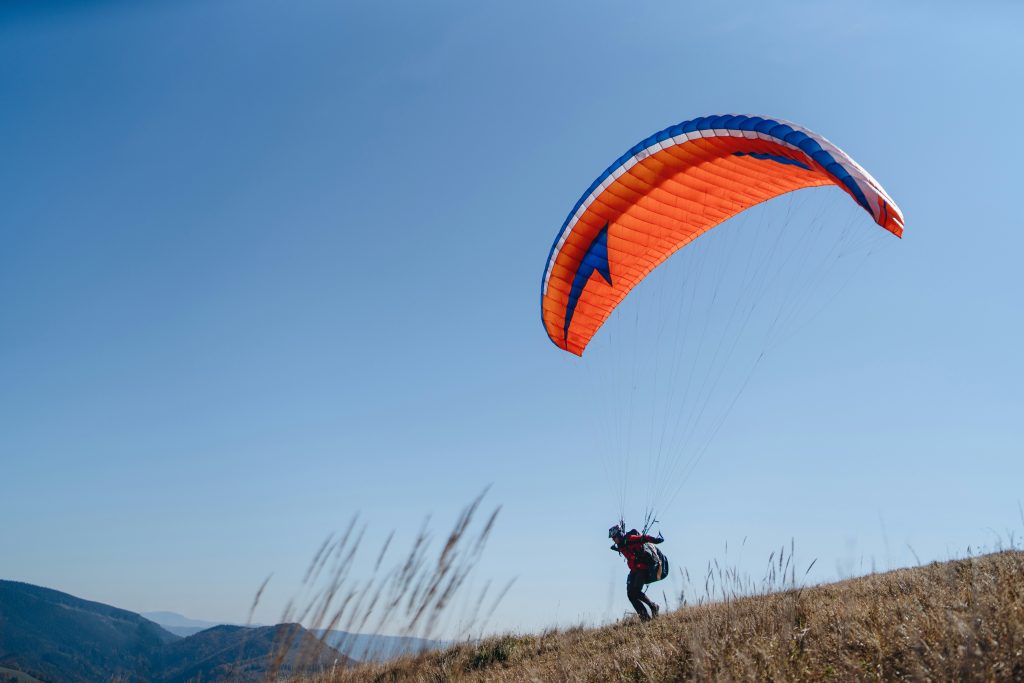
Milk Hill is a favorite among advanced paragliders, known for its strong thermals and long-distance flying opportunities. It’s one of the top spots for setting personal flight records and offers challenging wind conditions for those looking to push their limits.
Best for: Advanced pilots
Wind direction: South to southeast
Distance from London: 2 hours by car
Public transport: Trains from London Paddington to Pewsey, followed by a taxi
Best season: Summer for long-distance flying.
Pro Tip: Famous for hosting the UK’s longest paragliding flights – ideal for ambitious pilots.
11. Mount Caburn, East Sussex
Mount Caburn is a hidden gem for paragliding in the South Downs. Located near Lewes, this site is perfect for those looking to escape the crowds and enjoy a serene flying experience. The 146-meter elevation provides excellent thermals for longer flights, and the south-facing slopes give you an extended flying window when conditions are favorable. This spot is ideal for both beginners and intermediates, with its gentle thermals and easy landings.
Best for: Beginners to intermediates
Wind direction: South
Distance from London: 1 hour 30 minutes by car
Best season: Spring to early autumn for mild winds and steady conditions.
Pro Tip: The site offers quieter, less crowded flying compared to nearby Devil’s Dyke, making it ideal for a peaceful flight.
12. Steyning Bowl, West Sussex
Located in the South Downs National Park, Steyning Bowl is a lesser-known but highly versatile paragliding site. With multiple slopes facing different directions, this spot accommodates a variety of wind conditions, making it more flexible than many other sites near London. Steyning Bowl is perfect for all skill levels, and the site is relatively quiet, allowing for more personal flying space. It’s also known for its scenic views of the surrounding countryside.
Best for: All skill levels
Wind direction: Various (depending on slope)
Distance from London: 1 hour 30 minutes by car
Public transport: Trains from London Victoria to Shoreham-by-Sea, followed by a 15-minute taxi ride.
Best season: Spring to late summer when the winds are more predictable.
Pro Tip: This site offers multiple slopes facing different wind directions, making it a versatile flying spot even on less-than-perfect days.
13. Woldingham, Surrey
Situated in the North Downs, Woldingham is an accessible paragliding site perfect for beginners and those looking for training opportunities. It’s home to Green Dragons Paragliding School, which offers both tandem flights and full training programs for pilots looking to earn their certifications. The site is known for its mild thermals and steady winds, making it an excellent place to practice or enjoy a leisurely flight.
Best for: Beginners
Wind direction: Southwest
Distance from London: 45 minutes by car
Public transport: Trains from London Victoria to Woldingham Station, followed by a short taxi ride.
Best season: Spring to autumn for stable wind conditions.
Pro Tip: Home to Green Dragons Paragliding School, this spot is great for those new to the sport or looking for tandem paragliding experiences close to London.
What to Bring and What to Wear for Paragliding
Preparing properly for your paragliding trip is essential to ensure you have a safe and enjoyable flight. Here’s what you need to know about what to pack and how to dress for your adventure:
What to Bring
- Sunscreen and Lip Balm: Even on cooler days, UV exposure can be intense at altitude. Protect your skin and lips from the sun.
- Water and Snacks: Paragliding can be physically demanding, especially if you’re spending several hours at a site. Stay hydrated and energized with water and light snacks.
- Camera or GoPro: Capture your adventure from above! Many paragliders bring small cameras or action cameras (like a GoPro) to record their flight.
- Gloves: Even in warmer weather, gloves help with grip and protect your hands from rope burn or cold air at higher altitudes.
- Personal Identification and Paragliding License: If you’re flying solo, bring your certification (e.g., BHPA Club Pilot License) and ID. Some locations may require proof of certification to allow you to fly.
- Helmet: If you have your own paragliding helmet, it’s a good idea to bring it. If not, most schools will provide one for you.
- Wind Meter: For more experienced pilots, bringing a wind meter can help you check wind conditions on-site.
What to Wear
- Layered Clothing: Paragliding can involve temperature shifts, especially when flying at higher altitudes. Wear layers that you can adjust based on conditions, such as a moisture-wicking base layer and a lightweight windbreaker or softshell jacket.
- Sturdy Footwear: Opt for comfortable, ankle-supporting shoes like hiking boots or sturdy trainers. Avoid sandals or open-toed shoes as you’ll need to run for take-off and land on uneven terrain.
- Windproof Jacket: A good windproof jacket is essential to protect against cold winds at altitude, even on warmer days.
- Long Pants: Even in warmer weather, wearing long pants protects your legs from scrapes during take-offs and landings.
- Sunglasses: Polarized sunglasses are a great option to reduce glare and protect your eyes from the sun while flying.
- Hat or Beanie: Depending on the weather, a lightweight hat or beanie can help keep your head warm, especially in cooler conditions.
Pro Tip: Dress for the weather on the ground, but be prepared for cooler conditions at altitude. It can be significantly colder once you’re in the air, so having layers will keep you comfortable.
Happy Flying!
Paragliding near London offers a thrilling escape, whether you’re a beginner or an experienced pilot. From the serene slopes of Dunstable Downs to the challenging cliffs of Beachy Head, these top spots provide a variety of experiences for every skill level.
Before you go, be sure to check weather conditions, review local regulations, and plan your trip accordingly. With some of the UK’s best paragliding spots within easy reach from London, your next adventure is just a short drive away!
For a full list of Paragliding Courses in the UK and beyond, check adventuro Paragliding.
Paragliding Near London FAQs
These FAQs cover everything you need to know about paragliding near London. From the best times of year and gear requirements to insurance, permits, and certification. Here’s a quick guide to answer common questions and help you prepare for a safe, enjoyable flight.
1. What’s the best time of year for paragliding near London?
The ideal time for paragliding is between spring and late summer (April to September), when weather conditions are generally more predictable and the winds are milder. However, it’s important to check the local weather forecast before heading out, as conditions can vary.
2. Do I need to bring my own equipment?
Many locations near London offer equipment rental and training for those without their own gear. Sites like Dunstable Downs and Devil’s Dyke have nearby schools that cater to both beginners and experienced pilots.
3. Can I try tandem paragliding near London?
Yes, many locations offer tandem paragliding, which allows you to fly with an experienced instructor. This option is great for beginners or those wanting a no-training-required experience, making it a perfect way to enjoy the scenery and the thrill of flight. Search adventuro Tandem Paragliding Courses.
Tandem Paraglide Over South Downs or Beachy Head
Double-Length Tandem Paragliding Flight
Cross Country Tandem Paragliding Flight
4. Can I fly the same day, or do I have to take lessons?
For tandem paragliding, you can usually fly on the same day. If you want to fly solo, you’ll need to take lessons to learn the necessary skills and safety procedures. Many clubs offer introductory courses that allow you to get started.
5. Is paragliding safe for beginners?
Yes, many locations like Dunstable Downs and Sharpenhoe Clappers are beginner-friendly, offering wide landing areas and gentle slopes. Always start with a lesson from a certified instructor to ensure safety. Read more Is Paragliding Safe? A Data-Driven Perspective.
6. How do I get to these locations from London other than with a car?
Most spots are accessible by car, typically within 1-2 hours from London. For some locations, like Devil’s Dyke or Surrey Hills, public transport options are available, with trains and buses providing easy access.
7. Is parking available at these paragliding locations?
Yes, most popular paragliding spots near London, such as Butser Hill and Dunstable Downs, have parking facilities either on-site or nearby. It’s best to check ahead as some locations may have limited spaces.
8. Are these paragliding sites open year-round?
Most paragliding locations are open year-round, but the best flying conditions are typically between spring and early autumn. Winter flying can be more challenging due to unpredictable weather, and some sites may have restricted access during certain months. If you are looking to paraglide in colder seasons, consider taking a Paragliding Trip to some warmer climates!
9. What are the weather limitations for paragliding?
Paragliding is highly dependent on weather conditions. Ideal conditions include moderate winds (not too strong or too light) and clear skies. Avoid flying in stormy, foggy, or excessively windy conditions. Always check the weather forecast and consult with local clubs before flying.

10. Can I get certifications for paragliding?
Yes, many locations near London offer certification courses through local clubs. The British Hang Gliding and Paragliding Association (BHPA) offers various levels of certifications, starting with a Club Pilot License, which is necessary for solo flying at most sites. You can obtain certifications at some of these locations or check out adventuro’s Paragliding Certification Courses.
Master Paragliding: An Inside Look at Pilot Training
11. Do I need to join a club or pay any fees, or can I paraglide independently?
It depends on where you plan to paraglide. While some paragliding sites are open to the public, many popular spots in the UK are managed by local clubs, such as those affiliated with the British Hang Gliding and Paragliding Association (BHPA). These clubs often require membership or a site fee for access, as they help maintain the sites and ensure safety protocols are followed.
Joining a club can also provide benefits such as insurance, local flying knowledge, and access to events or group flights.
For independent flying, you can paraglide at sites that don’t require club membership, but it’s crucial to check whether the location has any restrictions or fees in place. Additionally, even experienced pilots are encouraged to connect with local clubs to stay updated on flying conditions, regulations, and site etiquette.
Tip: If you’re a beginner, joining a club or paragliding school is highly recommended, as it ensures you receive proper training and insurance coverage.
12. Do I need insurance for paragliding at these spots?
Yes, it is highly recommended to have paragliding insurance, especially if you’re flying solo. Paragliding is considered an extreme sport, and most general travel insurance policies do not cover accidents or injuries related to it. Specialized paragliding insurance can cover injuries, accidents, and third-party liability in case of damage to property or injury to others.
For those training or flying through certified clubs, insurance might also be included or offered at a discount through membership with organizations like the British Hang Gliding and Paragliding Association (BHPA). Always check with your club or instructor about the insurance options before flying.
Adventure Sports Insurance: What You Need to Know
13. Do I need a license to paraglide in the UK?
Yes, if you plan to fly solo, you will need to obtain a paragliding license. In the UK, the most common certification is the BHPA Club Pilot License, which is necessary to fly unsupervised at many sites. To get this license, you need to complete training through a certified British Hang Gliding and Paragliding Association (BHPA) school, which includes ground handling, take-off, and flight training.
However, if you are participating in tandem paragliding with an instructor, no license is required. The instructor takes full responsibility for the flight, making this a great option for first-time or occasional flyers.
Tip: Always check with the local club or school about the specific certification requirements for the site you wish to fly at, as different locations may have varying rules.
14. Do I need a permit to paraglide, or is a license enough?
In most cases, having a BHPA Club Pilot License is sufficient to paraglide at various sites across the UK. However, certain locations – especially those managed by local clubs or situated in national parks – may require you to obtain a permit or pay a site fee to fly there. These permits are typically managed by the local paragliding or hang gliding clubs and are often included with membership.
For restricted or privately owned sites, you may need explicit permission or a permit to access the area. It’s important to check with the local club or landowner for any specific rules before flying.