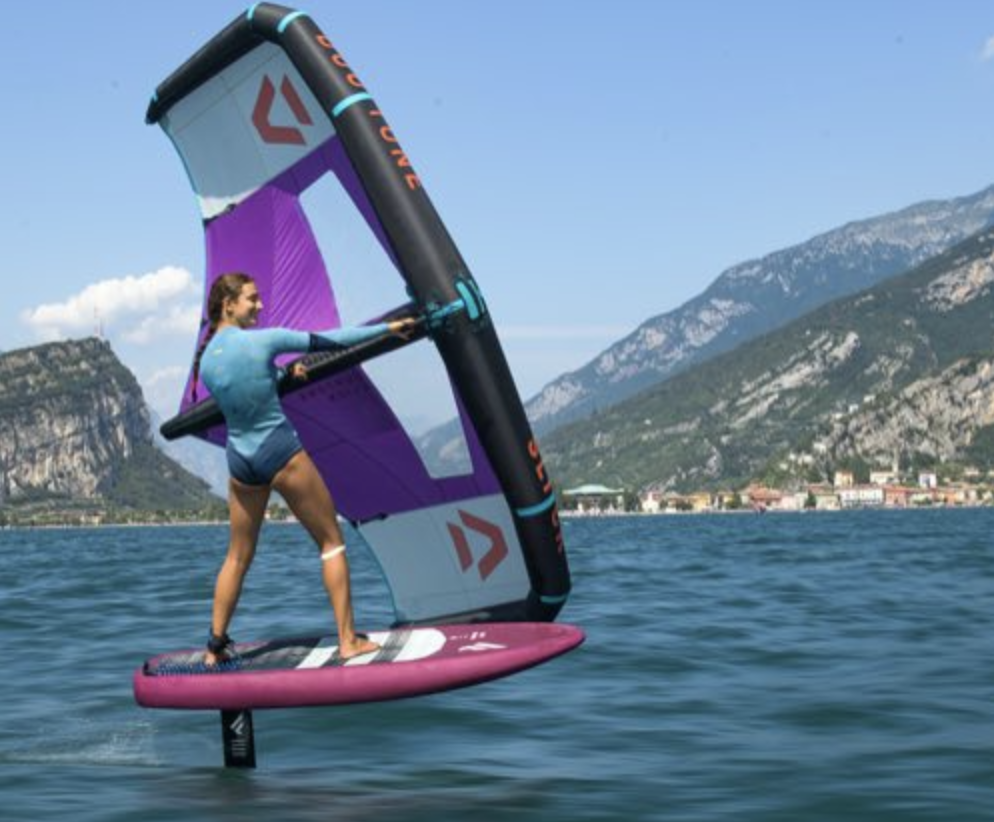
Wingfoiling is one of the fastest-growing watersports, offering an entirely new way to ride the wind and waves. It blends the best aspects of windsurfing, kitesurfing, and hydrofoiling, creating a highly dynamic experience that allows riders to lift off the water and glide above the surface.
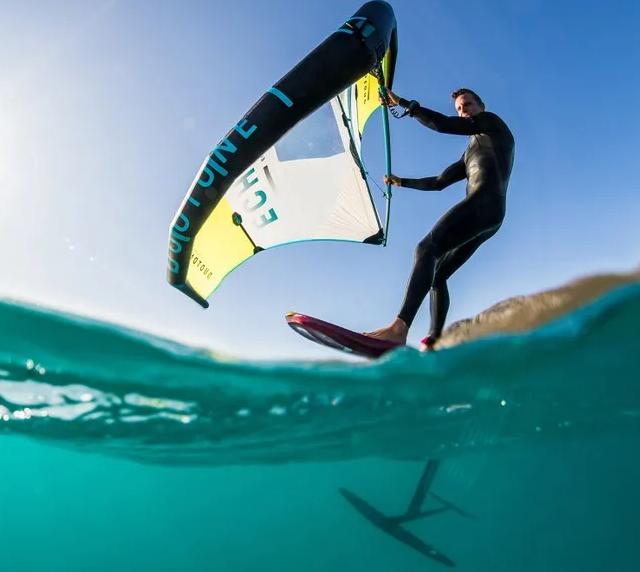
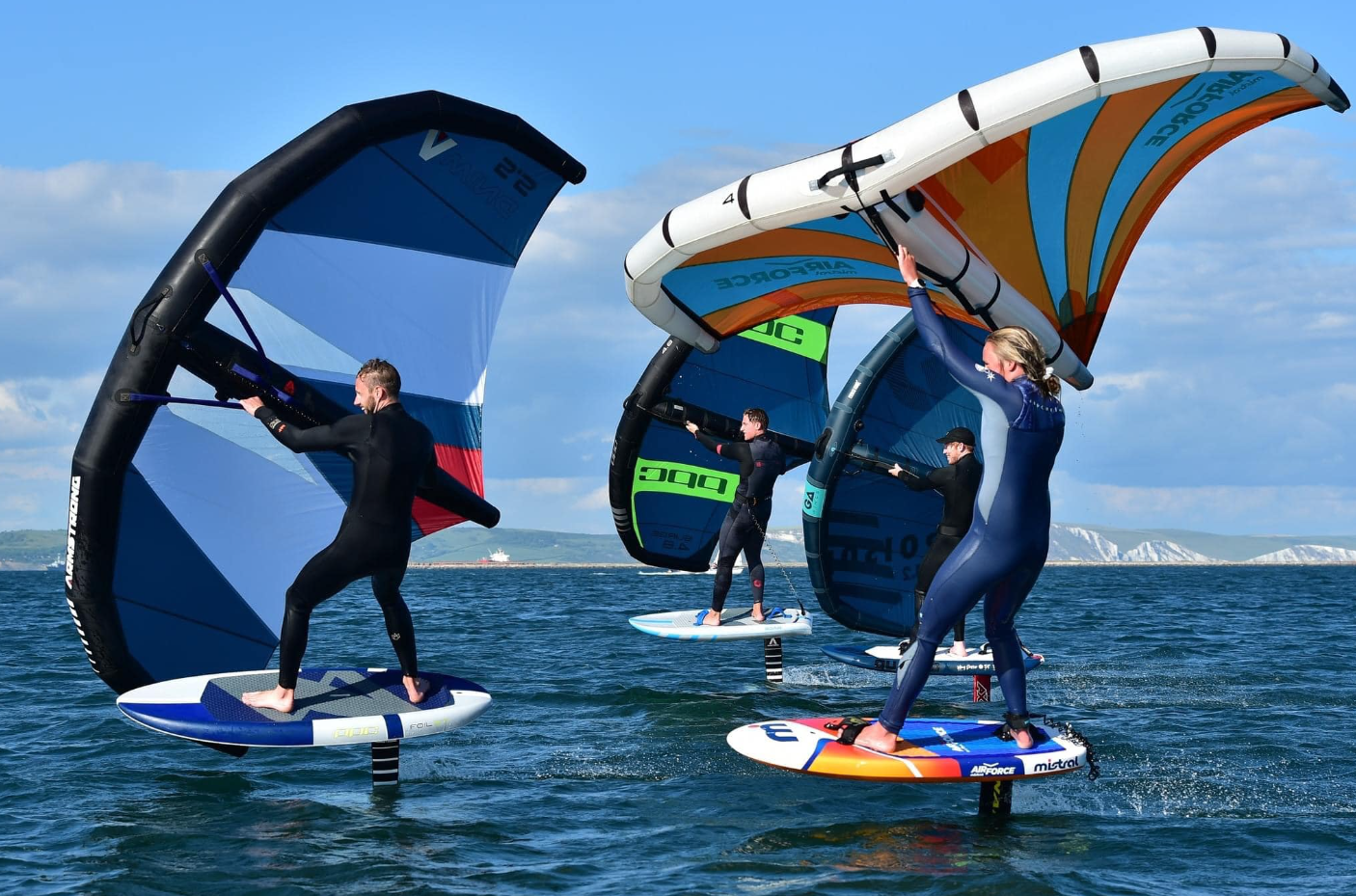
At its core, wingfoiling involves using an inflatable wing, held freely in your hands, to generate wind power while standing on a hydrofoil board. The foil beneath the board creates lift, allowing riders to hover above the water with minimal drag. This results in a smooth, near-silent ride that feels completely different from traditional wind-powered sports.
Why Wingfoiling?
For beginners, wingfoiling offers a more accessible learning curve than kitesurfing, with no lines to manage and a more intuitive handling of the wing. The sport is also highly versatile—you can ride in flat water, carve on rolling swells, or tackle strong wind conditions.
For experienced riders, the sport opens up advanced techniques such as wave riding, tacking and jibing transitions, downwinding across open ocean swells, and freestyle tricks. Riders can fine-tune their setup with different foil sizes, mast lengths, and wing shapes to optimise performance for various conditions.
Wingfoiling Conditions & Locations
Wingfoiling can be done in a wide range of conditions, from light wind sessions in flat water to powerful ocean waves. The ideal setup depends on wind strength, swell size, and rider experience.
- Flat Water: Perfect for learning, freestyle tricks, and speed runs.
- Ocean Swells: Advanced riders can harness rolling waves for downwind runs.
- High Wind Conditions: Smaller wings and higher-aspect foils allow for increased control and efficiency.
Equipment & Setup
Wingfoiling gear is continuously evolving, with advancements in wing design, board shapes, and foil technology. A typical setup includes:
- The Wing: Inflatable and lightweight, wings range from 2m² to 7m², with larger wings for light winds and smaller wings for stronger conditions.
- The Board: Shorter, volume-based foil boards are common, with increased buoyancy for beginners and more compact boards for experienced riders.
- The Foil: Hydrofoil setups vary in size and aspect ratio, with larger foils providing more lift for early takeoff and smaller foils offering speed and agility.
Why Try Wingfoiling?
Wingfoiling is a fast-growing sport with endless room for progression. It’s easier to transport and set up than windsurfing or kitesurfing, requires less wind to get going, and provides an unmatched feeling of freedom on the water.
adventuro offers guided wingfoiling lessons, rentals, and advanced coaching to help you master this evolving sport.