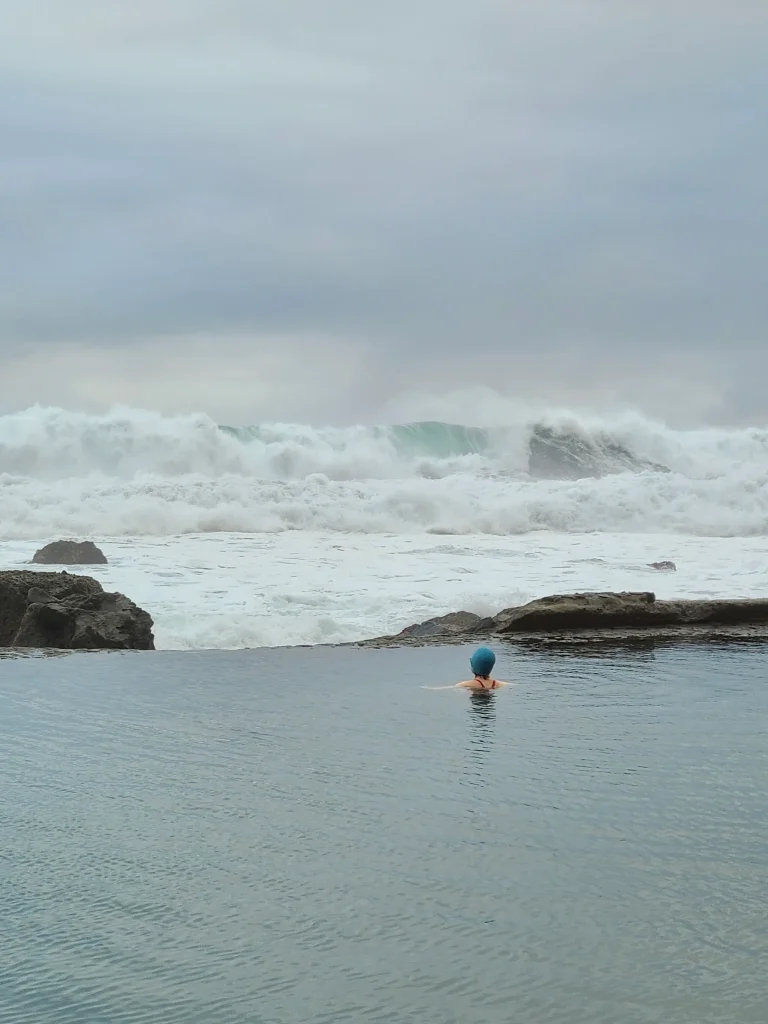
What Is Wild Swimming?
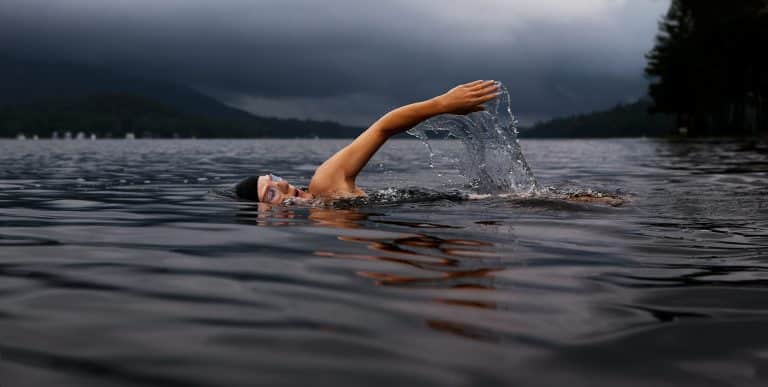
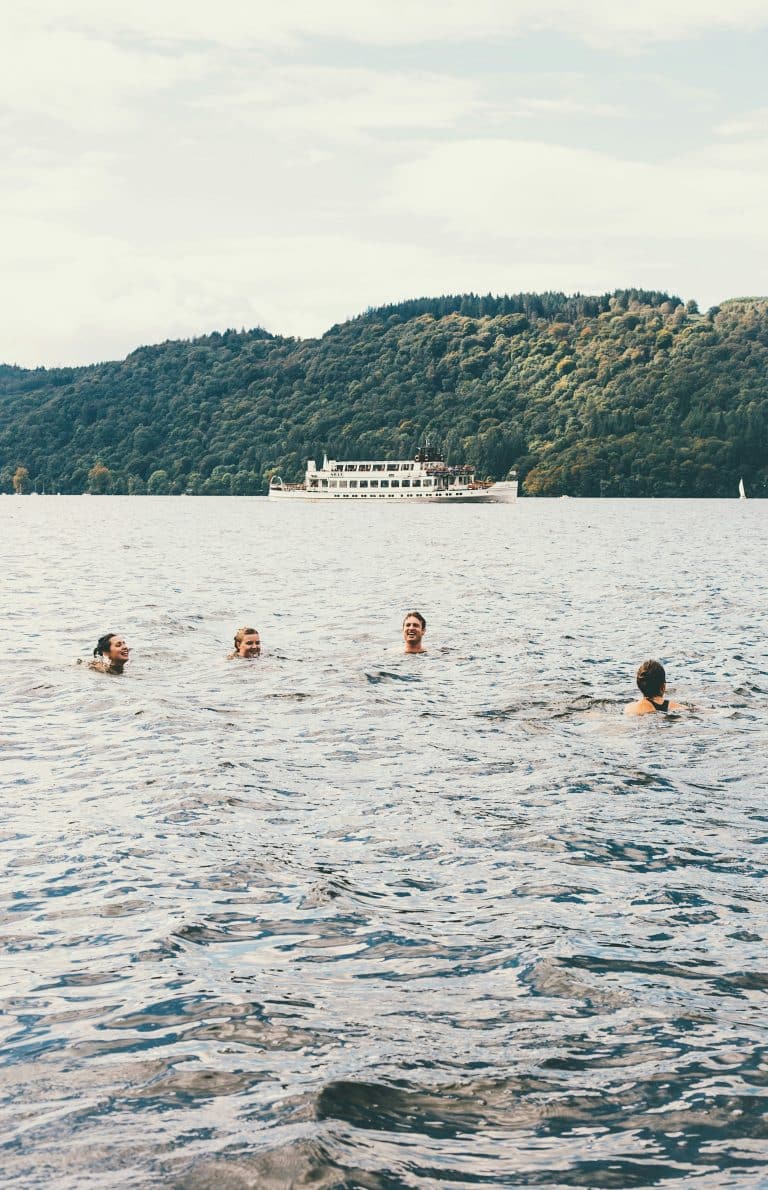
Wild swimming is the practice of swimming in natural bodies of water such as lakes, rivers, reservoirs, or the sea, rather than in a swimming pool. It provides a straightforward way to combine physical exercise with time outdoors. Swimmers can choose from a variety of settings depending on their experience and preference, including calm lakes, gentle rivers, or coastal waters. Unlike pools, wild swimming doesn’t have lane ropes or set schedules, so you can swim at your own pace and enjoy the surroundings. This activity is suitable for beginners as well as more experienced swimmers, offering something for everyone.
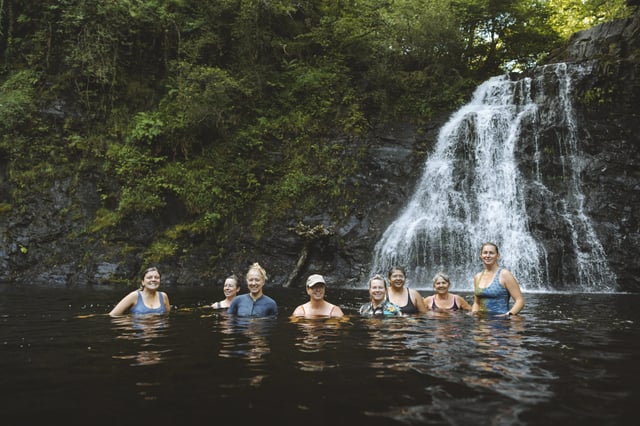
Many people take up wild swimming as a fresh alternative to indoor swimming, appreciating the chance to be in natural environments. It introduces you to different water conditions, temperatures, and occasionally local wildlife, making each swim unique. Wild swimming can be done alone or with others, giving you the option to keep it quiet and personal or make it a social activity. Whether you prefer a quick dip or a longer swim, it’s a flexible way to improve fitness and enjoy nature.
What to Know Before You Swim
Wild swimming has many physical and mental benefits. Swimming in cold, fresh water engages your whole body, improving circulation, building strength, and boosting endurance. The cooler temperatures can also help with recovery and may improve your immune response. Mentally, being outdoors in natural settings while swimming often reduces stress and supports wellbeing. The simplicity of wild swimming – just you and the water – offers a chance to unwind and focus.
That said, it’s important to prepare properly and consider safety. Water temperatures are usually much colder than pools, which means you should start gradually to avoid cold water shock. Wearing a wetsuit is recommended in cooler conditions, especially for longer swims or beginners. Always check local advice on water quality and any known hazards such as currents, underwater obstacles, tides, or sudden drop-offs. Swimming with a buddy or telling someone your plans is a sensible precaution.
Beginners should start in shallow, calm water to get comfortable before moving on to more challenging locations. It’s helpful to join local wild swimming groups or connect with experienced swimmers who can offer guidance on safe spots and techniques. Knowing how to enter and exit the water safely, recognising changing weather conditions, and understanding your own limits are key to enjoying wild swimming safely.
Respect for the environment is also essential. Avoid disturbing wildlife, keep to designated access points where possible, and take any rubbish with you. This helps maintain the quality of wild swimming spots for everyone. Overall, wild swimming is a rewarding and accessible activity that promotes fitness and wellbeing while allowing you to experience the natural world in a direct way. With some basic precautions, it can become a regular and enjoyable part of your outdoor routine.