What is Wakeboarding?
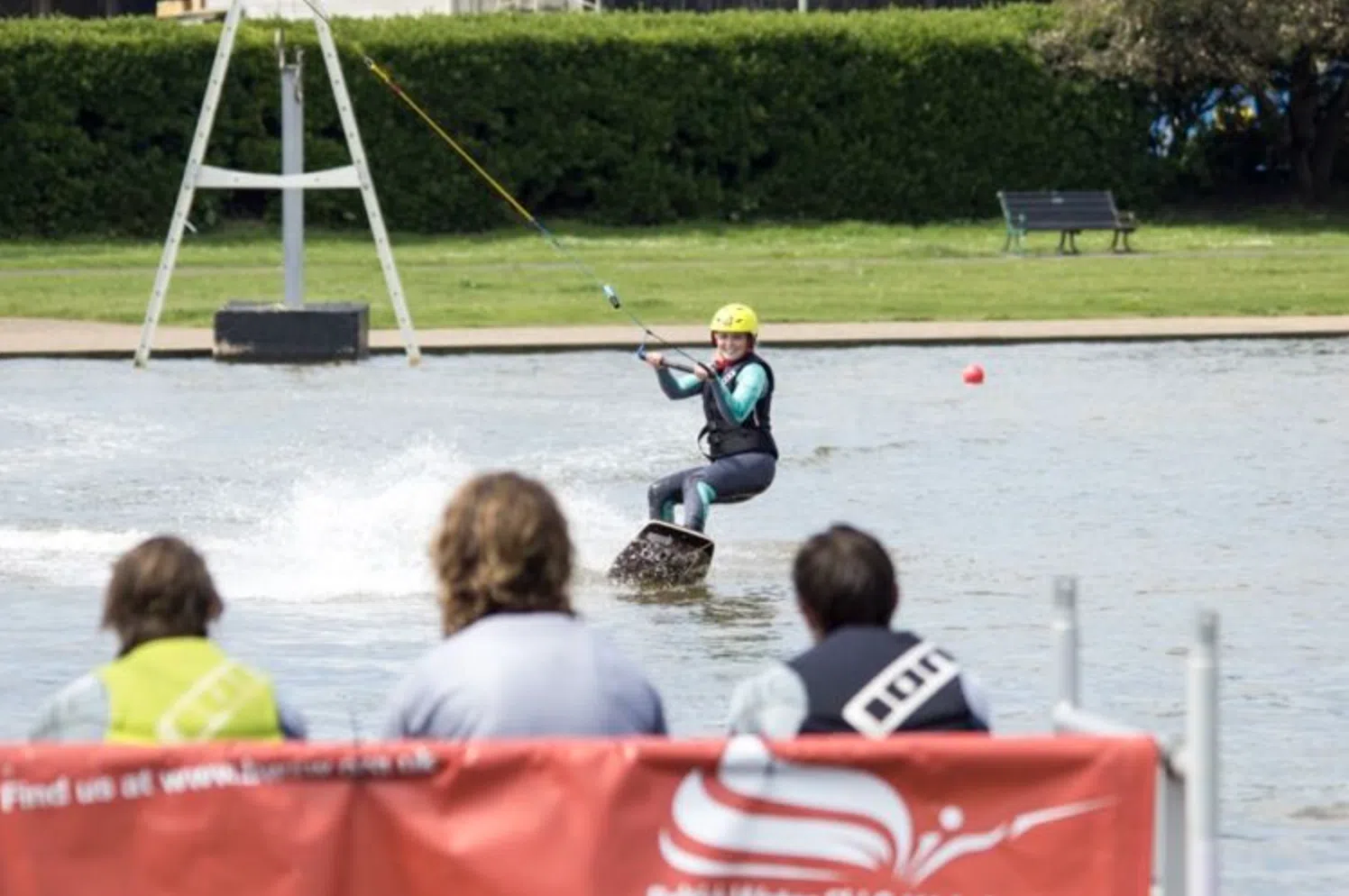
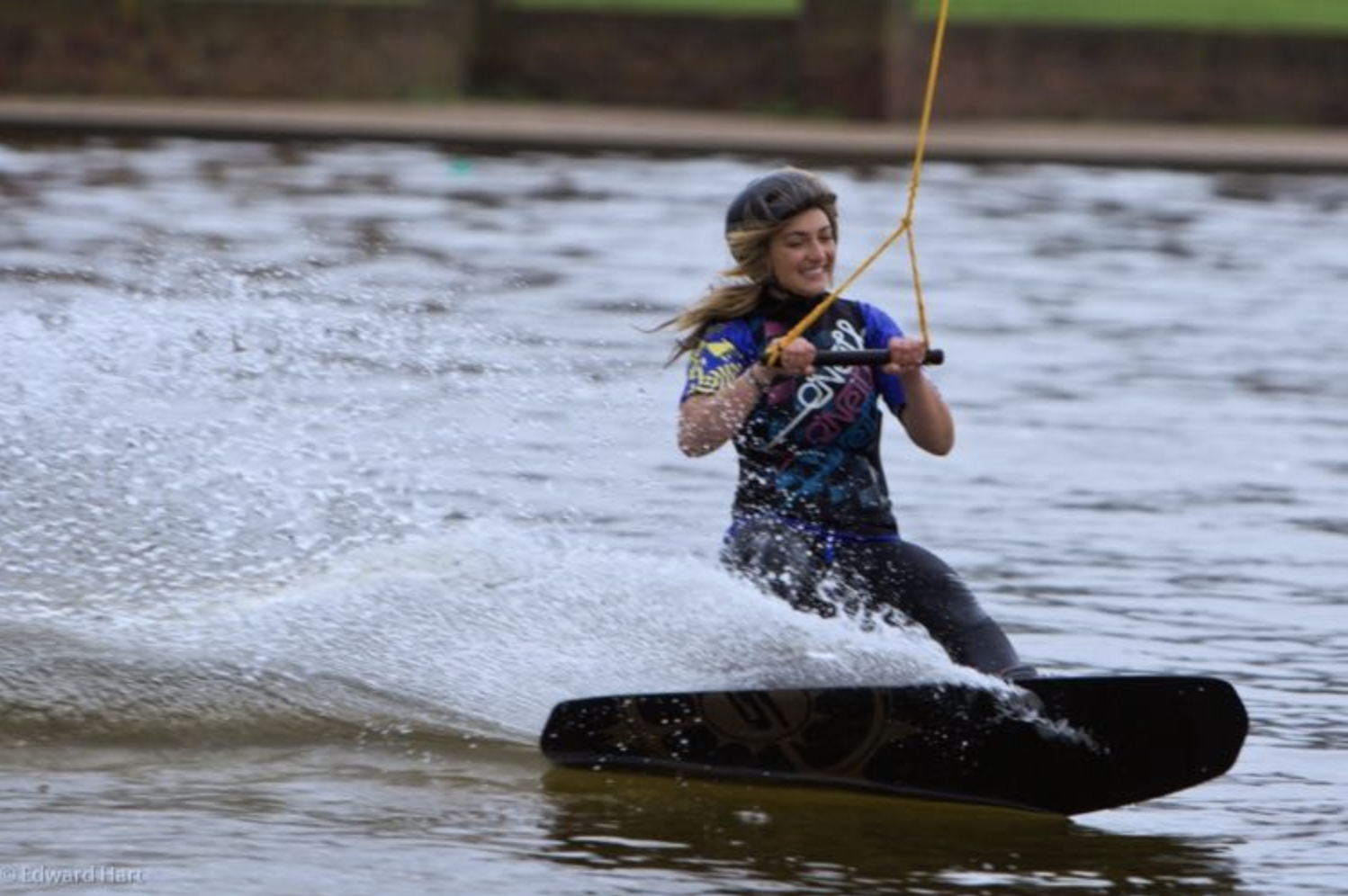
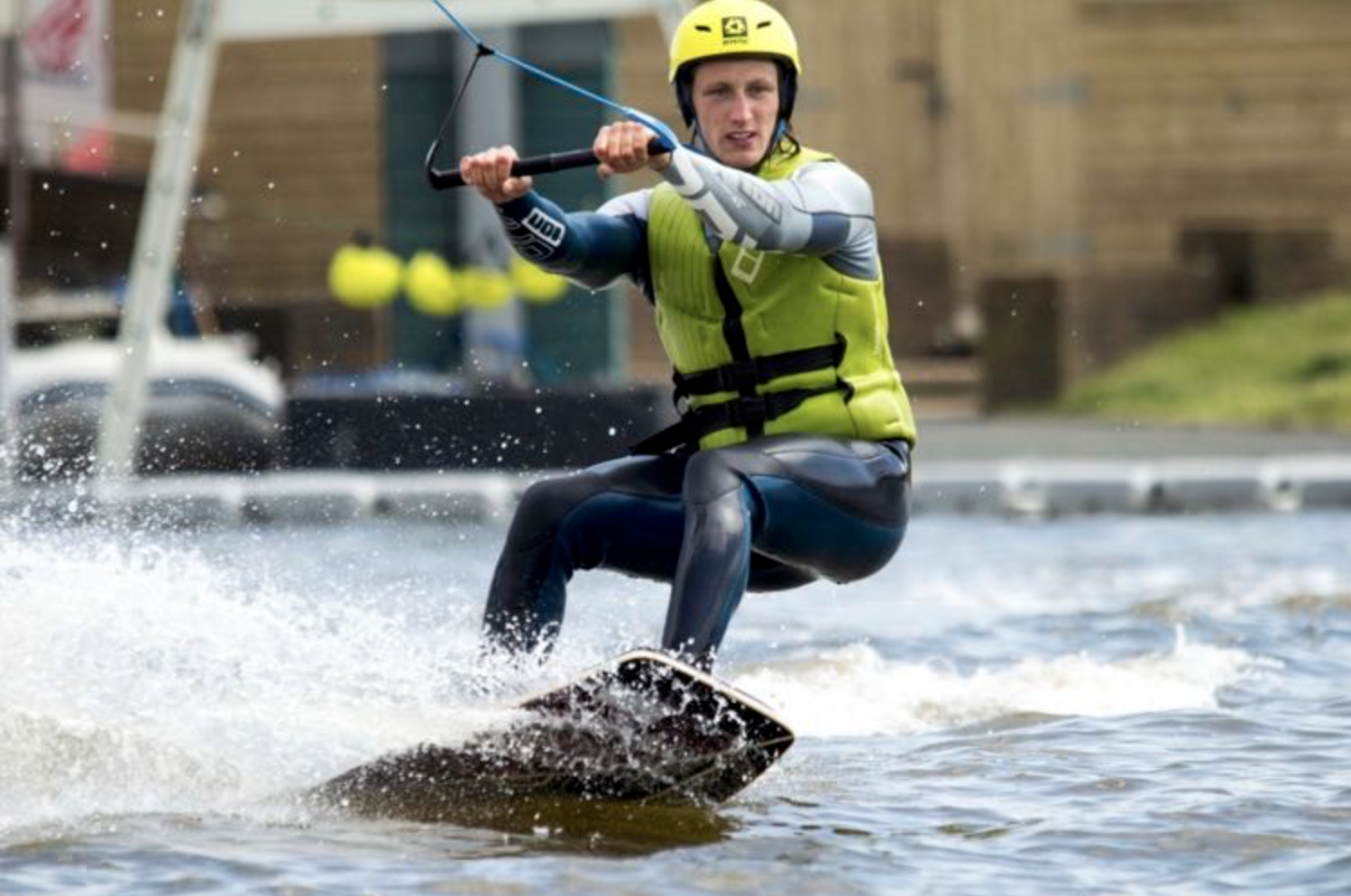
Wakeboarding is a high-energy watersport that combines elements of snowboarding, surfing, and water skiing. The rider stands on a single board with foot bindings and is towed behind either a motorboat or a cable system at speeds typically ranging from 18 to 25 mph. The wake generated by the boat or the consistent pull of the cable allows riders to carve across the water, perform jumps, and learn a range of tricks from basic surface spins to advanced aerial manoeuvres.
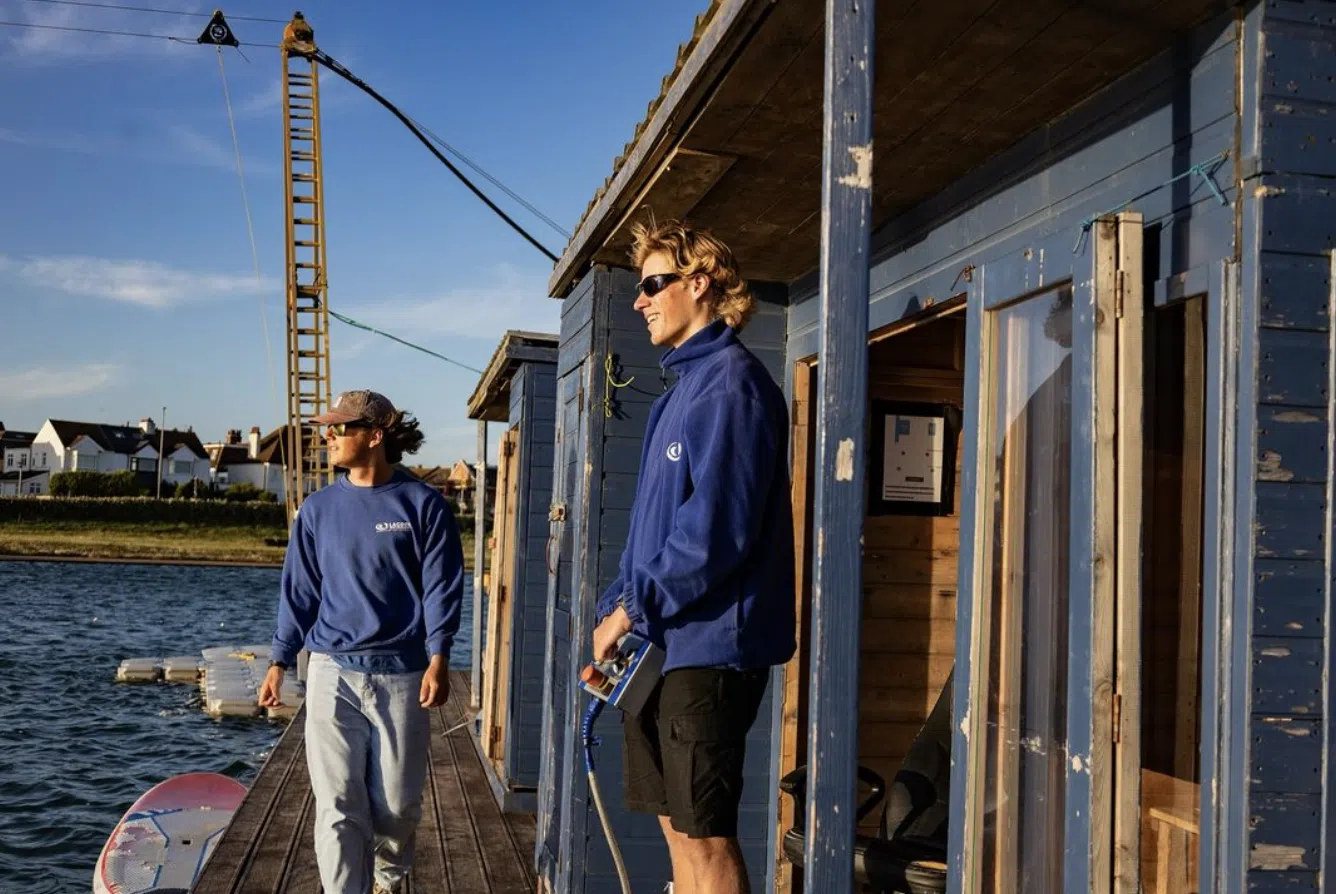
Sessions usually take place on calm lakes or purpose-built cable parks. Beginners start with basic stance, balance and edging techniques, often using slower speeds and shorter ropes to build confidence. As skills progress, riders can learn to use the boat’s wake as a ramp, launching themselves into the air. Cable systems are especially popular for lessons, offering controlled conditions and the chance for repeat runs without waiting for a boat reset.
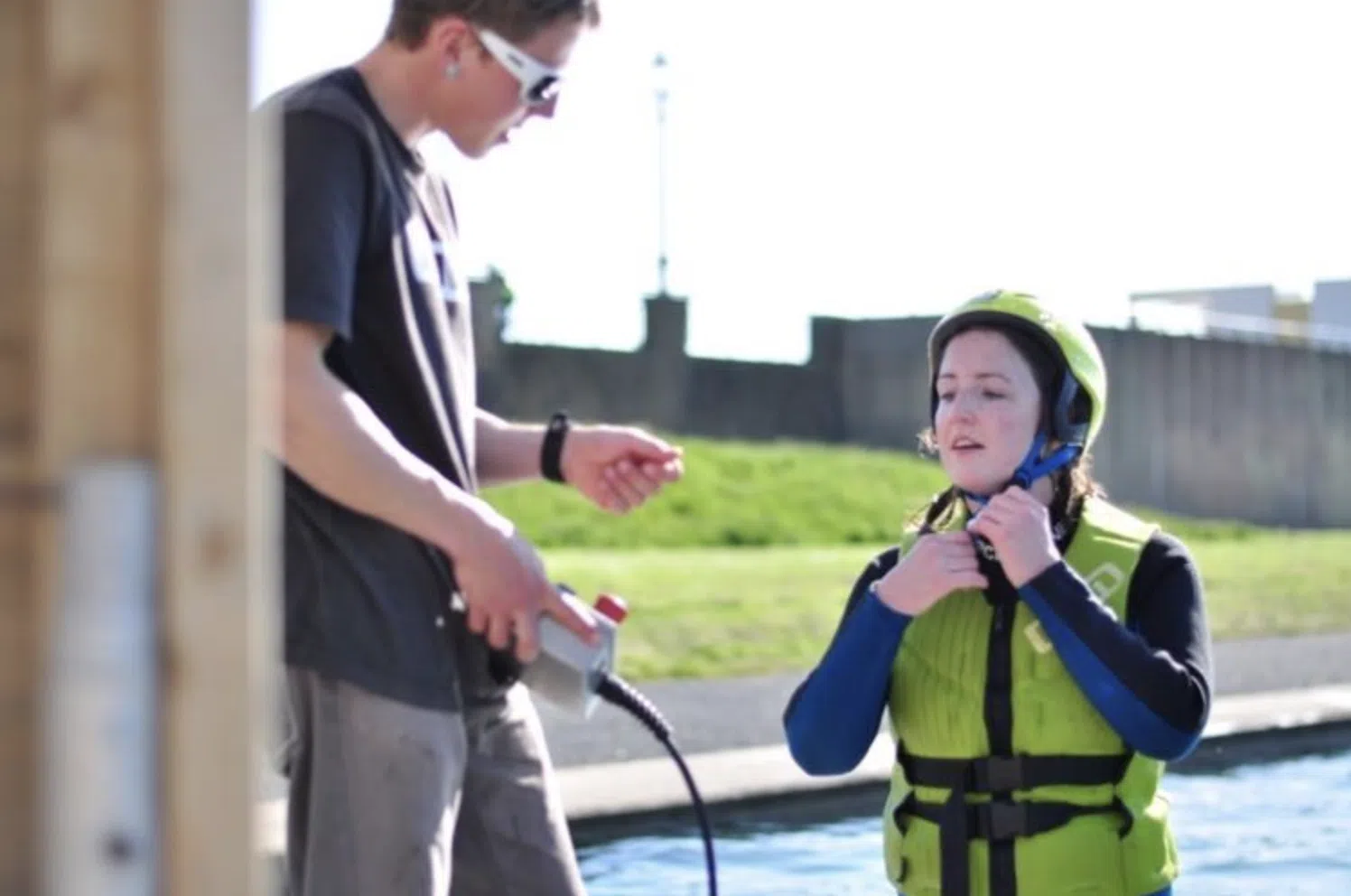
Although it can look intimidating, wakeboarding is accessible for beginners of all ages with the right guidance. Modern boards are more stable than ever, and instruction focuses on gradual progression, from standing up for the first time to attempting small tricks. Most sessions begin on dry land with a quick briefing and kit fitting, followed by time on the water supported by a qualified coach or instructor.
How Can I Get Involved?
The best way to try wakeboarding is by booking a beginner-friendly session at a wake park or boat-based centre. These sessions are typically run by experienced instructors who will provide the gear, guide you through safe technique, and help you build skills at your own pace. Everything from wetsuits and helmets to life vests and boards is usually included. You’ll start with a warm-up and land-based intro before heading out onto the water for a fully coached session.
For those looking to progress, group lessons, private coaching, or progression clinics are widely available. These can focus on developing tricks, improving wake control, or learning switch stance riding. Some facilities also offer youth courses or family sessions, allowing different skill levels to enjoy the sport together. Advanced riders might opt for hire-only access to cable lines or boat tow time, but it’s strongly recommended to go through formal lessons first, especially when learning how to fall safely and read the water.
Wakeboarding is not just a summer sport—many cable parks run sessions from spring through autumn with heated changing areas and full kit rental. Whether you're after a one-off try-out, a regular hobby, or a structured progression path, there’s a session to match your ability and interest. Booking through a centre ensures you're learning in a safe, supportive environment with top-quality equipment and professional instruction.