Paramotoring in Leicestershire, Rutland and Northamptonshire
Gentle farmland, Rutland Water and Jurassic Way ridges. Ideal for open-water swimming, gravel bike sportives, reservoir sailing and country-lane running.
No activities match your filters
Try adjusting your filters or
Overview
What is Paramotoring?
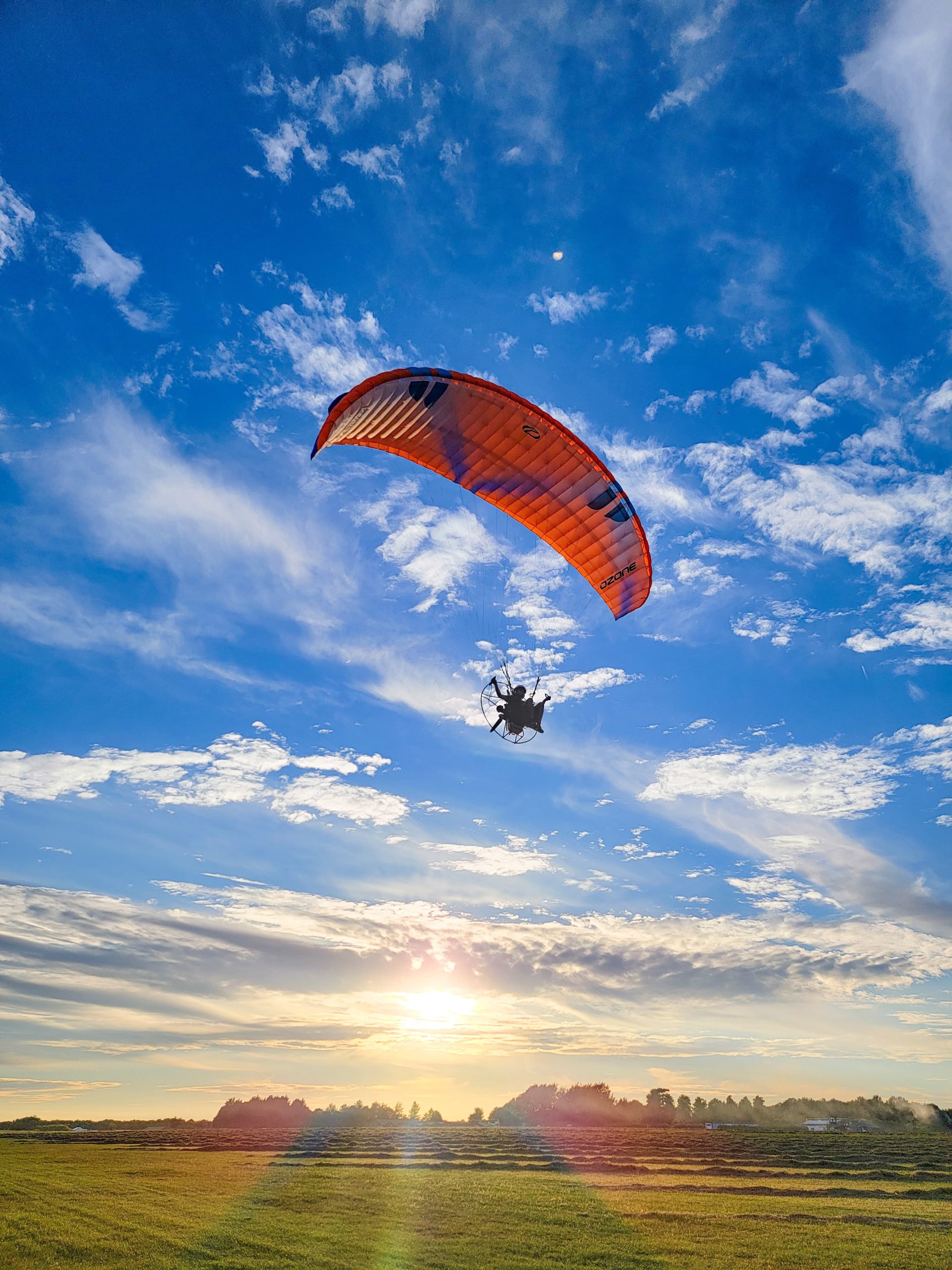
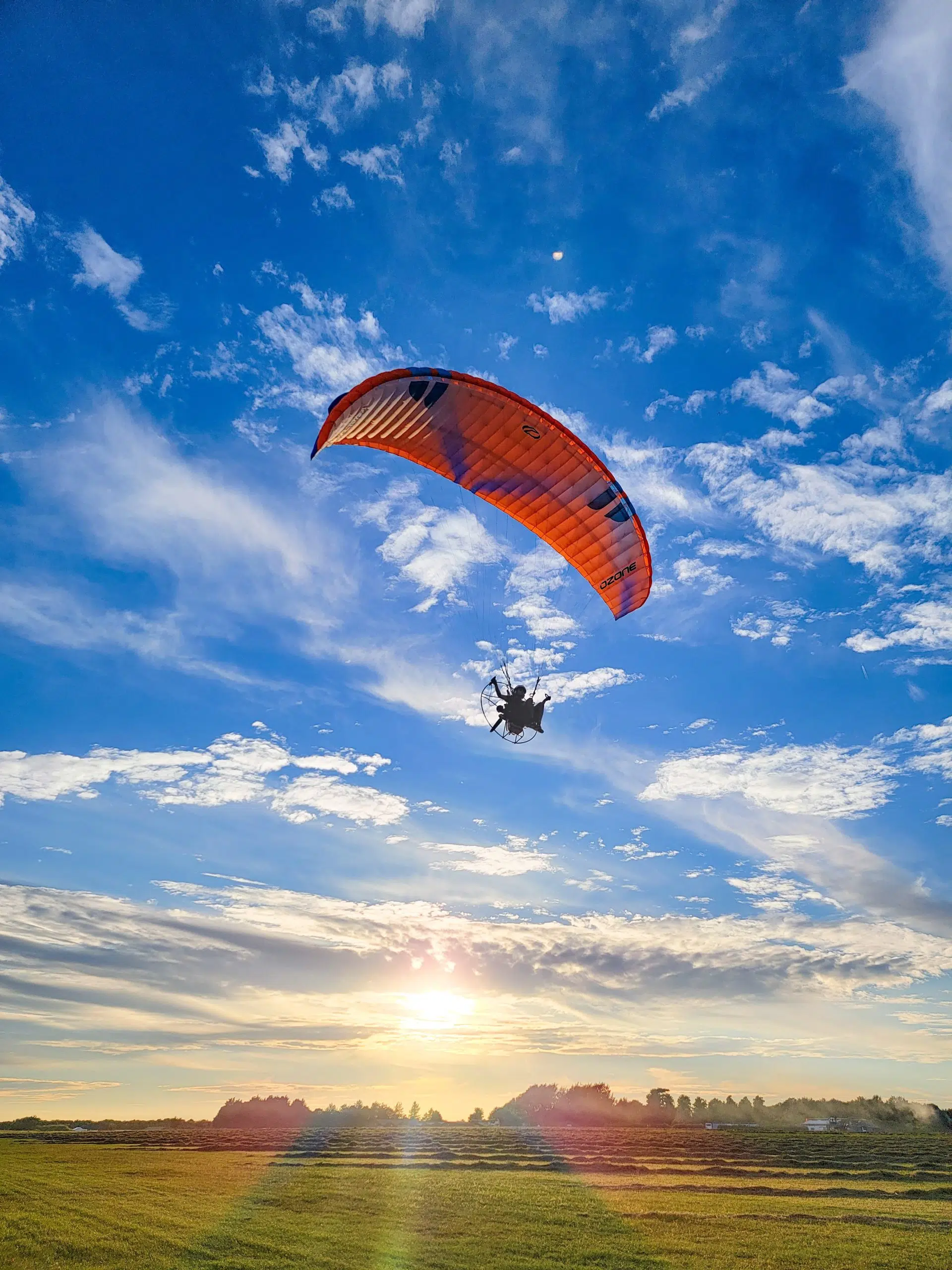
Paramotoring, also known as powered paragliding, is a type of ultralight aviation that gives you the freedom of flight without the need for hills, towing, or thermals. A small engine attached to a harness and frame is worn on the pilot’s back, driving a propeller that creates forward thrust. This, combined with a paraglider-style wing, allows you to take off from level ground and climb into the air with full control over your speed and direction.
The wing functions just like a paraglider, but with the added benefit of power, you’re no longer dependent on wind or landscape. Steering is done through brake toggles and weight-shifting, while altitude is controlled with the throttle. It’s a unique blend of low-speed flying, open-air views, and mechanical simplicity, offering a flying experience that’s both hands-on and highly accessible. Because you're not enclosed in a cockpit, the feeling is more open and direct—something many say feels closer to "true" flying.
Paramotors are typically compact, easy to transport, and can be assembled or disassembled quickly. Wings are designed for stability and control, with many models available to suit different flying styles. This flexibility is one of the reasons paramotoring has grown in popularity—it fits into the space between powered flight and free flight, offering the best of both.
How Can I Get Involved?
Paramotoring sessions are available in a range of formats, from one-off experiences to structured lessons and multi-day courses. Introductory sessions often focus on ground handling and understanding the equipment, giving you time to get used to the controls and movements before adding power. Some centres offer tandem flights where you can experience flying with a qualified instructor, while others move straight into solo training under close supervision.
Longer-term instruction may follow a training framework designed to work towards certification, such as the BHPA (British Hang Gliding and Paragliding Association) powered qualification. These courses generally cover everything from pre-flight checks and take-off techniques to flight manoeuvres, navigation, and engine handling. More experienced pilots may also look for advanced sessions to refine skills, explore cross-country flying, or build confidence in different conditions.
All equipment is usually provided for sessions, including the motor unit, wing, helmet, and any safety gear. The flying environment can vary depending on location and weather, but most centres operate from open fields or small airstrips with plenty of space for take-off and landing. As with any flying sport, conditions are closely monitored to ensure safe operation.
Whether you're curious about powered flight, looking to progress into solo flying, or just want to experience the feeling of taking off under your own control, paramotoring offers a practical and exciting route into aviation with a strong emphasis on personal skill and progression.