What Is Outdoor Climbing?
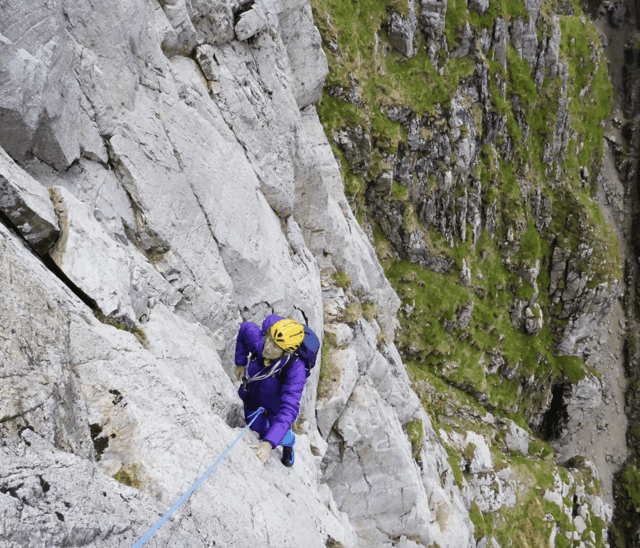
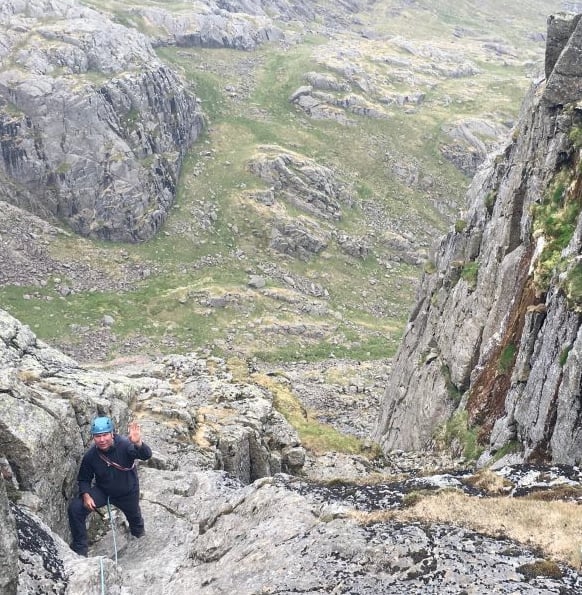
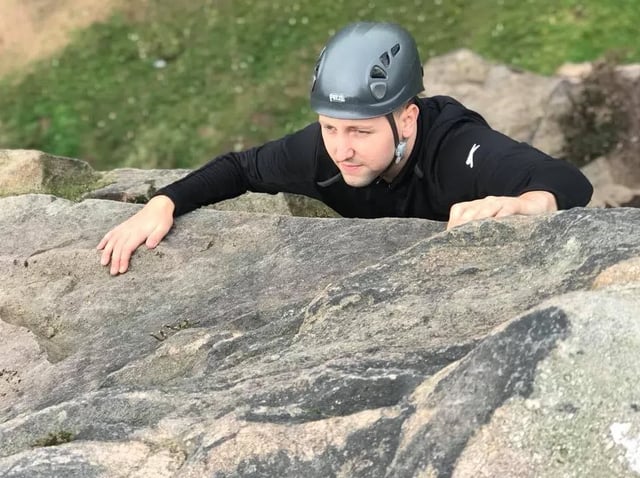
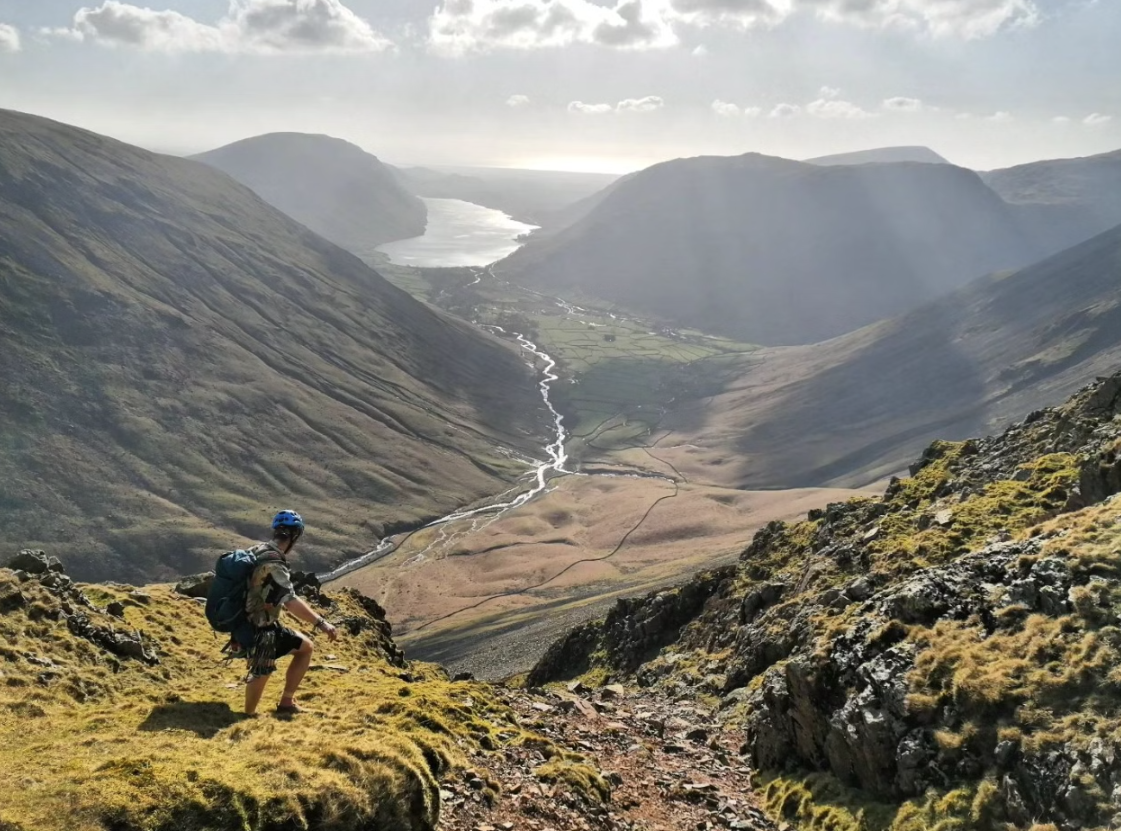
Outdoor climbing takes the skills learned indoors and applies them to natural rock faces. It includes various styles such as sport climbing, traditional (trad) climbing, bouldering, and multi-pitch climbing. Unlike indoor walls, outdoor routes involve using real rock features for movement and may require placing or inspecting gear. Climbers must adapt to varying rock types, weather, and environmental conditions, making it a more varied and sometimes more complex experience than indoor climbing.
Sport climbing involves routes with pre-placed bolts, requiring climbers to clip quickdraws for protection. Trad climbing focuses on placing your own gear (like nuts or cams) into cracks or features for safety, which you then remove after completing the climb. Bouldering is low-level climbing done without ropes but with crash pads, often involving short, powerful moves. Multi-pitch climbing means ascending longer routes that require multiple rope lengths, with belay stations in between. These formats require different levels of commitment, gear, and skills.
Outdoor climbing also builds on problem-solving, route reading, and decision-making skills. Climbers need to understand weather impacts, route grades, access rules, and environmental considerations such as protecting the rock and surrounding habitats. Understanding local ethics, like cleaning chalk marks or using minimal impact techniques, is a key part of outdoor climbing culture. Many climbers also learn to navigate approaches, assess anchor safety, and manage risks in a more self-reliant way than indoor climbing allows.
How Can You Get Involved?
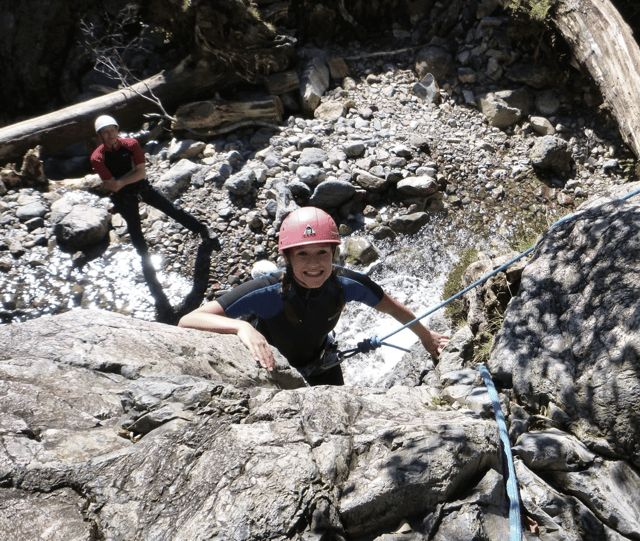
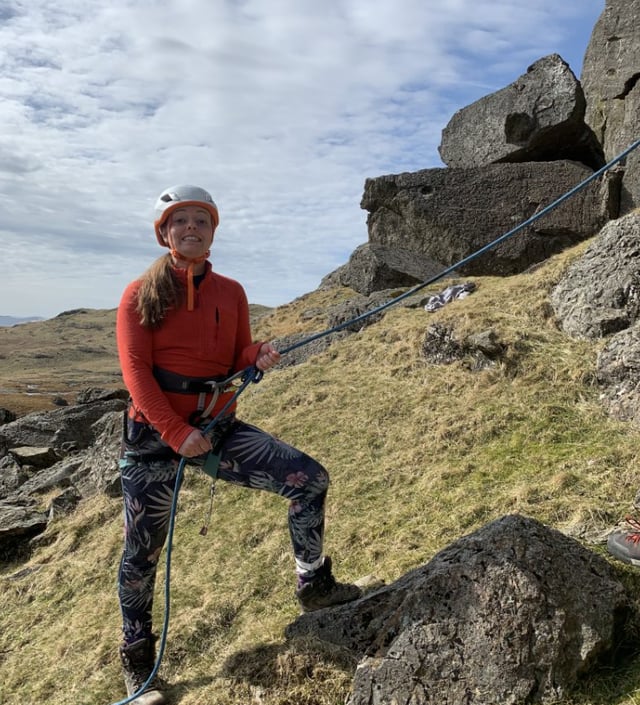
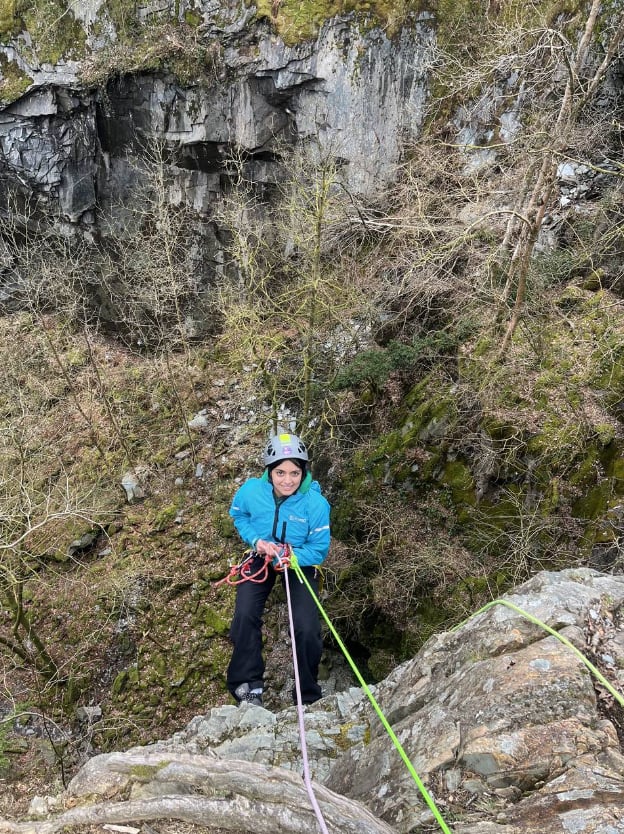
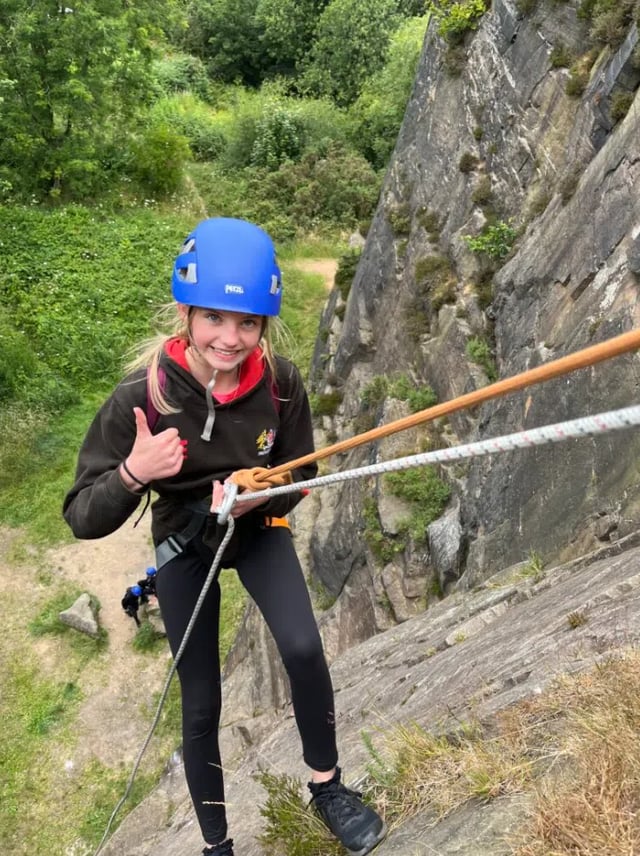
There are two main ways to start: joining a guided session or progressing independently from indoor climbing. Many people begin with professional instruction to learn how to set up top ropes, place protection, or lead climb safely. These sessions often cover belaying techniques, rope management, movement on rock, and what to do in the event of a fall. Outdoor-specific skills such as building anchors, reading terrain, and choosing appropriate gear are also part of early learning.
If you already climb indoors, you can transfer many of your movement and belaying skills outside. However, climbing outdoors introduces new hazards—such as loose rock, variable holds, and unmarked routes—so it’s important to get familiar with these gradually. Clubs and partner meet-ups are a good way to gain experience in a safe, social environment. Guidebooks and apps can help identify routes by grade, length, and style, but interpreting them correctly requires some practice.
Outdoor climbing qualifications are available if you’re looking to progress further. Programmes like personal skills courses or instructor awards cover key competencies in leading, supervising, and safety. These qualifications are often tailored to different types of rock climbing and are widely recognised by the outdoor industry. Some climbers use these courses to develop personal knowledge, while others work towards becoming instructors or outdoor leaders. The emphasis is on safe practice, self-reliance, and responsible climbing behaviour.
Whether you're trying your first top-rope on a gritstone edge or working through trad grades at a local crag, outdoor climbing offers a steady learning curve with lots of room to grow. It's a natural progression for those who enjoy indoor climbing and want to challenge themselves in real environments. With the right knowledge and support, outdoor climbing can become a long-term part of your outdoor life.