What Is Kitesurfing?
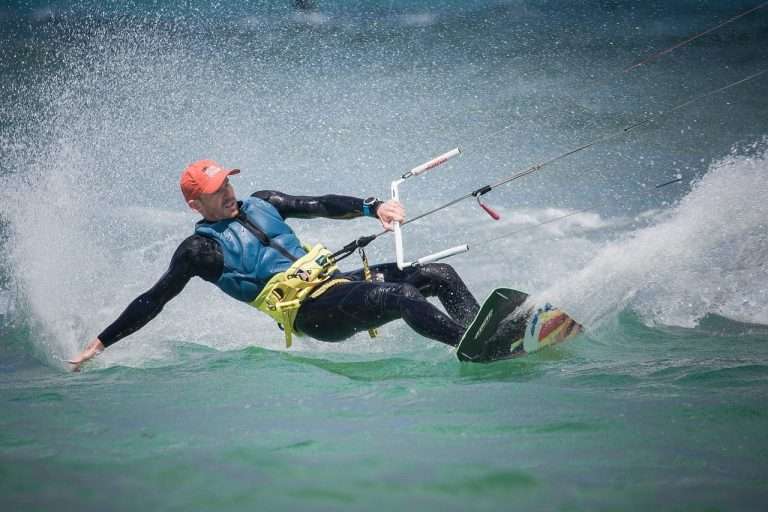
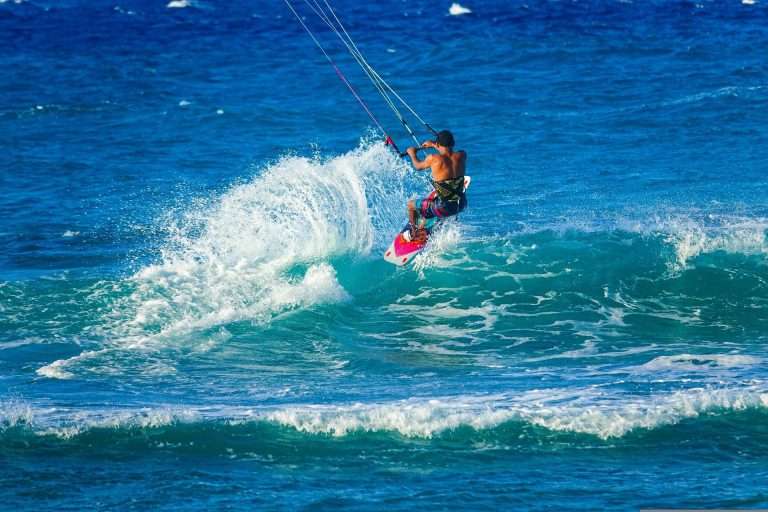
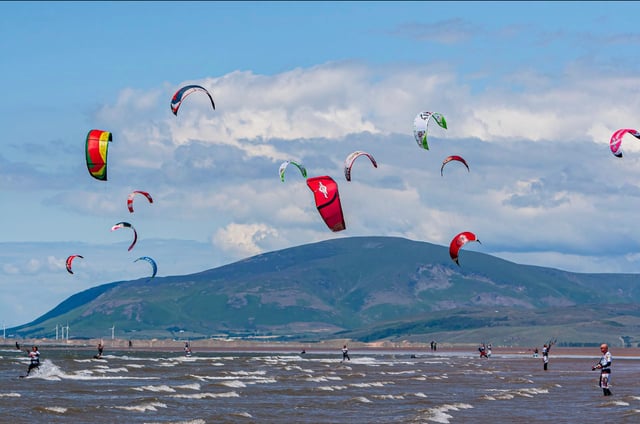
Kitesurfing is a wind-powered water sport where a rider uses a large controllable kite to harness wind energy and pull themselves across the water on a board. The sport combines kite control with board riding, requiring balance, timing, and an understanding of wind and water conditions. Riders can perform a range of moves, from basic gliding to jumps and tricks, on various water bodies including lakes, rivers, and coastal areas. The kite’s size and type, as well as the board design, vary depending on conditions and rider experience.
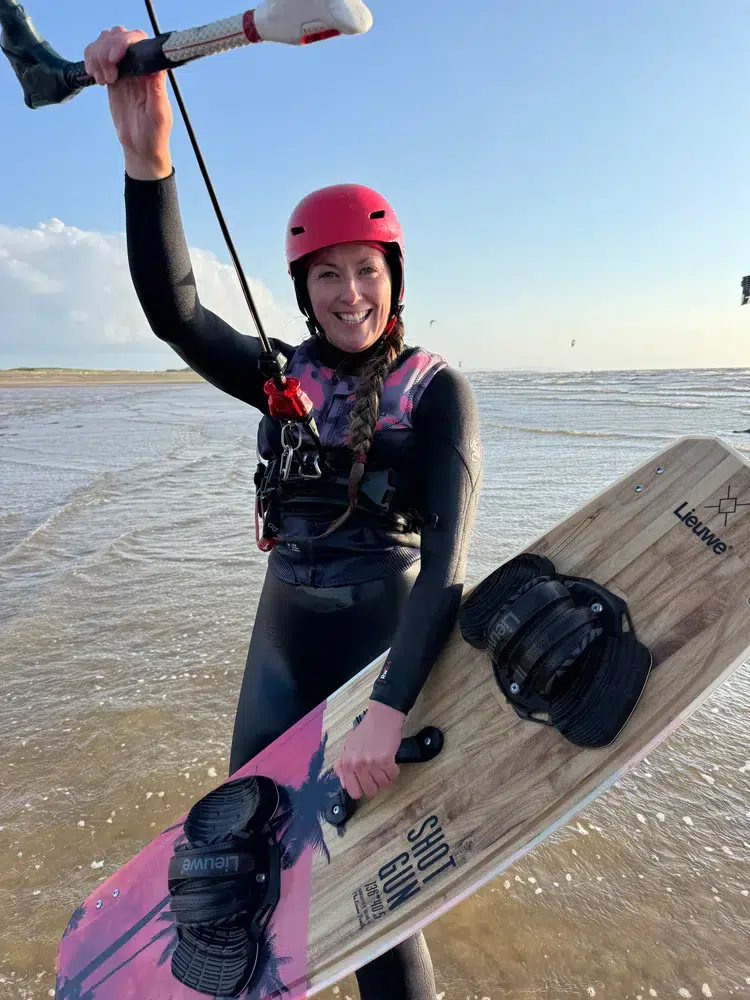
The main components are the kite, control bar, lines, harness, and board. The kite is steered via the control bar connected by lines, allowing the rider to adjust power and direction. Harnesses distribute the pull of the kite, reducing arm fatigue. Boards range from twin-tip shapes that allow easy directional changes to directional surfboards for wave riding. Mastering kitesurfing involves developing skills in kite flying, body positioning, water starts, edging, and navigating safely in changing wind and wave conditions.
Getting Started with Kitesurfing
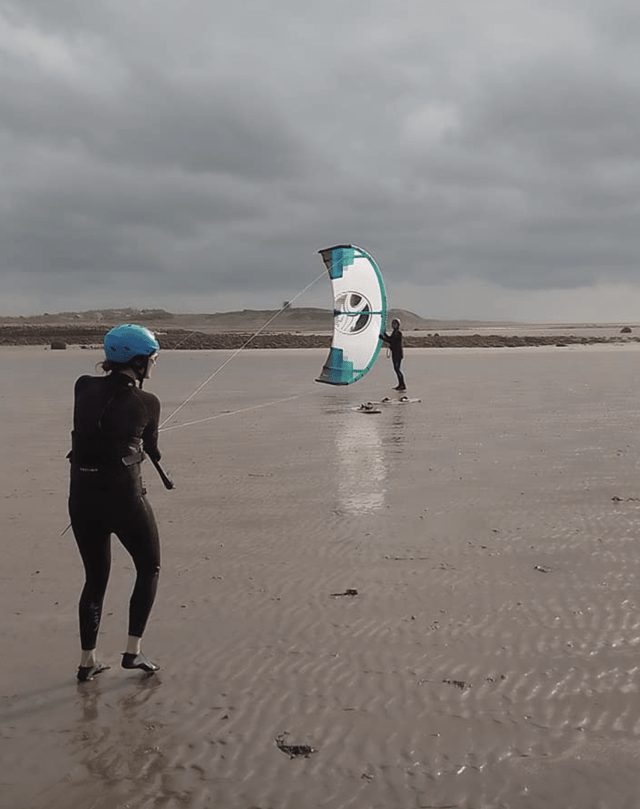
Most beginners start with lessons or taster sessions designed to teach basic kite control on land before moving into the water. These sessions cover safety procedures, kite launching and landing, wind awareness, and essential body positioning. Early practice includes flying a trainer kite to develop hand coordination and understanding wind behaviour. Water sessions introduce body dragging techniques (using the kite’s pull to move through water) and basic board riding once control improves.
Safety is emphasised at every stage, with instructors teaching how to depower the kite quickly, perform self-rescue, and understand local wind and water hazards. All necessary equipment is usually provided during lessons, so beginners do not need to invest in gear initially. Taster sessions offer a low-commitment way to experience the sport and assess if it suits you.
Progression, Safety, and Certification
Once basic skills are established, further lessons focus on riding upwind, improving turning techniques, and developing control in different wind and water conditions. Advanced courses include jumping, tricks, wave riding, and navigation skills for safe independent kitesurfing. Knowledge of weather patterns, wind ranges, and tide effects becomes increasingly important for safety and performance.
Safety equipment is essential and typically includes a helmet, impact vest or buoyancy aid, a harness with a quick-release system, and suitable wetsuits or drysuits depending on water temperature. Regular equipment checks and maintenance reduce risks. Understanding how to assess weather conditions and choosing appropriate kite sizes for wind strength are key safety factors.
Certification courses are available for various skill levels, confirming practical ability and theoretical knowledge. These qualifications help with hiring equipment, accessing certain kitesurfing sites, and sometimes insurance. Certifications also provide a structured training path and may lead to instructor qualifications for those interested in teaching.
Whether you’re trying a taster session or pursuing full training, kitesurfing combines technical skill with physical activity in a fun outdoor environment. It offers challenges and progression for all levels, alongside a community of riders sharing knowledge and experiences. Proper training and respect for conditions ensure a safe and rewarding experience on the water.