
Indoor Climbing in East Anglia
Norfolk Broads, Suffolk coast and lowland heaths. Focus on sailing, flat-water kayaking, long gravel rides across big-sky fens and dune-backed coastal walking.
Overview
What Is Indoor Climbing?
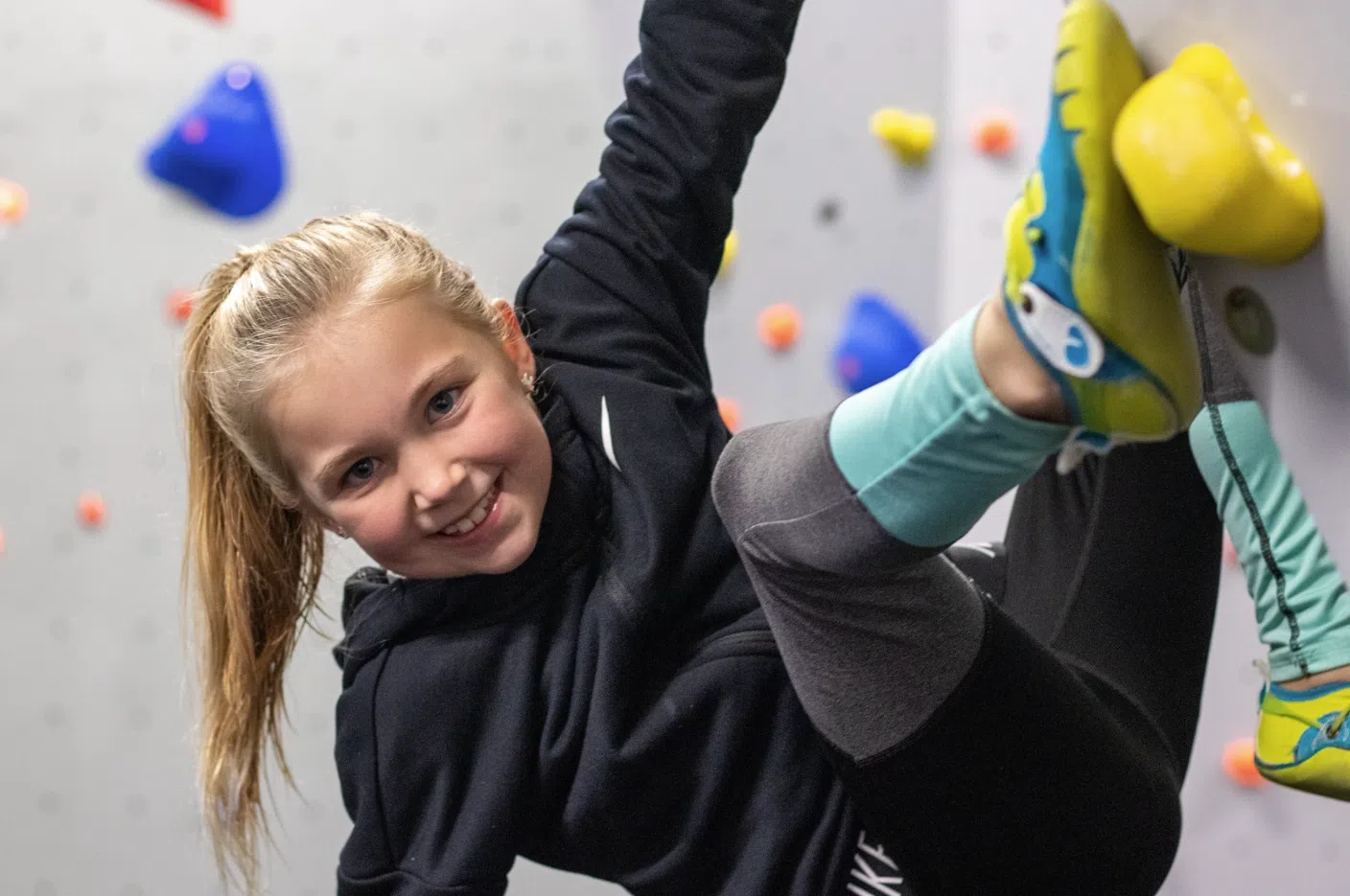
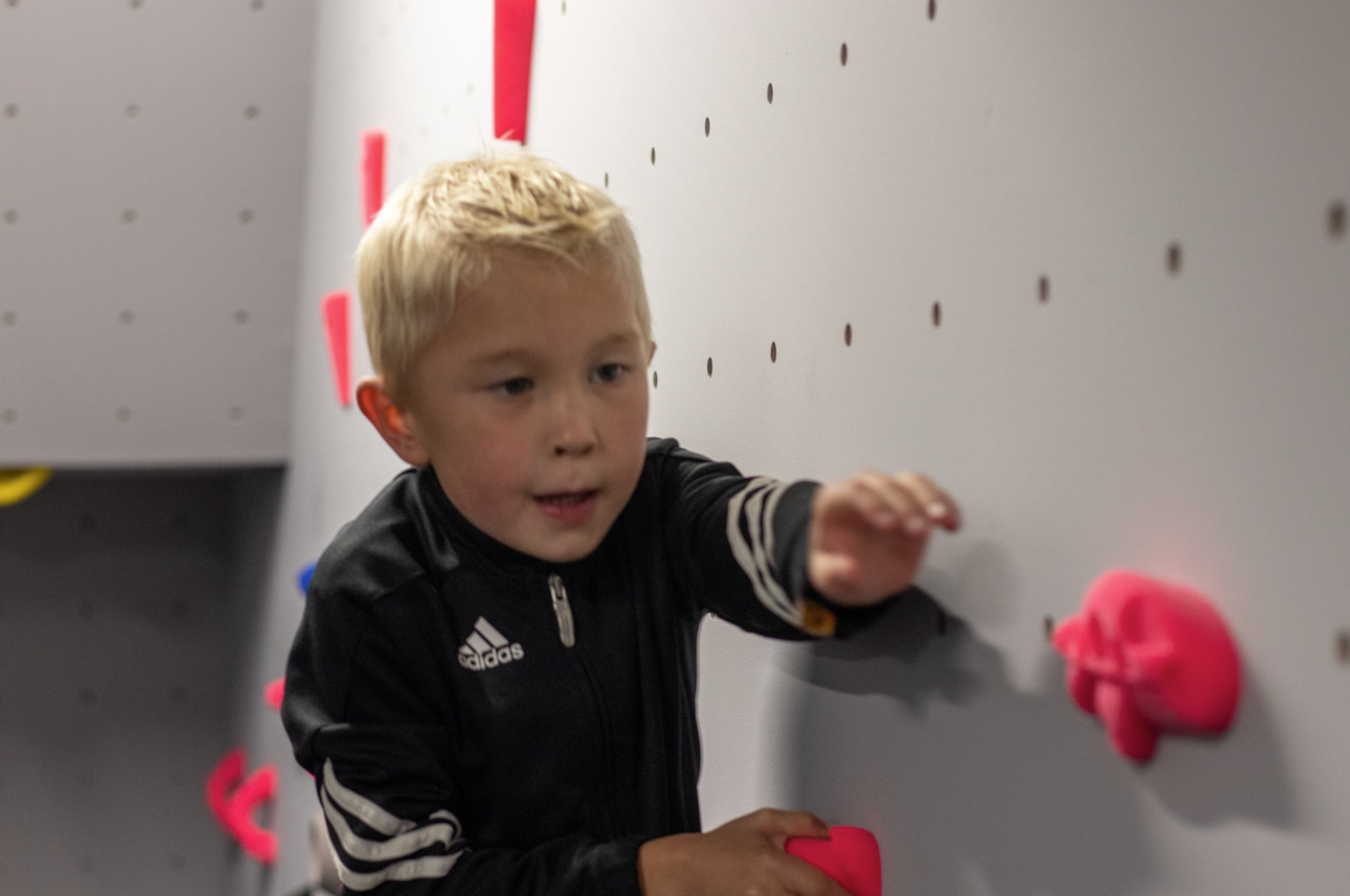
Indoor climbing is the practice of climbing artificial walls using fixed holds for hands and feet. It's done inside purpose-built centres, offering a safe and consistent environment regardless of weather. Routes are colour-coded by difficulty, so climbers can progress gradually and focus on building skills and strength.
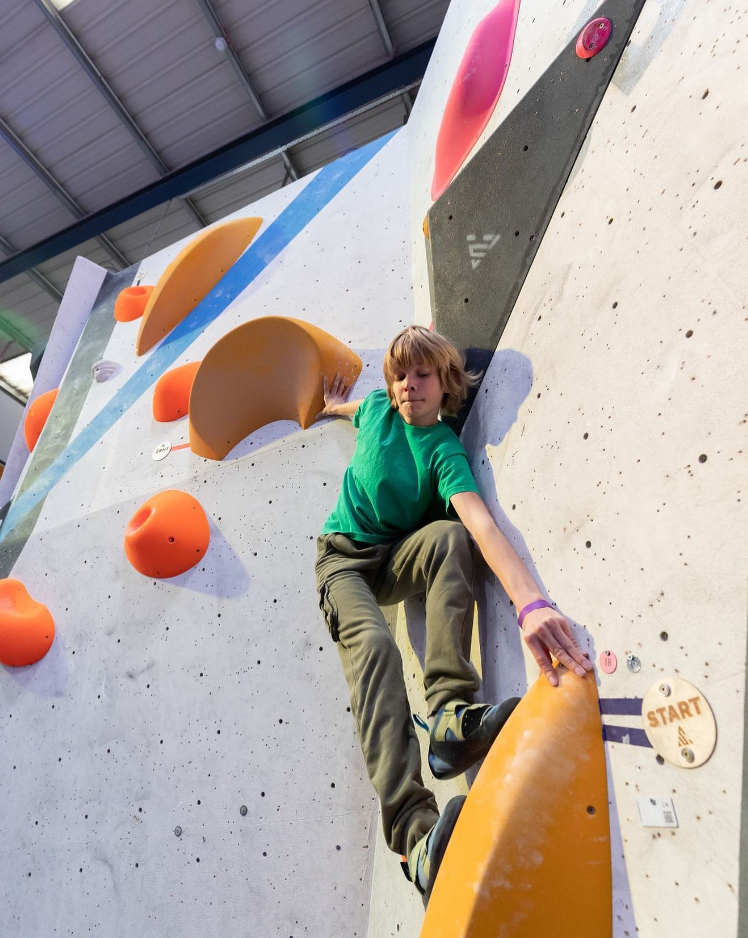
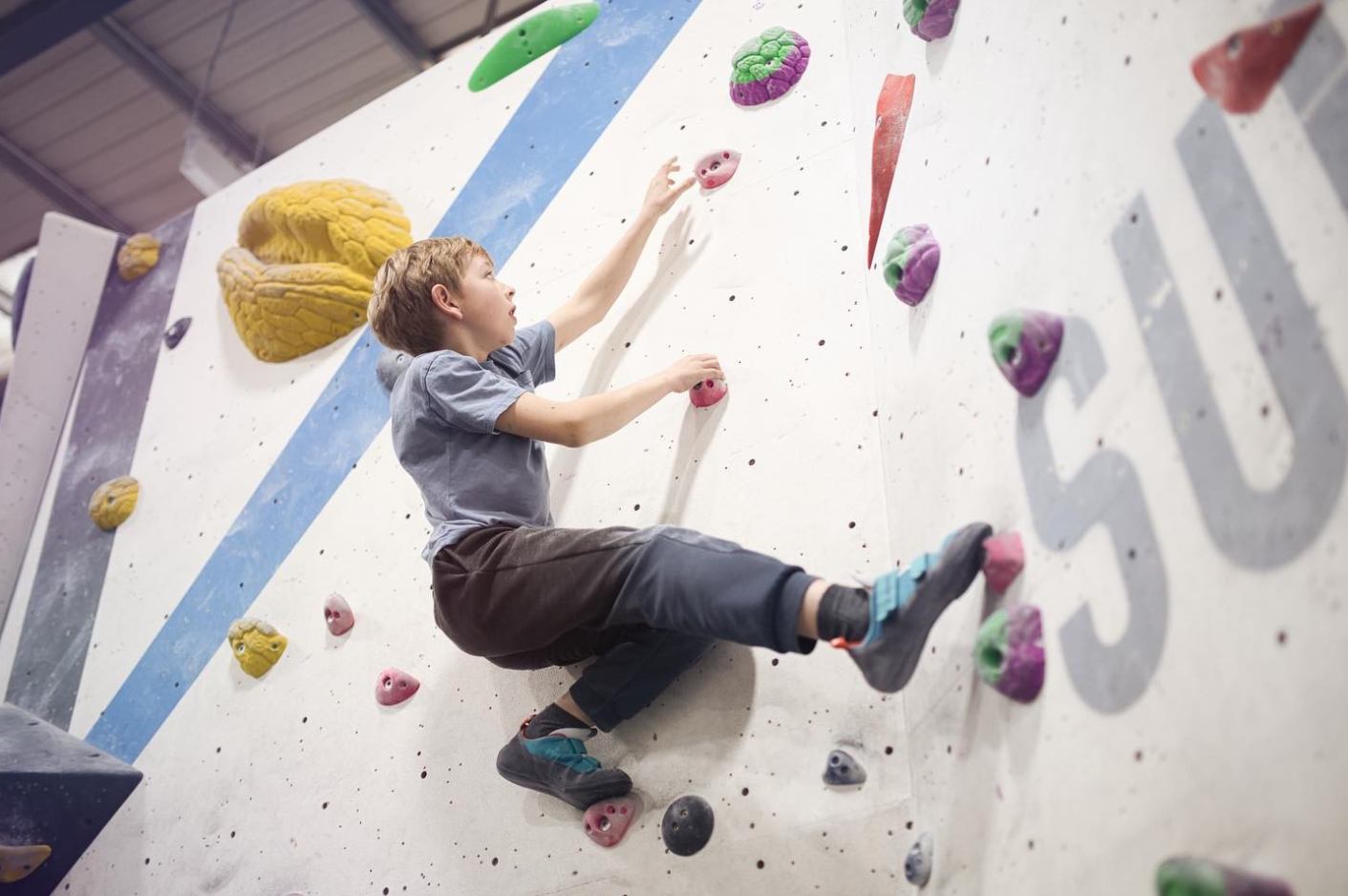
There are different types of indoor climbing. Bouldering involves short climbs without ropes, typically up to 4 metres high, with padded flooring to absorb falls. Top roping and lead climbing use harnesses and ropes for taller climbs, with an instructor or climbing partner managing the rope from the ground or as you climb. This variation allows participants to choose the type of climbing that suits their ability and confidence level.
What Does Indoor Climbing Involve?
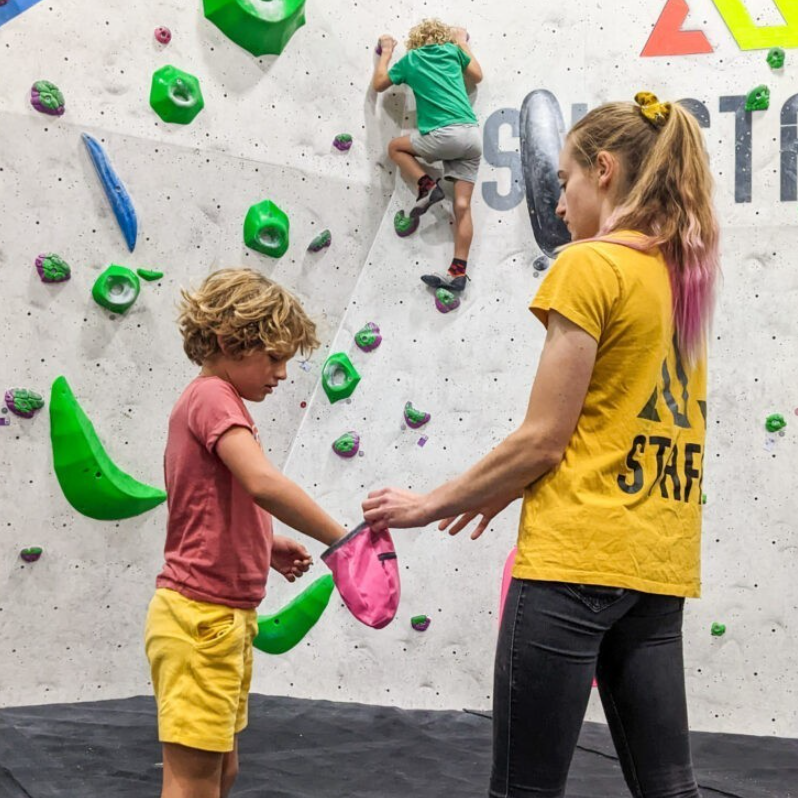
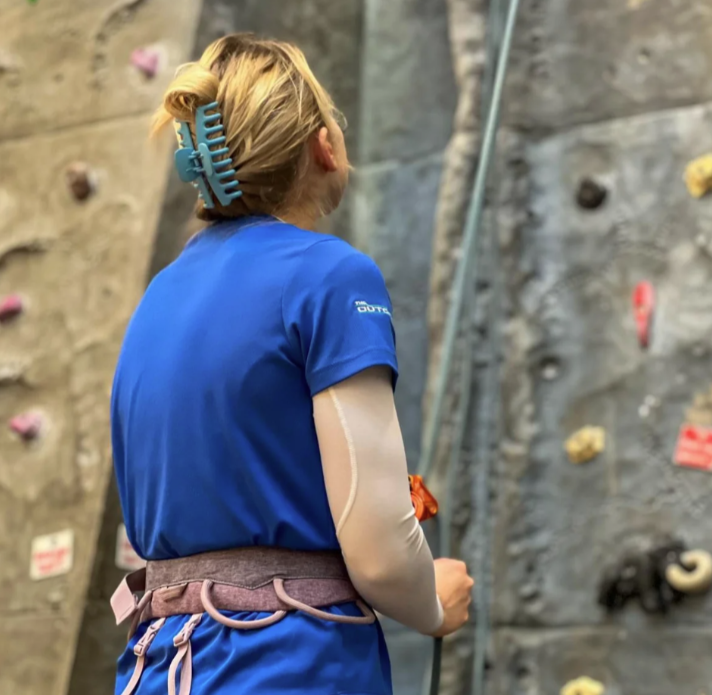
Beginners usually start with a safety briefing and basic instruction on how to use climbing holds, move efficiently, and fall or descend safely. Bouldering requires minimal equipment, often just climbing shoes and chalk. Roped climbing requires harnesses, belay devices, and ropes—usually provided by the centre. Most sessions are supervised or include a formal induction if it’s your first visit.
For those wanting to climb regularly or unsupervised, many centres offer beginner courses or certifications that teach rope skills, belaying, and safe climbing practices. Once qualified, climbers can use the facility independently or progress to advanced techniques, such as lead climbing or route setting.
Indoor climbing builds upper body and core strength, coordination, flexibility, and problem-solving ability. Routes are reset regularly to keep things fresh and provide new challenges. While it's often a solo sport in terms of climbing effort, it’s also social—climbers watch, discuss, and support each other on routes.
Many people use indoor climbing as a gateway into outdoor climbing, using the indoor environment to learn rope systems, anchor techniques, and movement fundamentals. Others climb purely indoors as a hobby, workout, or part of a group activity. Climbing walls are also widely used in schools, corporate settings, and therapeutic programmes due to the physical and mental benefits.
Sessions can range from open climbing access to structured lessons, coaching programmes, or competitions. Equipment can be hired on-site, and most venues offer beginner-friendly routes as well as advanced climbs for experienced users. Whether you're trying it once or aiming to improve over time, indoor climbing is an efficient way to learn, train, and enjoy the sport safely.