What is Hang-Gliding?
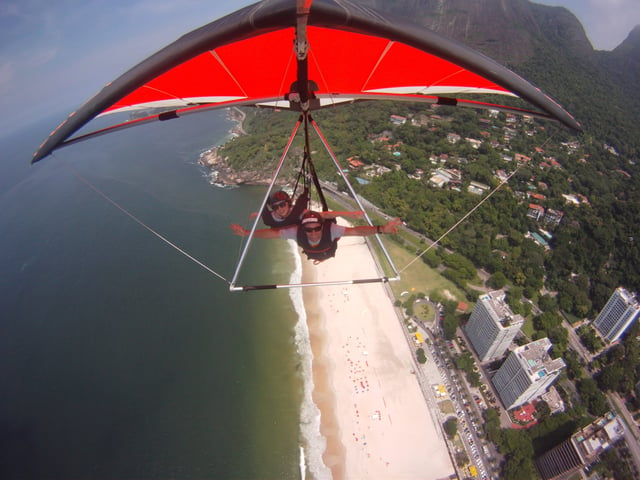
Hang-gliding is a form of unpowered flight where a pilot flies a lightweight, non-motorised glider designed for sustained flight by using natural air currents. The glider is typically made from an aluminium frame covered with a strong, aerodynamic fabric that forms a wing surface. This wing shape generates lift when air moves over it, allowing the pilot to stay aloft. Launching usually takes place from elevated points such as hills, ridges, or cliffs, or by being towed into the air by a vehicle or winch. Once airborne, the pilot is suspended in a harness beneath the wing and controls the glider by shifting their body weight relative to a control frame, known as the control bar. This weight-shift control system allows for adjustments in pitch, roll, and yaw, enabling the pilot to steer, climb, or descend.
The key principle behind hang-gliding is utilising the natural environment—specifically wind and thermal air currents—to extend flight time and distance. Thermals are columns of rising warm air created by uneven heating of the earth’s surface. By finding and circling within these thermals, pilots can gain altitude without any engine power. Ridge lift is another useful phenomenon where wind is forced upward by a slope or cliff, providing additional lift to the glider. Successful pilots develop skills to identify these lift sources and use them effectively. Depending on weather conditions and pilot technique, flights can range from short glides lasting a few minutes to hours of continuous flying, covering significant distances.
How Hang-Gliding Works
After take-off, pilots manage their flight path primarily through weight-shift control. By moving their body forward, backward, or sideways on the control frame, the pilot changes the glider’s angle of attack and direction. Leaning forward typically increases speed and lowers the nose, while leaning back slows the glider and raises the nose. Shifting weight left or right causes the wing to tilt, initiating turns. This intuitive control system requires coordination and balance, allowing the pilot to respond quickly to changing air conditions.
Navigating through the sky involves a good understanding of meteorology and aerodynamics. Pilots constantly scan the environment to locate thermals, updrafts, and wind patterns. Circling tightly within a thermal allows the glider to gain altitude, often reaching heights where longer flights become possible. Conversely, descending must be managed carefully to ensure a controlled approach to landing. Choosing a suitable landing site is critical for safety, requiring clear space free of obstacles such as trees or power lines.
Landings in hang-gliding involve a gradual descent and flare manoeuvre, where the pilot raises the nose of the glider just before touchdown to reduce speed and ensure a smooth landing on foot. This requires timing and precision to avoid hard or unstable landings.
Overall, hang-gliding combines elements of physical skill, environmental awareness, and technical knowledge. It demands an ability to read the weather and terrain and apply aerodynamic principles to maintain stable and efficient flight. While the basic concept is simple—gliding through the air using a fabric wing—the execution involves complex interaction between pilot input and atmospheric conditions. This blend of factors makes hang-gliding a dynamic and engaging air sport that offers a distinctive way to experience flight without engines.