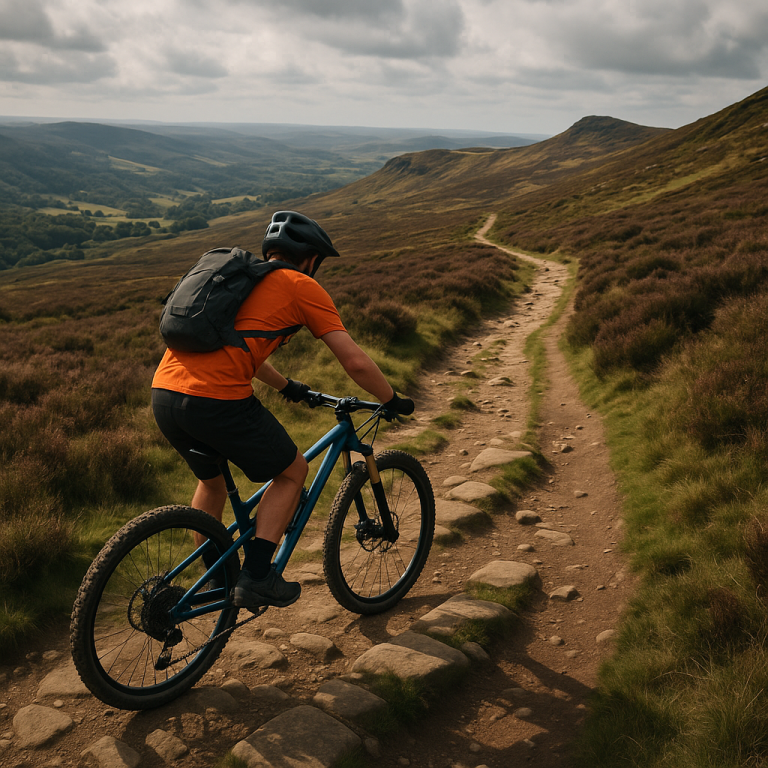
Mountain Biking in the Peak District: A Guide for Expert Riders
The Peak District is probably the best mountain biking destination in the UK due to its connectivity, diverse terrain and EXCELLENT pubs.

Santa Cruz tortoise farms and sheltered coves. Day-sail Turtle Bay, gravel-bike highlands, beginner surf at Tortuga Bay.
No activities match your filters
Try adjusting your filters or
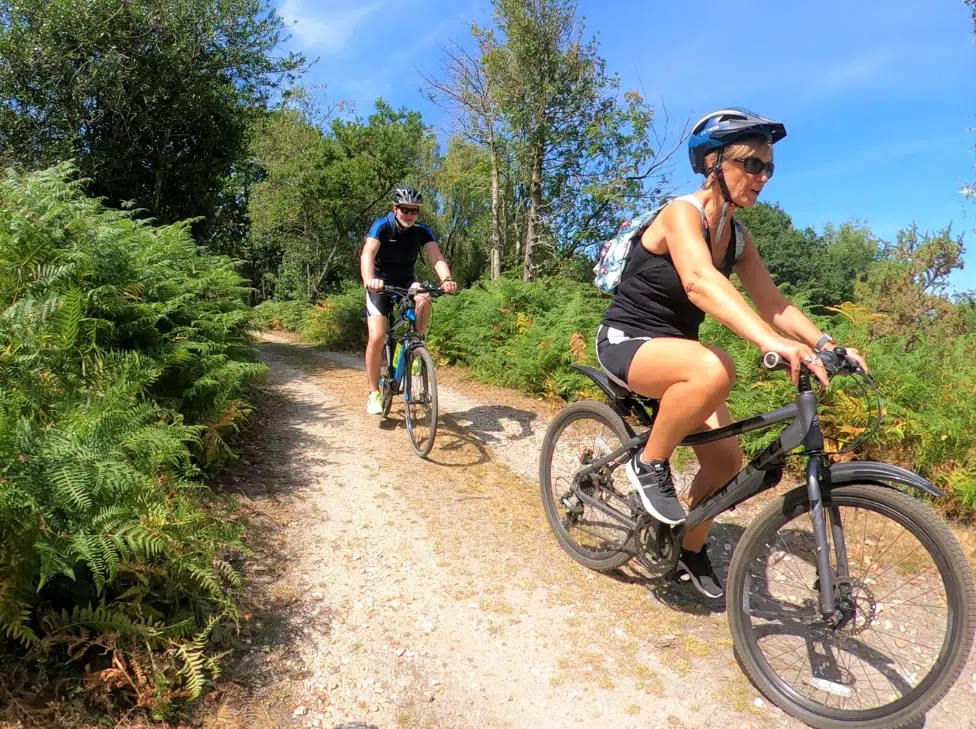
Gravel biking sits between road cycling and mountain biking. It uses bikes designed to handle loose, uneven surfaces while still being fast and efficient. These bikes often have wider tyres than road bikes for extra grip and comfort, disc brakes for better stopping power in rough conditions, and a more relaxed geometry for long days in the saddle. Most gravel routes involve a mix of terrain — compacted tracks, towpaths, fire roads, grassy trails and sometimes stretches of quiet tarmac — so riders can explore further without worrying about traffic or getting too technical.
Unlike road cycling, gravel rides aren’t about staying on a set path. The routes tend to be quieter, more varied and more scenic. And compared to mountain biking, gravel riding doesn’t usually involve jumps, rock gardens or steep descents — making it more accessible to a wider range of riders. That said, routes can be made as gentle or as challenging as you like, with plenty of room for progression. It’s also a highly social type of riding, often done in small groups with a more relaxed pace than a club road ride.
Gravel bikes are increasingly popular because of their versatility — equally suited to adventure rides, fitness, bikepacking and everyday use. Many people new to cycling find them to be a comfortable entry point that allows for confident riding across a wide range of conditions. Sessions with a qualified guide or instructor are the best way to get started. You’ll learn how to handle the bike on loose ground, how to choose lines and read terrain, and build your confidence on longer rides with mixed conditions.
If you’re new to gravel biking, a session will usually begin with a short skills check and bike set-up. Instructors will make sure you’re comfortable, help with seat height and tyre pressure, and explain how to shift gears efficiently on different terrain. You’ll start with flat gravel tracks and progress to more uneven sections, learning how to control speed, pick safe lines and stay relaxed on loose surfaces. These sessions are structured to suit ability — whether you're a complete beginner or a road cyclist looking to move off-tarmac.
For more advanced riders, sessions may include route planning, climbing and descending techniques, bike maintenance tips specific to gravel setups, and longer guided rides to build endurance and navigation skills. Group rides often include a mix of technical support, riding tips, and social stops. Some providers also offer gravel bike hire, so you don’t need to own your own to take part. Multi-day options and bikepacking tasters are also available for those looking to explore further afield with expert guidance.
Whether you're interested in getting fitter, building confidence on different surfaces, or just want to enjoy a more relaxed, scenic ride with less traffic, gravel biking offers a great balance. Taking part in a guided session or course is one of the easiest and safest ways to get started — with the added benefit of professional support and local knowledge to make the most of your time in the saddle.
