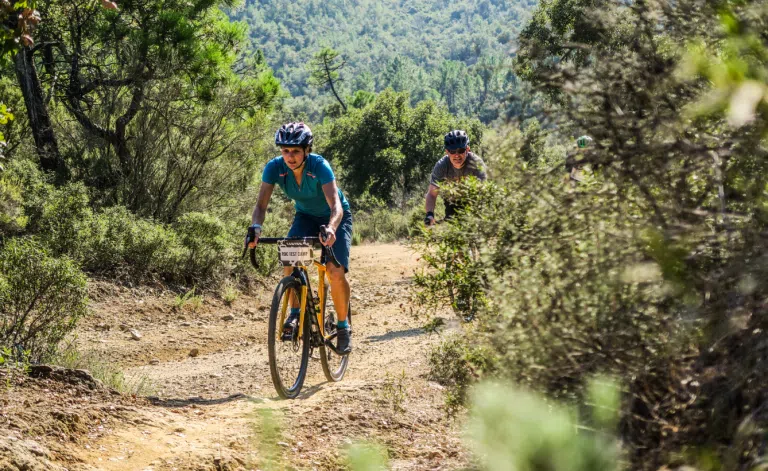
What is Bikepacking?
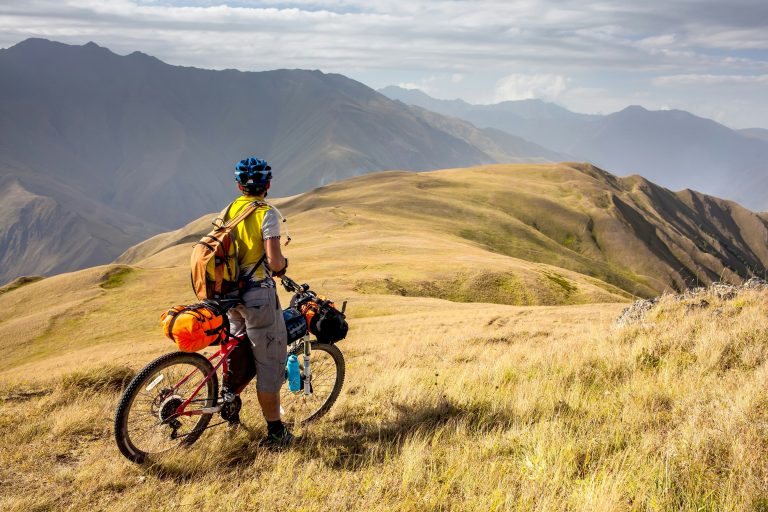
Bikepacking is a style of cycling that blends mountain biking or gravel riding with minimalist camping. Unlike traditional cycle touring, which often uses heavy panniers and road routes, bikepacking emphasises lightweight gear packed tightly on the bike frame, handlebars, and seat post. This setup allows riders to tackle a mix of surfaces—from gravel roads and singletrack trails to forest paths—making it popular for exploring off-the-beaten-path areas.
Riders carry essential items such as shelter, sleeping bags, cooking equipment, food, and clothing, but the focus is on carrying only what’s necessary to stay mobile and agile. This self-supported nature means bikepackers often navigate remote areas without nearby services, relying on navigation skills and planning to manage their food and water supply. Bikepacking appeals to those who enjoy endurance cycling, adventure, and the challenge of being fully self-reliant on the move.
What Should I Expect?
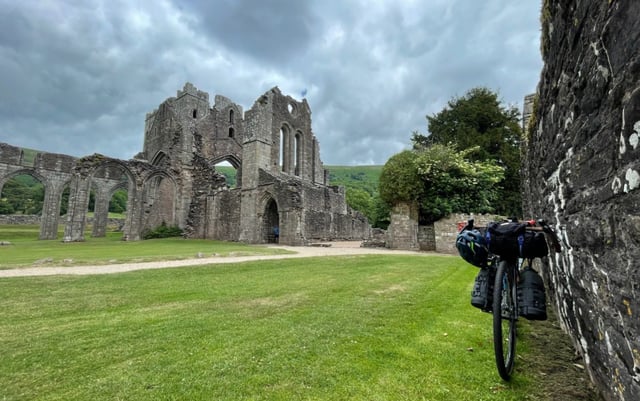
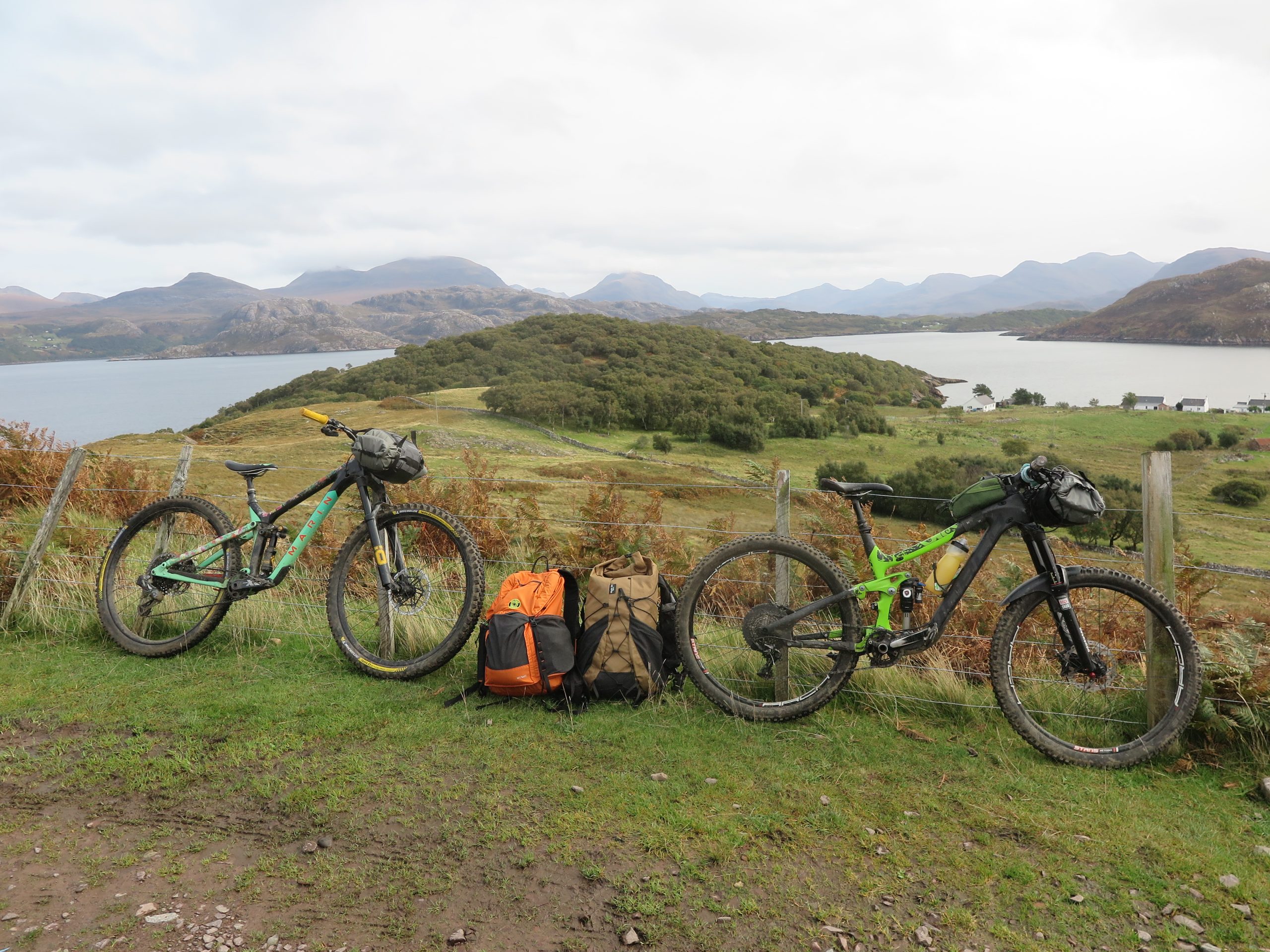
Starting bikepacking involves choosing the right bike and gear tailored to the terrain and length of the trip. Many use gravel or mountain bikes equipped with sturdy frames and multiple mounting points for bags. The bikepacking bags are designed to fit securely and keep weight balanced, with frame bags fitting inside the main triangle, handlebar rolls for bulky but light items, and seat packs for sleeping kits.
Trips can last from a single night to several weeks, depending on fitness and goals. Planning routes requires attention to the availability of water sources, resupply points, and suitable camping spots. Because bikepacking routes often include rough terrain, a basic level of mountain biking skill is helpful. Riders should also prepare for mechanical issues by carrying repair kits and knowing simple bike maintenance.
Bikepacking encourages a slower pace than road cycling, with an emphasis on enjoying the landscape and being flexible with daily distances. It’s a great way to explore wilderness areas and meet like-minded riders through organised events or informal group rides. Beginners are advised to start with short overnight trips to learn gear setup, packing efficiency, and route planning before taking on longer adventures.