We partner with Rewilding Britain to help protect our natural spaces for future adventures.
All centres are vetted for safety and quality. Your adventure is in good hands with adventuro.
About the centre
Paguera
Operated by Climb Mallorca, a partner of adventuro.
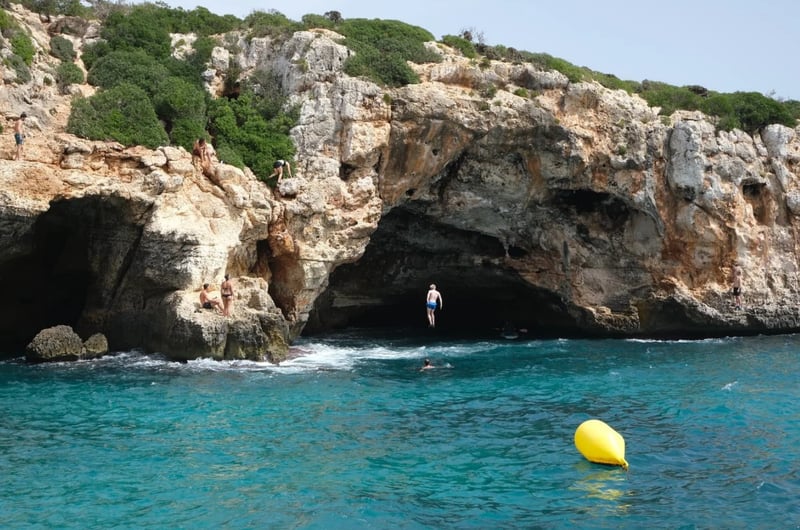
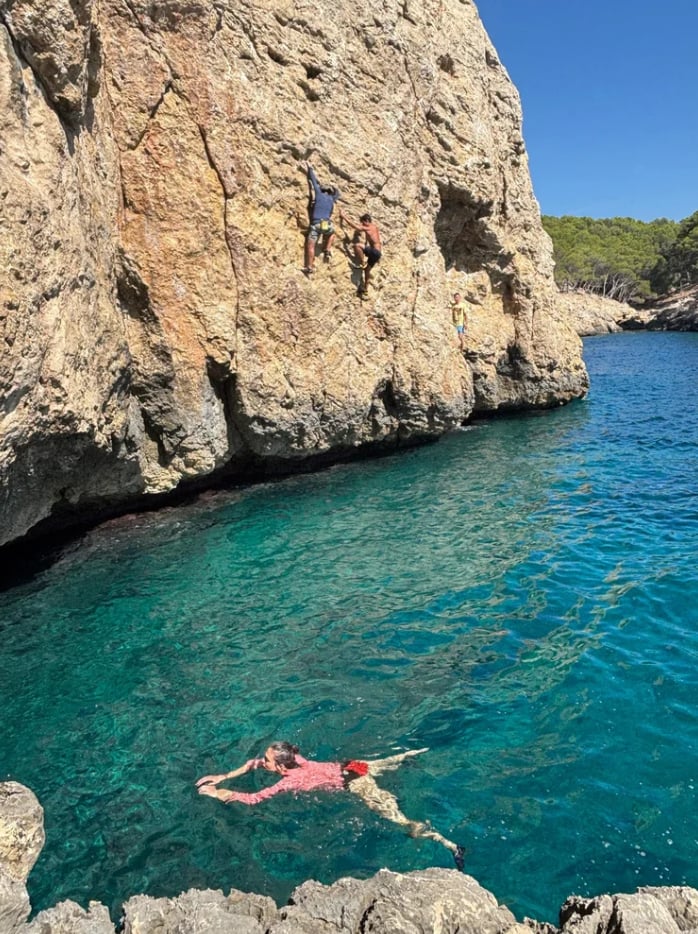
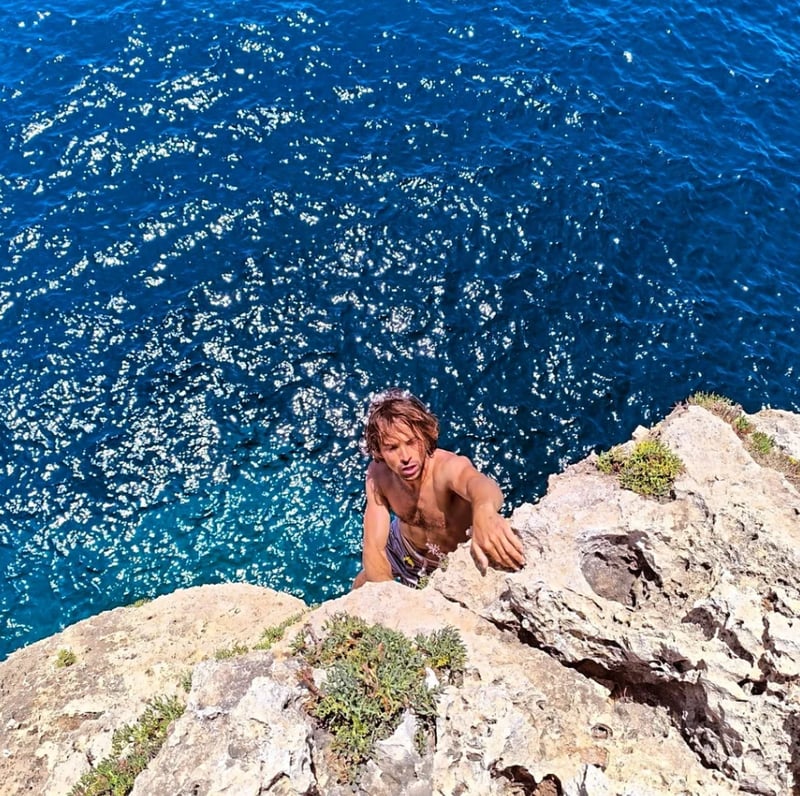
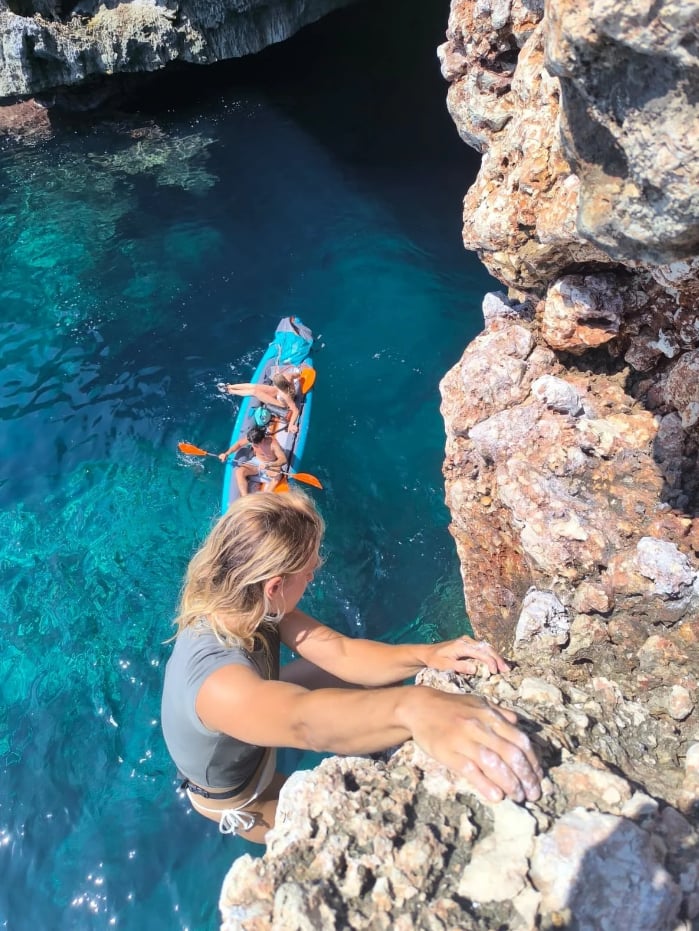
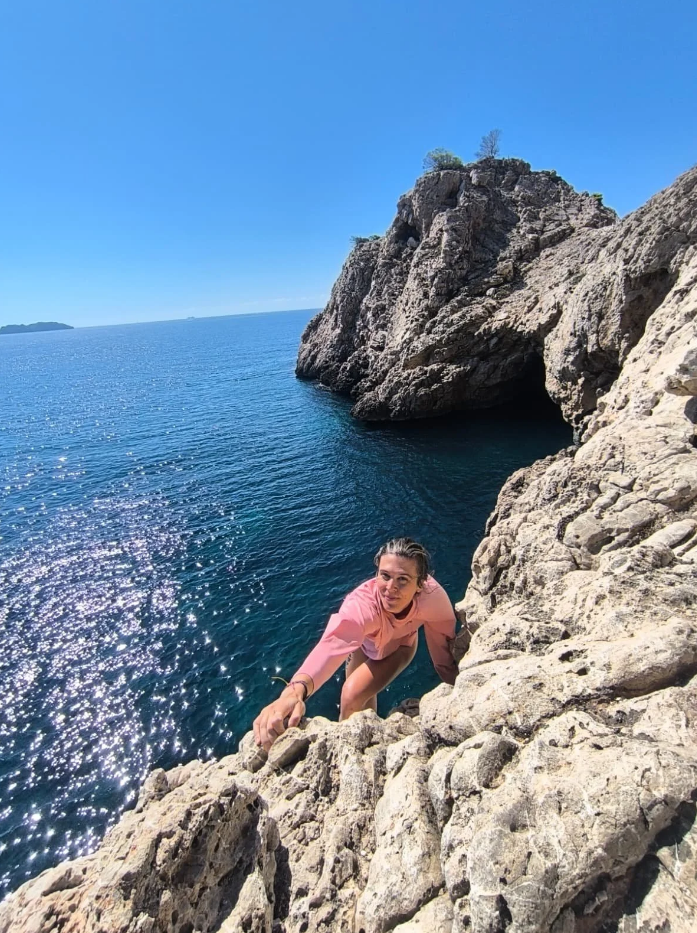
Climb straight above the sea with no ropes, where the water below becomes your landing. This is one of the most unique ways to experience climbing, combining movement on rock with the freedom of being over open water. It’s fun, different, and accessible whether it’s your first time or you already climb.
Arriving at the chosen coastal spot, your guide will brief you on how deep water soloing works, including safe entry into the water and how to approach the climbs. After getting comfortable, you’ll start on easier routes close to the water, building confidence with the movement and the idea of falling safely into the sea.
As the session progresses, you can try more varied lines, climbing higher above the water if you feel ready. The experience is very flexible, so you can take it at your own pace, repeat routes, or simply enjoy the mix of climbing and swimming. Your guide will offer tips along the way to help you move more efficiently and feel more confident on the rock.
Between climbs, there’s time to rest, cool off in the water, and enjoy the setting. The location is chosen based on sea conditions and your level, meaning each session is adapted to give you the best possible experience on the day.
Deep water soloing takes place at coastal cliffs around the island, with locations chosen depending on sea conditions. Popular areas include spots near Palma, Paguera, and other sheltered bays where the water is deep and suitable for climbing.
Because conditions can change, the exact location is confirmed closer to the session. This flexibility allows your guide to select the safest and most enjoyable spot, ensuring good water conditions and suitable routes for your level.
No previous climbing experience is required, and beginners are welcome. The session is designed to introduce you gradually, with clear guidance so you can build confidence both on the rock and above the water.
You should be comfortable swimming and being in the sea, as this is an essential part of the experience. A basic level of fitness is recommended, but the session can be adapted to suit your ability.
Guided by Noé, who has spent over 15 years climbing and exploring the island, each session is shaped by local knowledge and a focus on creating a personalised experience. His background in Physical Education helps ensure that instruction is clear, practical, and suited to your level.
There is also a strong emphasis on keeping things small and personal, avoiding large groups and focusing on quality time on the rock. Alongside this, care for the natural environment is always a priority, helping preserve these coastal areas while allowing you to experience them in a responsible way.
No prior experience is needed to take part. The session is designed so complete beginners can learn the basics in a safe and controlled way, starting on easier routes close to the water.
If you already climb, you can use the session to try more challenging lines and develop your technique without ropes. The guide will adapt everything to suit your level.
Yes, when done correctly, falling into the water is a normal and safe part of the experience. Your guide will explain how to enter the water properly to reduce impact and avoid injury.
All climbing spots are chosen carefully to ensure there is enough depth and safe conditions below. You’ll always be guided on where and how to fall safely.
You should feel comfortable swimming and being in the sea, as you’ll be getting in and out of the water multiple times during the session.
You don’t need to be an advanced swimmer, but basic confidence in the water is important to fully enjoy the experience.
You can choose how high you want to climb. Beginners often stay closer to the water, while more confident climbers may go higher.
There’s no pressure to climb high, and you can progress at your own pace throughout the session.
Locations vary depending on sea conditions, with common areas including coastal cliffs near Palma and Paguera.
The exact spot is selected on the day to ensure safe water conditions and the best possible climbing experience.
You should wear comfortable clothing suitable for both climbing and getting wet. Swimwear or quick-drying sportswear works well.
You’ll also need suitable footwear for the approach, such as trainers or hiking shoes.
Yes, all necessary equipment is provided, including helmet, harness, and climbing shoes if needed.
Even though ropes are not used for climbing, safety equipment is still used where appropriate and for certain situations.
Derbyshire and Nottinghamshire, United Kingdom
From £300