Certifications12 Oct 2023-7 min read
What PADI Course Should You Do? And Other FAQs Answered
Confused about where to start your scuba journey or what the next step after open water is? We answer all your questions here.
This section builds your understanding of the principles and theory behind scuba diving. It can be completed through in-person instruction, e-learning, or a combination of both. Topics include:
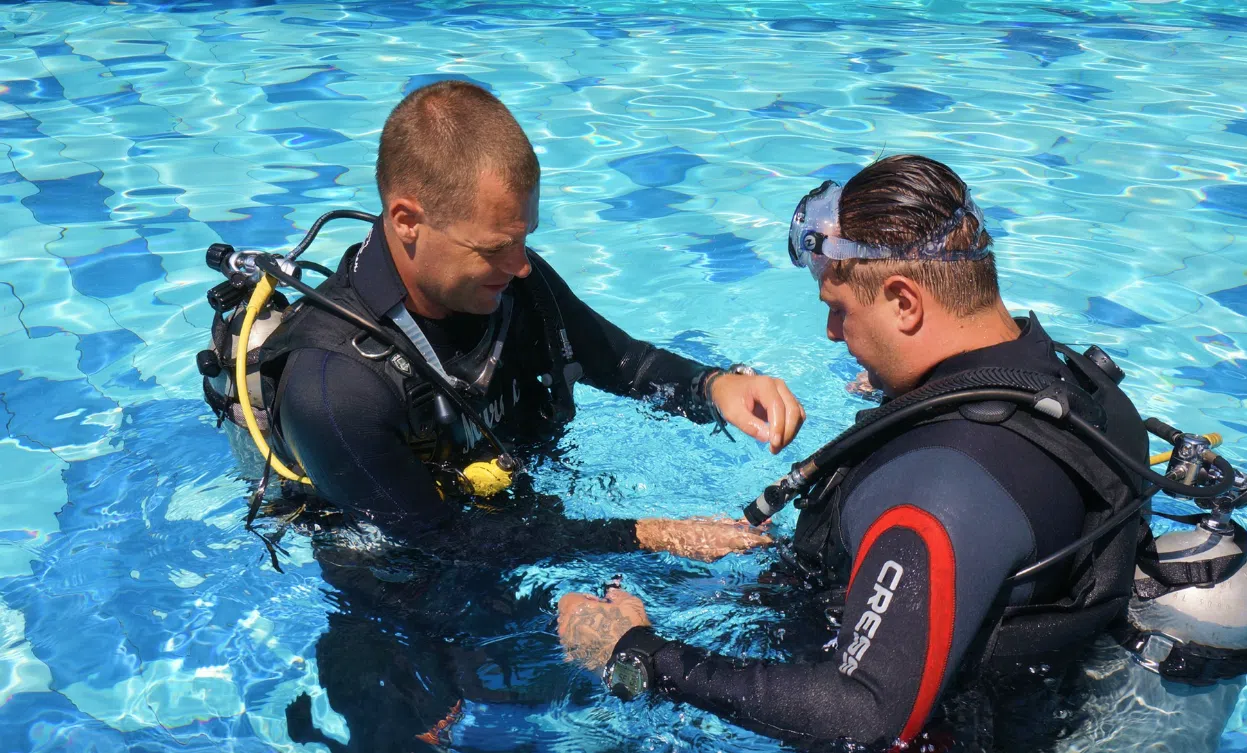
Usually conducted in a pool or calm, shallow water, these sessions teach and practise essential scuba skills in a controlled environment. You’ll learn how to:
The final part of the course consists of four dives in open water – typically a lake, quarry, or the sea. You’ll demonstrate the skills you’ve practised in confined water and gain real-world experience under instructor supervision. These dives help build your confidence and prepare you for independent diving. Typical open water dive tasks include:
You’ll take a final multiple-choice exam (for PADI) or online quizzes (for SSI) to confirm your understanding of dive theory. Your instructor will also assess your practical skills during each in-water session.
Once certified, you’re ready to start your diving journey – and adventuro has hundreds of options to help you continue.
Guides and stories related to this certification.
With an Open Water Diver certification from PADI or SSI, you are qualified to dive independently (with a certified buddy) to depths of up to 18 m / 60 ft, in conditions similar to those in which you were trained. This means you can join recreational dive trips, rent scuba equipment, and explore dive sites around the world.
You’ll also be eligible to enrol in more advanced courses, such as Advanced Open Water Diver or specialty courses like underwater photography, buoyancy control, or wreck diving. Many dive centres and liveaboards require at least this level of certification to participate in group dives.
It’s your passport to the global diving community, whether you're exploring tropical reefs, UK quarries, or marine reserves. And with adventuro, you can browse hundreds of follow-on courses, guided dives, and gear rentals once you're certified.
The Open Water Diver course typically takes 3 to 4 days to complete, depending on the training centre and schedule. It includes knowledge development (either classroom or e-learning), five confined water sessions, and four open water dives. Some centres offer flexible or weekend formats to suit your availability.
The Open Water Diver course from PADI or SSI is a performance-based certification that combines confined water training, knowledge development, and open water dives. You'll need to demonstrate mastery of essential scuba skills like mask clearing, buoyancy control, underwater communication, and emergency procedures. Knowledge is evaluated through quizzes and a final exam, while in-water skills are assessed by your instructor during four open water dives. Most people complete the course in 3–4 days, but it can vary by location. If you're not quite ready, instructors can offer extra practice sessions. Once certified, you're qualified to dive to 18 metres (60 feet) with a buddy, anywhere in the world. You can browse and book training centres worldwide on adventuro.
Quick answers about this qualification. For anything else, use live chat or browse bookable activities below.
Find activitiesBoth PADI and SSI offer globally recognised Open Water Diver certifications. The core training and qualification standards are similar, as both follow the ISO standards for recreational diving. The main differences come down to the teaching style and digital platforms—SSI offers more flexible digital materials, while PADI often uses set course structures. Your certification will be accepted worldwide, no matter which agency you choose.
You don’t need to be a competitive swimmer, but you do need basic water comfort. Both PADI and SSI require you to swim 200 metres (or 300 metres with mask, fins and snorkel) without stopping, and float or tread water for 10 minutes. You won’t need to swim fast—just show you can stay afloat calmly and confidently.
Once certified, you’ll be qualified to dive to a maximum depth of 18 metres (60 feet) with a buddy. This depth limit is standard for recreational divers at the entry level. If you want to go deeper later on, you can take additional training like the Advanced Open Water Diver course.
Most Open Water Diver courses take 3–4 days to complete. This includes classroom or online learning, confined water (pool) sessions, and four open water dives. Some dive centres offer flexible schedules or eLearning options so you can complete the theory portion at home before heading to the water. You can explore options and schedules on adventuro.
Yes—safety is a top priority. Instructors are trained to teach at your pace, and there are strict standards in place for all skills and dive conditions. You’ll start in shallow, controlled environments before heading into open water. If you have any medical conditions, it’s important to consult a doctor and fill out the diver medical form before participating.
Most Open Water courses include all instruction, equipment rental, certification fees, and course materials (digital or printed). Some centres also include eLearning and transport to dive sites. Always check what’s included when you book—adventuro’s listings provide detailed breakdowns so you know exactly what to expect.
Absolutely. Many people earn their Open Water Diver certification while on holiday. You can choose from dive centres all over the world, from tropical reefs to inland lakes. Adventuro lets you browse destinations and book certified centres with trusted instructors, so you can plan ahead with confidence.
Yes, you’ll complete a final written exam (or online test) covering dive theory, safety protocols, and equipment basics. Don’t worry—it’s designed to reinforce what you’ve already learned. You’ll also complete quizzes and knowledge reviews as you go, so you’ll be well prepared by the time you sit the final test.
It’s totally normal to need extra time with some skills, especially things like mask clearing or buoyancy control. Instructors are used to helping students at all levels and will work with you until you’re confident. Some centres may offer extra pool sessions or dives for a small fee if needed.

From £ 350
Soho, London

From £ 275
Surrey, East and West Sussex, United Kingdom
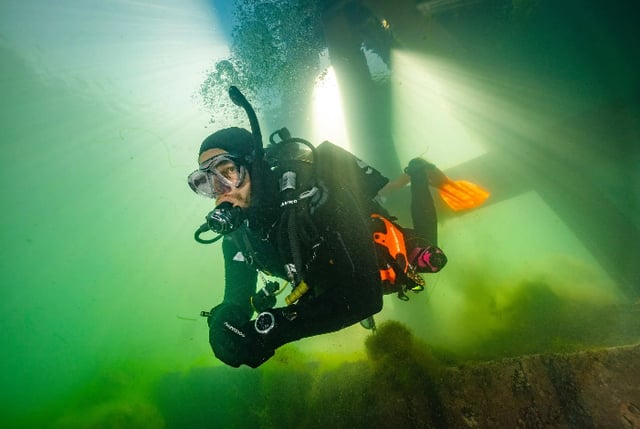
From £ 600
Surrey, East and West Sussex, United Kingdom
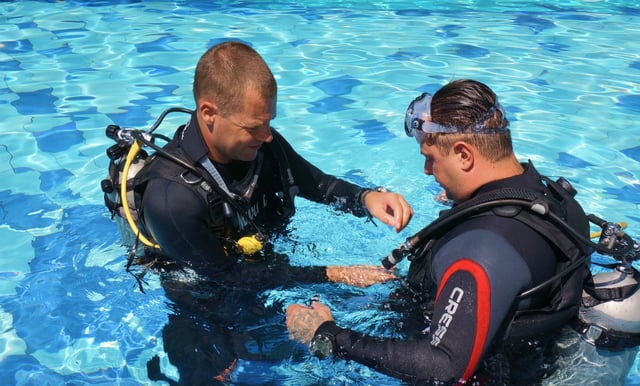
From $ 530
Minahasa Regency, North Sulawesi
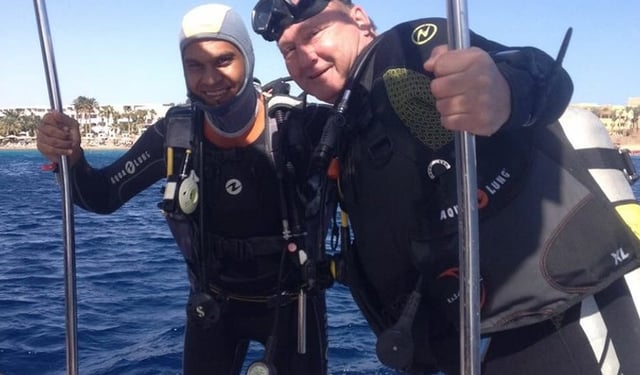
From $ 543
Red Sea, Egypt
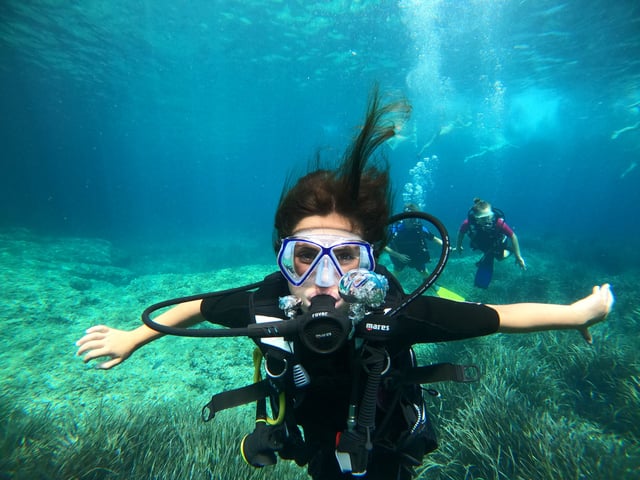
From € 415
Mallorca, Spain
From £ 1164
Surrey, East and West Sussex, United Kingdom
From £ 445
Northumberland and Tyne and Wear, United Kingdom
From £ 445
Northumberland and Tyne and Wear, United Kingdom
From £ 445
Northumberland and Tyne and Wear, United Kingdom
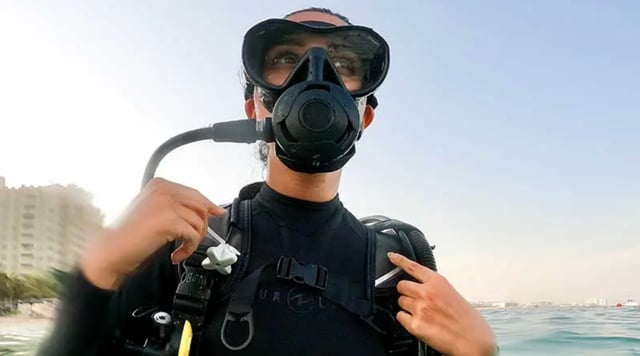
From Dhs 1252
Dubai, United Arab Emirates

From £ 650
Greater Manchester, United Kingdom
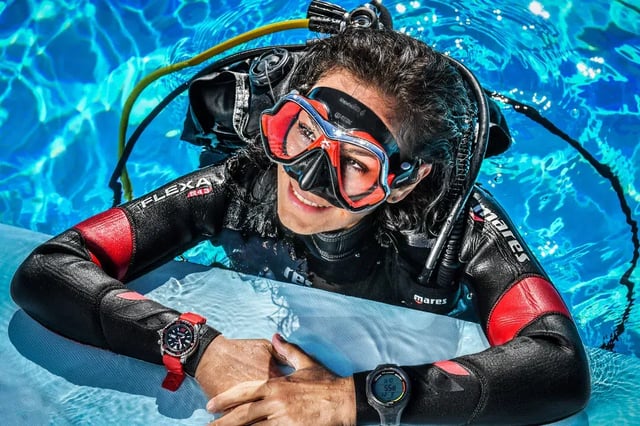
From € 439
Madeira, Portugal
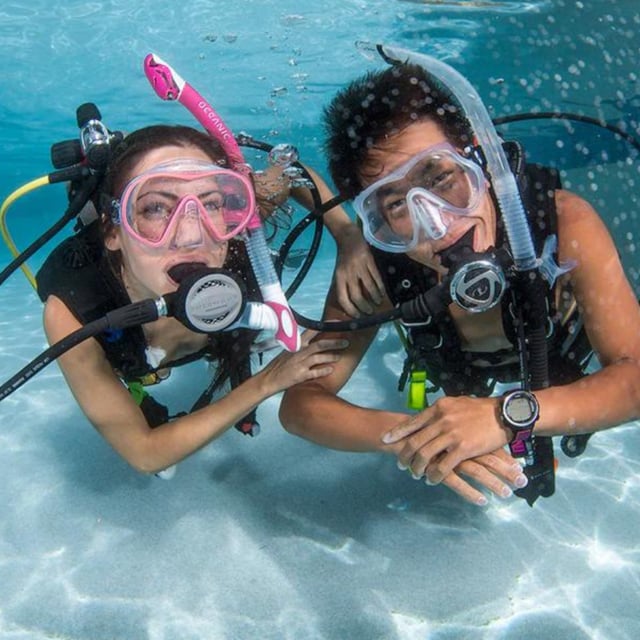
From £ 575
Gloucestershire and Wiltshire, United Kingdom
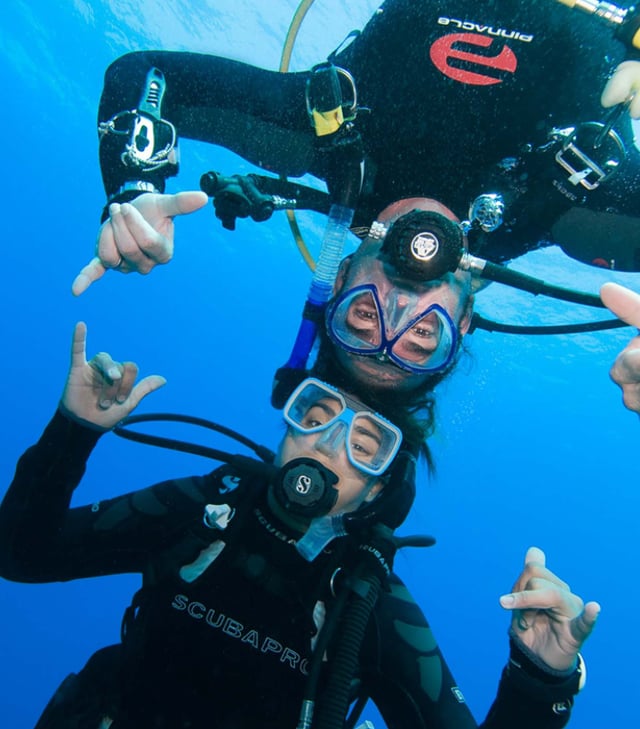
From £ 1775
Soho, London

From £ 645
Bedfordshire and Hertfordshire, United Kingdom

From € 460
Sardegna (Sardinia), Italy

From $ 260
Ingleton, Carnforth