
Ready to find a course or session?
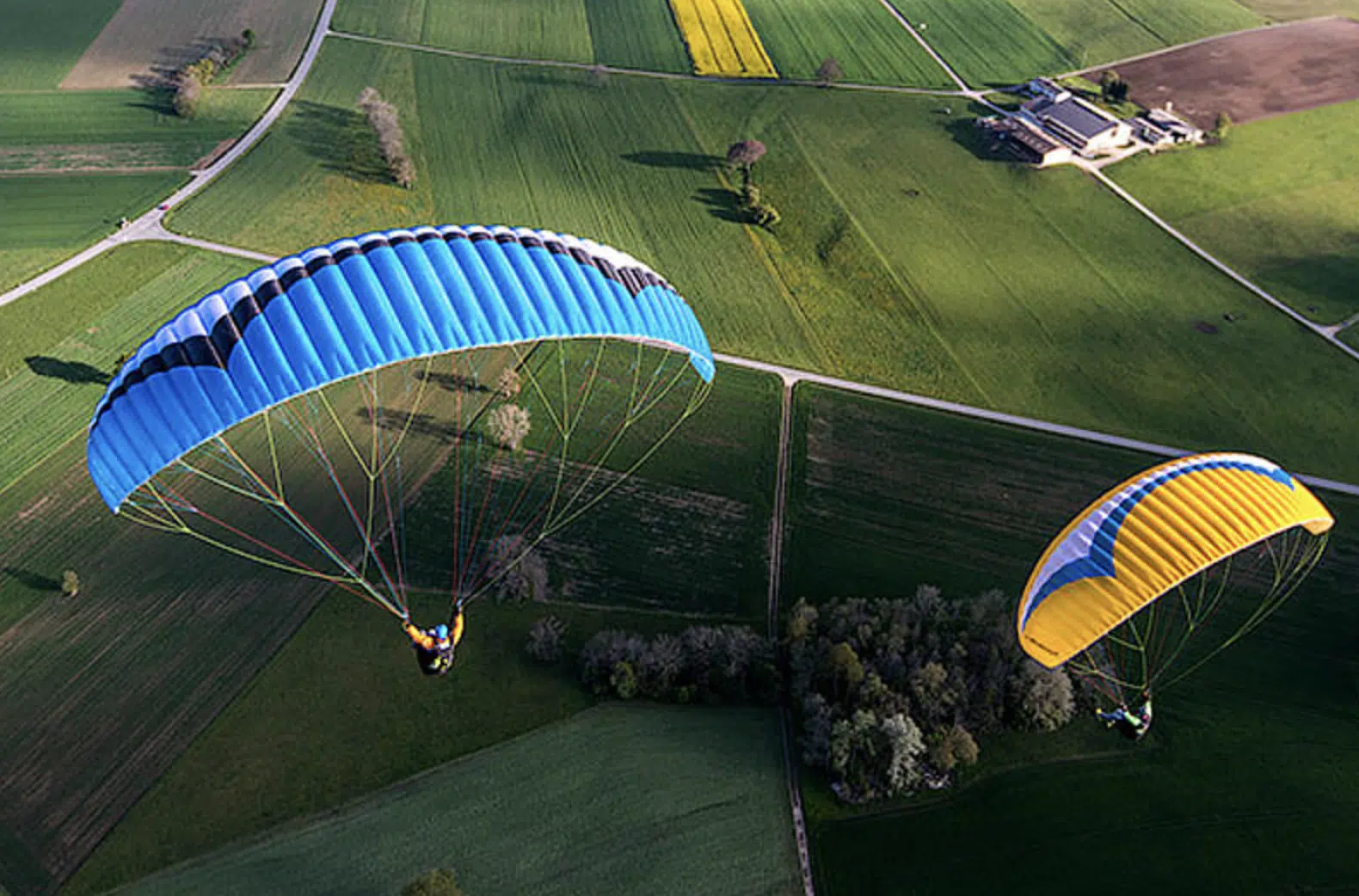
BHPA Elementary Pilot is your first proper rung on the paragliding or hang gliding ladder. You are not buying a ticket to cross-country adventures yet. You are learning to control a wing on the ground, take off in a straight line a few feet above the slope, and land without drama while someone talks to you on the radio.
If the idea of leaving the ground makes your stomach flip, you are in good company. Most students feel that way on day one and still finish the week grinning. Schools start with ground handling until the glider stops feeling like an angry bedsheet. Only then do you get short solo hops in calm conditions. That pacing is deliberate.
Most courses run three to five flyable days, though the BHPA cares about competence, not calendar dates. Bad weather means more theory and kit work, which is less glamorous but still counts. By the end you sit a straightforward multiple-choice exam and your instructor signs off your Elementary Pilot award when your take-offs, landings and decisions are consistently safe.
Elementary Pilot is signed off through continuous practical assessment and a short theory exam, not a one-shot pass-or-fail flight test on a timer.
Quick answers about this qualification. For anything else, use live chat or browse bookable activities below.
Find activitiesIt is the first formal milestone on the BHPA Pilot Rating Scheme for paragliding or hang gliding. You prove basic ground handling, short supervised flights and enough theory to stay safe while you continue training.
It is a progress award, not a licence to roam the mountains unsupervised. That comes later with Club Pilot.
No. Schools expect complete beginners with reasonable fitness and patience. You will not be asked to soar cross-country on day two.
If you have flown a tandem paraglider on holiday, mention it when you book, but your instructor still starts from ground handling regardless.
Most students need three to five days in flyable weather. Some schools run consecutive days; others use weekends across several weeks.
Paragliding is weather-dependent. A two-week calendar block might contain only three flying days, and that is not a failure of your training.
Yes, but it is a straightforward multiple-choice paper on topics your instructors have already covered. Collision-avoidance questions must be answered correctly.
Think of it as making sure you have absorbed the safety briefings, not an A-level physics paper.
When taught at a BHPA-registered school in suitable conditions, risk is managed professionally. Your first flights are very low and very slow, with radio coaching throughout.
Leave a comment when you book if you are anxious about heights or had a bad experience elsewhere. Good schools pace nervous students without making a spectacle of it.
Schools provide glider, harness, helmet and radio for training. Wear sturdy boots, gloves in cooler weather and clothes you can move in on a hillside.
Buying your own kit before Elementary Pilot is usually premature. Wait until you know which craft and size suit you.
Both sit under the BHPA scheme but use different wings and control techniques. Most UK beginners learn paragliding on hills; hang gliding may use tow launches at airfields.
Pick a school that teaches the craft you actually want to fly. Switching later means starting the syllabus again, though experience helps.
Instructors pivot to theory, exams and ground handling. You cannot learn safe launches in gusty rotors, and nobody sensible wants you to try.
Build slack into your diary. UK free flight rewards patience more than optimism.
Club Pilot is the next rating. That stage adds higher flights, turns, soaring skills and tougher exams until you can fly unsupervised at BHPA club sites within your limits.
Many schools sell combined EP plus CP packages if you already know you are hooked.
Fourteen for solo flight under BHPA rules. Schools often insist on sixteen because harness fit and decision-making matter as much as the legal minimum.
Ask your chosen school about junior training and parental consent before you pay a deposit.
adventuro lists BHPA-registered paragliding and hang gliding schools across the UK. Compare hill versus tow venues, craft type and whether trial membership is included.
Training in the UK builds wind awareness early. Training abroad in the Alps is glorious but a different skill set when you return home.

Learn to paraglide in sunny southern Spain, from complete beginner to certified pilot! Accommodation and flights not included.
From € 2390

Start from scratch, learn to paraglide in Spain expert BHPA instructors. Accommodation and flights not included.
From € 1250