
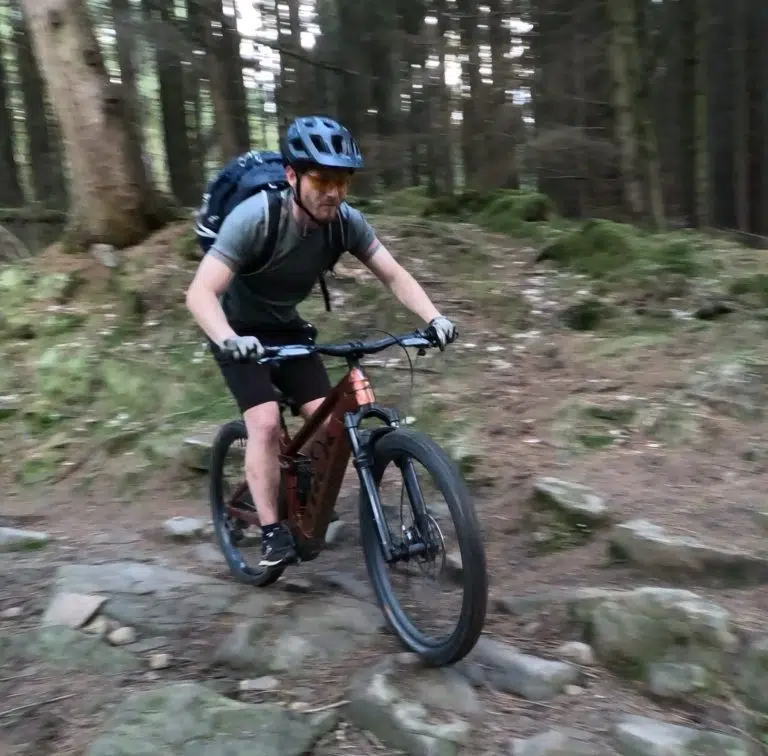
Top Tips for eMTB Riding Technique
Electric bikes amplify your pedaling power without the use of a throttle, providing a more natural ride. To make the most of your pedal-assist eMTB, it’s essential to understand and master specific techniques. Below are detailed tips to enhance your riding skills and enjoyment.
Firstly, Understand Your Machine:
An e-bike motor, particularly in pedal-assist systems, enhances torque by using sensors to measure the rider’s pedaling effort and translating it into proportional motor assistance. The key component is the torque sensor, which detects the force applied to the pedals. As you pedal, the torque sensor gauges how hard you’re pushing, while a cadence sensor monitors the rotational speed of the crank. This data is sent to the bike’s controller, which processes the information and instructs the motor to provide a corresponding level of power. The motor then amplifies your input by adding electric torque directly to the drivetrain, resulting in a seamless boost that matches your pedaling intensity. This system allows for a natural riding experience, enhancing torque when you need it—like climbing hills or accelerating—while conserving energy when less assistance is required.
1. Understand Your Assist Levels Thoroughly
Pedal-assist eMTBs typically offer multiple assist levels, such as Eco, Trail, and Turbo. Each mode provides a different amount of electric assistance:
- Eco Mode: Offers minimal assistance, ideal for flat terrains or when you want to extend battery life.
- Trail Mode: Provides moderate assistance, suitable for mixed terrains and general riding.
- Turbo Mode: Delivers maximum assistance, useful for steep climbs or when extra power is needed.
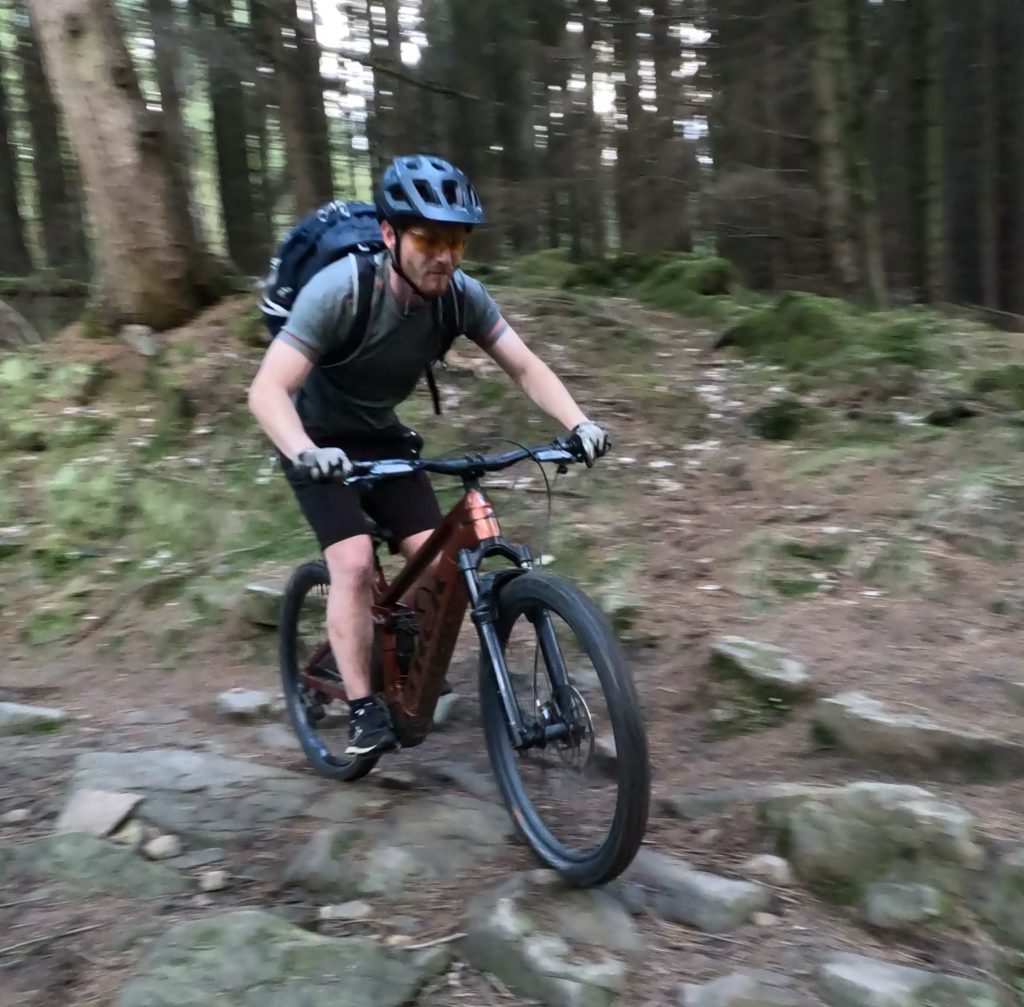
How to Utilize Assist Modes Effectively
- Start in Lower Modes: Begin your ride in Eco or Trail mode to warm up your muscles and gauge the terrain.
- Match the Terrain: Increase the assist level when approaching steep inclines or technical sections where extra power is beneficial.
- Maintain Steady Cadence: Aim for a consistent pedaling rhythm (around 70–90 RPM) to ensure efficient motor assistance and reduce sudden power surges.
- Anticipate Obstacles: Adjust your pedaling effort before reaching obstacles to allow the motor to respond smoothly.
- Torque Sensors: Recognize that the motor responds to the force you apply on the pedals. The harder you pedal, the more assistance you receive.
- Delay in Assistance: Be aware of the slight delay when starting to pedal and when ceasing pedaling, as the motor engages and disengages.
2. Master Battery Management for Extended Rides
- Know Your Battery Capacity: Familiarize yourself with your battery’s watt-hour (Wh) rating to estimate potential range.
- Assess the Route: Consider factors like distance, elevation gain, and technical difficulty when planning your ride.
- Weather Conditions: Understand that extreme temperatures can affect battery performance (both cold and heat can reduce efficiency).
- Use the Correct Charger: Always use the manufacturer’s recommended charger to maintain battery health.
Optimize Assist Levels
- Use Eco Mode on Flats: On level ground or gentle descents, reduce the assist level to conserve battery.
- Efficient Climbing: In moderate climbs, try increasing your pedaling effort before switching to a higher assist level.
- Avoid Turbo Mode Overuse: Reserve the highest assist setting for the most challenging sections to prevent rapid battery depletion.
3. Adjust Your Riding Position for Optimal Control
- Shift Weight Forward: On steep ascents, move your weight towards the handlebars to keep the front wheel grounded.
- Smooth Pedal Strokes: Apply consistent pressure to prevent wheel slippage, especially on loose terrain. This is a key difference between e-bikes and traditional bikes. On steep climbs without power assist it is quite natural to pump your legs. With e-bikes, it is better to keep the torque on the pedals as consistent as possible.
Descending Techniques
- Lower Your Center of Gravity: Stand on the pedals with knees and elbows bent, lowering your body over the bike for better stability.
- Weight Distribution: Shift your weight slightly back to prevent going over the handlebars on steep descents.
- Look Ahead: Keep your eyes focused down the trail to anticipate obstacles and adjust your position accordingly.
- Use your legs: On uneven or rocky descents, stand up and keep the bike steady using your legs on the saddle. This is where a dropper seat comes in handy. A dropper seat allows you to quickly lower your seat at the start of a technical section.
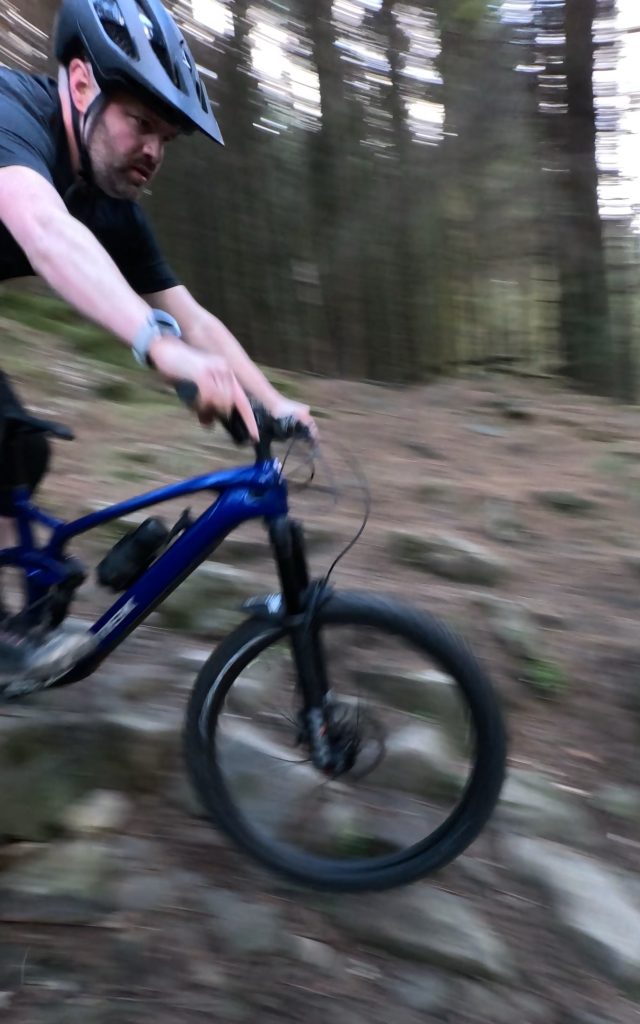
Cornering
- Body Lean vs. Bike Lean: Lean the bike into the turn while keeping your body more upright to maintain balance.
- Pedal Position: Keep the outside pedal down and apply pressure to enhance grip and avoid your inside pedal hitting the ground.
Handling the Extra Weight
- Anticipate Momentum: The heavier bike will carry more momentum; adjust your braking and turning accordingly. Depending on your tyres and brakes, break earlier to account for the extra weight.
- Practice Maneuvers: Spend time practicing in a safe area to get accustomed to how the bike responds.
4. Handle the Extra Weight with Confidence
Braking Adjustments
- Brake Earlier: Begin braking sooner than you would on a traditional MTB to account for increased stopping distances.
- Use Both Brakes: Apply both front and rear brakes evenly for controlled deceleration, but only on firm surfaces, if on loose or slippery surfaces stick to back brake only and prepare for long stopping distances.
- Brake Modulation: Practice feathering the brakes to prevent wheel lock-up and maintain traction.
Lifting and Carrying Techniques
- Proper Lifting Posture: Bend your knees and keep your back straight when lifting the bike to prevent injury.
- Use Leverage Points: Utilize the frame’s geometry, grabbing the lower part of the frame rather than the seat or handlebars.
- Teamwork: If the bike is too heavy to lift alone over obstacles, don’t hesitate to ask for help.
5. Modulate Your Speed for Safety and Control
- Smooth Pedaling Effort: Avoid sudden bursts of power that can cause unintended acceleration.
- Assist Level Management: Use lower assist settings in crowded or technical areas to maintain better control.
Maintain Proper Trail Etiquette
- Yield Appropriately: Slow down when approaching hikers, equestrians, or other cyclists, and give ample space when passing.
- Announce Your Presence: Use a bell or a friendly verbal greeting to alert others of your approach.
- Respect Trail Rules: Follow posted speed limits and trail usage guidelines.
6. Enhance Your Technical Skills Continuously
- Seek Challenges: Gradually introduce more difficult trails or obstacles to push your abilities.
- Group Rides: One of the best ways to learn is to join rides with more experienced eMTB riders to observe and learn from their techniques.
- Professional Coaching: Consider taking lessons from certified instructors specializing in eMTB skills. On adventuro, we have plenty of mountain bike coaching all across the country which you can find here.
7. Maintain Your Bike Regularly
Mechanical Component Care
- Check for Wear and Tear: Every so often, give your chain, cassette, and chainrings a good look-over. If you spot stretched chain links or worn-out teeth on the gears, it’s probably time to replace them. Trust me, riding with a worn drivetrain can make shifting sloppy and pedaling less efficient.
- Replace Worn Parts Quickly: Don’t wait around if you notice something’s damaged or overly worn. Swapping out parts promptly prevents bigger issues down the line and keeps your bike running smoothly.
- Keep an Eye on Your Brake Pads: Your brakes are super important, especially when you’re tackling steep or tricky trails. Regularly check the brake pads to see if they’re wearing thin. If they’re getting close to the manufacturer’s minimum thickness or you feel a drop in braking power, it’s time for new pads.
- Bleed Your Brakes When Needed: If your hydraulic brakes start feeling spongy or aren’t as responsive, they might need bleeding. This process removes air bubbles from the brake lines, restoring that firm braking feel. If you’re not comfortable doing it yourself, any good bike shop can handle it for you.
Electrical Component Care
- Inspect Electrical Connections: Make it a habit to check all the electrical cables and connectors. Ensure they’re snug and free from corrosion. Loose or corroded connections can lead to intermittent power issues or the motor cutting out—definitely not what you want during a ride!
- Take Care of Your Battery: Keep the battery contacts clean and dry; a soft cloth usually does the trick. Also, try to store the battery in a cool, dry place—somewhere between 10°C and 20°C (50°F and 68°F) is ideal. Extreme temperatures can reduce battery life and performance.
- Stay Up-to-Date: Periodically connect your eMTB to the manufacturer’s app or service tool. Firmware updates often include performance improvements and fixes for known issues. It’s like giving your bike a little software tune-up.
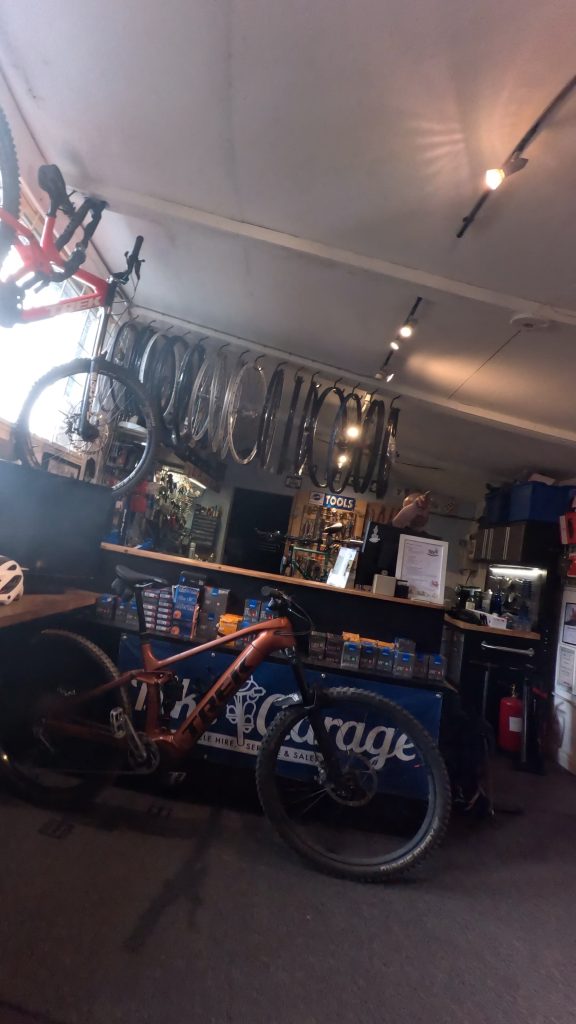
Professional Servicing
- Regular Tune-Ups: Even if you’re handy with maintenance, it’s a good idea to have a qualified technician give your eMTB a once-over now and then, especially the motor and battery systems. They can spot potential problems before they become serious headaches.
- Get a Pro Diagnostic: Professionals have specialized tools to run thorough diagnostics on your bike’s electronics. They can identify any hidden issues that might not be obvious during a regular check.
8. Improve Your Fitness Off the Bike
Strength Training
- Core Exercises: Strengthen your core muscles to improve balance and stability on the bike. Incorporate exercises like planks, Russian twists, and bicycle crunches into your routine. A strong core enhances control during technical rides and reduces fatigue by supporting better posture.
- Upper Body Workouts: Enhance shoulder, arm, and back strength for better bike handling. Perform exercises such as push-ups, pull-ups, and dumbbell rows. Building upper body strength helps you maneuver the bike more effectively, especially in challenging terrains that require lifting or shifting the bike’s weight.
Flexibility and Mobility
- Stretching Routines: Incorporate dynamic stretches before rides to prepare your muscles and joints for activity. Examples include leg swings, arm circles, and torso twists. After riding, use static stretches like hamstring stretches, calf stretches, and quad stretches to aid muscle recovery and maintain flexibility.
- Yoga and Pilates: Engage in disciplines like yoga and Pilates to improve flexibility, balance, and mental focus. Practices such as Vinyasa yoga or Pilates mat work enhance muscle elasticity and joint mobility, which can lead to smoother rides and better handling of unexpected obstacles.
Cardiovascular Training
- Cross-Training Activities: Boost your cardiovascular fitness by engaging in activities like running, swimming, or road cycling. These exercises improve heart and lung capacity, leading to increased endurance during long or intense rides.
- Interval Training: Incorporate high-intensity interval training (HIIT) workouts to enhance endurance and reduce recovery times. Activities like sprint intervals on a stationary bike or timed circuits elevate your heart rate quickly, mimicking the bursts of effort required during mountain biking and preparing you for sustained physical demands.
12. Stay Prepared
Emergency Preparedness
- Carry a Repair Kit: Include items like a spare tube, tire levers, a multi-tool, and a pump.
- First-Aid Supplies: Pack basic first-aid items for minor injuries.
- Communication Devices: Ensure your mobile phone is charged, and consider carrying a whistle or emergency beacon in remote areas.
By integrating these expanded tips into your eMTB riding routine, you’ll not only enhance your technical abilities but also deepen your appreciation for the sport. Riding a pedal-assist eMTB without a throttle offers a dynamic blend of physical activity and technological innovation. Embrace the unique aspects of your eMTB, continue to learn and adapt, and most importantly, enjoy every moment on the trails.