
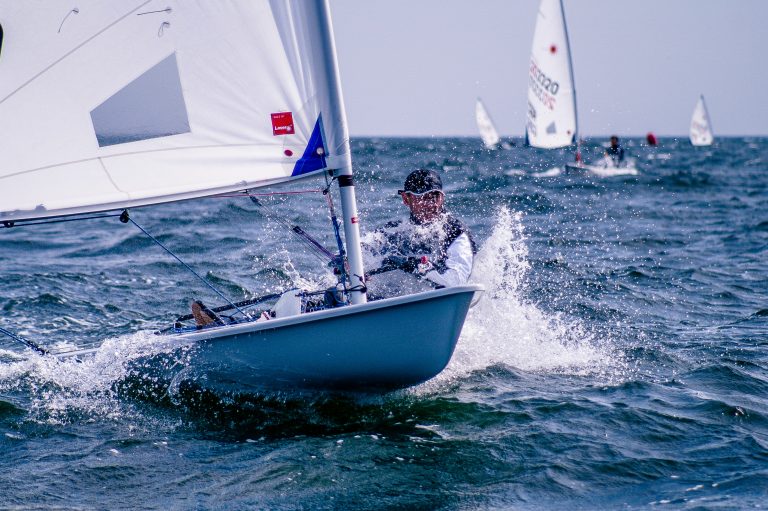
Sailing can be an exhilarating and rewarding experience. As a beginner, it’s natural to have a lot of questions. Here are the top 20 FAQs for those new to sailing, with clear and straightforward answers to help you set sail with confidence.
Top 20 FAQs for Beginners in Sailing
1. What is sailing?
Sailing is the art and practice of navigating a boat using wind as the primary means of propulsion. By manipulating sails, sailors harness wind power to move and control the direction of the boat. Sailing can be done for leisure, sport, or transportation, and involves various techniques such as tacking and jibing.
2. Do I need to be strong to sail?
While physical strength can be beneficial, especially when handling sails and equipment on larger boats, sailing primarily relies on technique, understanding wind patterns, and effective boat handling skills. Modern boats are equipped with tools like winches, blocks, and pulleys that make tasks easier.
Good teamwork and communication can also distribute tasks efficiently, making sailing accessible to people of all ages and fitness levels.
3. What should I wear for sailing?
Proper attire for sailing includes:
- Layered Clothing: Wear layers to adjust to changing weather conditions. Moisture-wicking base layers, insulating mid-layers, and waterproof outer layers are ideal.
- Non-Slip Shoes: Deck shoes or boots with non-slip soles to prevent falls.
- Protection from the Elements: A hat, sunglasses with UV protection, and sunscreen to shield against sun exposure. Waterproof gloves can also be helpful for handling lines.
- Avoid Cotton: Opt for synthetic or wool fabrics that dry quickly and provide better insulation when wet.
4. Do I need a licence to sail?
In the UK, you generally do not need a licence for leisure sailing in coastal waters or inland waterways. However, certain areas and larger boats may require specific qualifications. The Royal Yachting Association (RYA) offers a range of courses and certifications, such as the RYA Day Skipper and RYA Yachtmaster, which are internationally recognised and enhance both safety and competence on the water.
How Can I Learn to Sail?
Learning to sail can be done through various avenues, many of which are easily accessible through Adventuro:
- Sailing Schools: Enrol in courses offered by certified sailing schools or clubs. Adventuro partners with various sailing schools to provide a range of RYA courses, from beginner to advanced levels. For beginners, consider these RYA courses:
- RYA Start Sailing (Level 1): This introductory course covers the basics of sailing, including boat handling, safety, and basic seamanship. It’s perfect for those with little to no sailing experience.
- RYA Basic Skills (Level 2): Builds on the fundamentals taught in Level 1, focusing on improving sailing skills and introducing new techniques.
- RYA Competent Crew: Designed for those who want to learn how to be a useful crew member on a sailing yacht, covering essential sailing skills, safety procedures, and daily routines on board.
6. What is the difference between a sailboat and a yacht?
A sailboat is any boat that uses sails as its primary means of propulsion. Yachts are typically larger and more luxurious sailboats or motorboats used for recreation, cruising, or racing. Yachts often come equipped with amenities like cabins, kitchens (galleys), and bathrooms (heads), making them suitable for longer voyages and more comfortable living conditions.
7. Is sailing safe?
Sailing is generally safe when proper precautions are taken:
- Safety Gear: Always wear a life jacket and ensure the boat is equipped with essential safety equipment like a first aid kit, VHF radio, flares, and fire extinguisher.
- Weather Awareness: Check weather forecasts before setting out and avoid sailing in extreme conditions.
- Training: Undergo proper training and gain experience gradually.
- Navigation: Learn basic navigation rules and procedures to avoid collisions and grounding.
8. What is a keel?
A keel is a structural component that extends downward from the hull of a sailboat. It serves several purposes:
- Stability: Provides ballast to counterbalance the force of the wind on the sails, preventing the boat from capsizing.
- Direction: Helps the boat track straight by reducing sideways drift (leeway) caused by the wind.
- Performance: Some keels are designed to improve the hydrodynamics of the boat, enhancing speed and manoeuvrability.
9. What are the basic parts of a sailboat?
Key parts of a sailboat include:
- Hull: The main body of the boat.
- Mast: The vertical pole that supports the sails.
- Boom: The horizontal pole attached to the mast, holding the bottom of the mainsail.
- Sails: The primary means of propulsion, usually including a mainsail and a jib or genoa.
- Rudder: A flat piece at the stern used for steering.
- Keel: The weighted structure below the hull for stability and tracking.
- Lines and Rigging: The ropes and cables used to control the sails and mast.
10. How do sails work?
Sails work by creating lift, similar to how an airplane wing functions:
- Aerodynamic Shape: When wind flows over the curved surface of the sail, it generates a difference in pressure on either side, creating lift.
- Sail Adjustment: By adjusting the angle of the sails (trimming), sailors can control the direction and speed of the boat. Close-hauled sails catch wind more efficiently for upwind sailing, while eased sails are used for downwind sailing.
- Wind Direction: Understanding and using the wind’s direction relative to the boat’s course is crucial for effective sailing.
11. What is tacking and jibing?
- Tacking: This manoeuvre involves turning the bow of the boat through the wind to change direction. It is used when sailing upwind. The sails are shifted from one side of the boat to the other as the boat turns through the wind, usually performed by pushing the tiller or turning the wheel in the direction of the wind.
- Jibing: Jibing, or gybing, is the process of turning the stern of the boat through the wind. It is used when sailing downwind. The sails switch sides more abruptly than in tacking, requiring careful control to prevent them from swinging violently. Both manoeuvres are essential for changing course effectively while sailing.
12. Can I sail in any weather?
- Ideal Conditions: Beginners should aim for moderate wind conditions, typically between 5 to 15 knots. These winds provide enough power for learning sail control without overwhelming the novice sailor.
- Adverse Conditions: Avoid sailing in strong winds (over 20 knots), heavy rain, thunderstorms, or fog, as these conditions can be dangerous and challenging to navigate.
- Weather Checks: Always check weather forecasts and sea conditions before setting out. Tools like marine weather apps, VHF radios, and local weather stations provide crucial updates.
13. What safety equipment do I need?
- Life Jackets: A properly fitted personal flotation device (PFD) for each person on board is essential.
- VHF Radio: For communication and emergency calls. Ensure you know how to use it and understand basic marine communication protocols.
- First Aid Kit: A well-stocked kit to handle minor injuries and emergencies.
- Flares and Signalling Devices: Use these to signal for help if needed.
- Fire Extinguisher: Essential for combating onboard fires.
- Bailer or Bilge Pump: For removing water that enters the boat.
- Navigation Lights: Required for visibility at night or in low visibility conditions.
- Safety Harness and Tether: Recommended in rough weather to prevent crew members from falling overboard.
14. How do I read a nautical chart?
- Symbols and Abbreviations: Familiarise yourself with common symbols and abbreviations used to indicate underwater hazards, depth contours, and navigation aids.
- Latitude and Longitude: Understand how to use these coordinates to determine your position.
- Depth Indications: Note the depths at various points to avoid grounding.
- Navigational Aids: Identify buoys, lighthouses, and other markers that help in navigation.
- Compass Rose: Used for plotting courses relative to true and magnetic north.
15. What is a mooring?
- Mooring Definition: A mooring is a fixed structure (often to a buoy or quay) to which a boat can be securely tied, using anchors embedded in the seabed.
- Advantages: Provides a stable and secure point to keep your boat without using your own anchor. Often found in designated mooring fields in harbours and marinas.
- Usage: Approach the mooring buoy from downwind, use a boat hook to catch the mooring line, and secure it to your boat’s bow cleat.
16. How do I dock a sailboat?
- Preparation: Approach the dock slowly and against the wind or current if possible, as this gives you better control.
- Fenders: Place fenders on the side of the boat that will contact the dock to protect the hull.
- Dock Lines: Have your dock lines ready to secure the boat. Bow, stern, and spring lines are commonly used.
- Maneuvering: Use gentle, small adjustments with the engine and rudder to steer the boat into position. If the boat has an auxiliary motor, use it to assist with docking.
- Communication: Clearly communicate with your crew to handle lines and secure the boat promptly.
17. What is the right-of-way rule?
- Sailing Vessels: When two sailboats are on a collision course, the boat on a port tack (wind coming from the left side) must give way to the boat on a starboard tack (wind coming from the right side).
- Overtaking: Any vessel overtaking another must keep clear, regardless of the type of vessel.
- Power vs. Sail: Sailboats generally have the right of way over motorboats, except when the sailboat is overtaking.
- Navigation Rules: Learn and follow the “Rules of the Road” (COLREGS) to prevent collisions and ensure safe navigation.
18. How do I tie basic sailing knots?
- Bowline Knot: Creates a fixed loop at the end of a rope, essential for securing lines and making fast connections.
- Cleat Hitch: Used to tie a rope to a cleat, commonly used for docking and securing lines.
- Figure-Eight Knot: A stopper knot to prevent ropes from slipping through a hole or block.
- Reef Knot: Used for tying two ends of a rope together, often used to reef sails.
- Sheet Bend: Useful for joining two ropes of different diameters.
19. What should I do in case of a man overboard?
- Alert Crew: Shout “Man overboard!” to alert everyone on board.
- Floatation Device: Immediately throw a flotation device towards the person in the water.
- Spotter: Assign someone to keep their eyes on the person overboard at all times.
- Return Maneuver: Use a figure-eight or quick-stop manoeuvre to turn the boat back towards the person.
- Approach: Approach the person from downwind, making it easier to control the boat’s speed and position.
- Recovery: Use a lifeline or boat hook to help the person back on board, ideally at the lowest point of the boat.
20. How can I join a sailing community?
- Sailing Clubs: Join a local sailing club to meet like-minded individuals, participate in events, and access resources and training.
- Courses and Training: Enrol in sailing courses offered by organisations like the RYA to gain certifications and improve your skills.
- Regattas and Races: Participate in local regattas and races to experience competitive sailing and meet other sailors.
- Online Communities: Join online forums, social media groups, and sailing networks to connect with sailors worldwide, share experiences, and seek advice.
- Volunteer Crew: Offer to crew on other boats to gain experience and network within the sailing community.