
The Psychological and Physiological Impact of Cycling
Remember that feeling of freedom when you first learned to ride a bike and the thrill of getting rid of the training wheels? Well, this childhood joy can translate into some serious health perks as an adult. Biking isn’t just a hobby but can improve your physical fitness and mental health. If you haven’t gotten on a bike since you were a kid, we hope you’ll want to get riding after reading this.
Mental Health Benefits
Stress Relief
True wellness isn’t just about having a fit body, it’s about nurturing a healthy mind too. In our fast-paced, world, finding effective ways to unwind is crucial. Cycling can help your brain release endorphins. The exercise triggers the release of feel-good hormones and increases serotonin levels, which helps regulate your mood.
By focusing on the road and your surroundings while you’re pedaling, it keeps you centered in the present moment. This helps reduce stress and can be a form of moving meditation. If you’re cycling outdoors, try to bike in a place where you can be surrounded by a lot of grass and trees! Connecting with nature has been shown to reduce stress and improve your overall mood.

Cognitive Function
If you want to keep your mind sharp, you can make biking a consistent and healthy habit. Regular cycling has been linked to improved cognitive function for your brain health. Cycling benefits your brain by increasing blood flow to the brain, which helps with delivering more oxygen and nutrients. This helps with promoting the growth of new brain cells, which in turn helps with improving memory and attention, enhancing your creative thinking and problem-solving skills.
Self-Esteem and Confidence
There’s something incredibly empowering about propelling yourself forward under your own power. As you improve your cycling skills, you might notice a boost in your self-esteem and confidence that extends well beyond your bike rides. Setting and achieving cycling goals, whether it’s completing your first 10-mile ride or conquering a challenging hill, can give you a sense of accomplishment that spills over into other areas of your life. Plus, the physical changes you’ll see from regular cycling can help improve body image and overall self-perception.
Social Connection
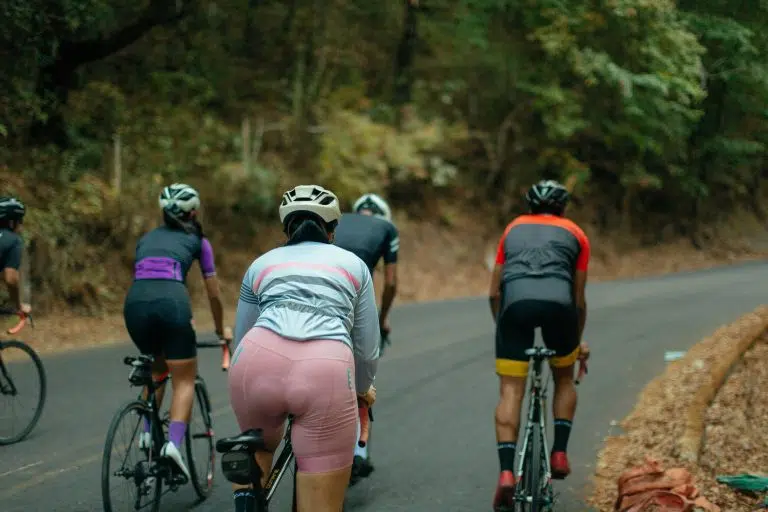
One often overlooked aspect of cycling is its potential for social connection. In a world where loneliness and isolation are increasingly common, the cycling community offers a welcoming space for people of all ages and backgrounds. Joining a local cycling club or participating in group rides can be a fantastic way to meet new people and form lasting friendships.
There’s something about being in a community, and riding together that creates a unique bond among cyclists. Besides a sense of belonging and community, group rides can also offer you motivation to stick to your cycling routine, opportunities to learn from more experienced riders, and safety in numbers, especially for road cycling!

Physical Health Benefits
Cardiovascular Health
Biking is fantastic for your health because it gets your heart rate up and keeps it there, giving your cardiovascular system a great workout. When you cycle, your heart pumps faster, boosting blood flow and increasing oxygen delivery to your muscles. This not only strengthens your heart but also enhances your circulation. Regular cycling can improve your circulation, lower your blood pressure, and significantly reduce your risk of heart disease and stroke.
Think of it as a tune-up for your body’s most important muscle! Studies have shown that individuals who engage in regular aerobic exercises like cycling have lower levels of LDL cholesterol (the bad kind) and higher levels of HDL cholesterol (the good kind), which helps keep your arteries clear and reduces the risk of atherosclerosis.
The science behind this is fascinating: when you cycle, your muscles require more oxygen to produce energy, prompting your heart to pump more vigorously. This increased demand on your heart muscle makes it stronger and more efficient over time. The more you cycle, the more efficient your heart becomes at pumping blood, which translates to better overall health and more energy for your daily activities. Additionally, cycling stimulates the production of nitric oxide in your blood vessels, which helps to dilate them, improving blood flow and further reducing blood pressure.
Moreover, regular cycling has been linked to improved endothelial function, which is the performance of the inner lining of blood vessels. This function is crucial for cardiovascular health, as it helps regulate blood clotting, platelet adhesion, and immune function. By enhancing endothelial function, cycling helps maintain the elasticity and responsiveness of your arteries, contributing to overall cardiovascular wellness.
How Does Cycling Help With Weight Management
If you’re looking to maintain a healthy weight or shed a few extra pounds, cycling could be your new best friend. Depending on your speed and intensity, you can burn anywhere from 400 to 1000 calories per hour while cycling. This makes it a highly effective exercise for calorie burning and fat loss. Plus, it’s low-impact, meaning it’s easier on your joints than running or other high-impact exercises, making it suitable for people of all fitness levels.
But here’s the real kicker: cycling can boost your metabolism even when you’re not on the bike. Regular rides can increase your basal metabolic rate (BMR), helping you burn more calories throughout the day, even when you’re just lounging on the couch. This effect is due to the muscle-building aspect of cycling, as muscle tissue burns more calories at rest compared to fat tissue.
However, while cycling is excellent for short-term calorie burning and metabolic boosting, long-term weight management also requires a balanced diet. It’s essential to consume the right amount of calories to support your activity level without overeating. Cycling increases your energy expenditure, but if you consume more calories than you burn, you won’t achieve a calorie deficit, which is necessary for weight loss.
The latest science suggests that instead of focusing solely on calorie counting, it’s beneficial to pay attention to the quality of the calories consumed. Nutrient-dense foods, such as vegetables, fruits, lean proteins, whole grains, and healthy fats, provide essential vitamins and minerals that support overall health and enhance your cycling performance. These foods help keep you full and satisfied, making it easier to maintain a healthy calorie intake.
Moreover, regular physical activity like cycling helps regulate hormones involved in appetite control, such as ghrelin and leptin, which can further support weight management. Consistency in both exercise and diet is key to long-term success.

How Does Cycling Affect Muscle Strength
While it’s true that cycling is primarily a lower-body workout, don’t be fooled into thinking it’s all about the legs. Sure, you’ll develop killer quads, calves, and glutes, but cycling also engages your core muscles for balance and your upper body for steering and support. Regular cycling can help build lean muscle mass, improve overall body composition, increase bone density, and enhance your overall strength and endurance.
Types of Cycling and Their Impact on Muscles
Road cycling primarily targets the lower body muscles, especially the quadriceps, hamstrings, calves, and glutes. The repetitive pedaling motion strengthens these muscles and improves their endurance. Additionally, the core muscles are engaged to maintain balance and posture on the bike. However, the upper body gets less of a workout compared to other forms of cycling.
Mountain biking provides a more comprehensive workout compared to road cycling. The uneven terrain and varied riding positions engage not only the lower body but also the upper body muscles, including the biceps, triceps, shoulders, and back muscles. Navigating rough trails, climbing hills, and handling descents require significant upper-body strength and core stability, making mountain biking a full-body workout.
Indoor cycling, such as spinning, offers a controlled environment where you can focus on specific muscle groups through various resistance levels and cycling techniques. This type of cycling primarily works the lower body but also includes standing positions and handlebar movements that engage the core and upper body muscles.
How Does Cycling Compare with Running
Cycling and running are both excellent cardiovascular exercises but differ in how they impact muscle strength:
- Muscle Engagement: Running predominantly engages the lower body muscles, particularly the calves, hamstrings, quadriceps, and glutes. However, it also requires significant core strength for stability. Unlike cycling, running has minimal upper body involvement unless incorporating activities like sprinting or trail running.
- Impact on Joints: Running is a high-impact exercise that can stress the joints, especially the knees and ankles. In contrast, cycling is low-impact, making it gentler on the joints while still providing a robust workout for the lower body.
- Muscle Development: Cycling can lead to more substantial muscle development in the lower body due to the resistance provided by pedaling, especially when riding uphill or using high resistance in indoor cycling. Running tends to build leaner muscles due to its aerobic nature and the continuous impact on the muscles.
Specific Benefits of Cycling for Muscle Strength
- Quadriceps and Hamstrings: Pedaling primarily targets these muscles, providing strength and endurance.
- Calves: The upward and downward motion during pedaling engages the calf muscles, improving their definition and power.
- Glutes: Cycling, especially when standing on the pedals, works the glutes effectively.
- Core: Maintaining balance and posture on the bike engages the core muscles, enhancing stability and strength.
- Upper Body: Mountain biking and certain indoor cycling techniques require upper body strength for steering and support, working the biceps, triceps, shoulders, and back muscles.
Inspired to go Biking?
If you’re feeling inspired to go biking, we encourage you to dust off that old bike in the garage, rent one for a day, or invest in a new set of wheels. Your body and mind will definitely thank you for it. Who knows, you might just discover a lifelong passion that keeps you healthy and happy for years to come.
How to Incorporating More Cycling into Your Day-to-Day Life
Getting more cycling into your daily routine can be easier than you think and offers a fun way to boost your fitness. Here are some tips to help you incorporate more cycling into your everyday life:
- Commute by Bike: If possible, ditch the car or public transport and ride your bike to work or school. It’s a great way to start and end your day with some exercise, and you’ll save on commuting costs too!
- Run Errands: Use your bike for short trips to the grocery store, post office, or to visit friends. Equip your bike with a basket or panniers to carry your purchases.
- Family Outings: Plan family bike rides on weekends or after dinner. It’s a healthy way to spend quality time together and explore your local area.
- Join a Cycling Group: Look for local cycling clubs or groups. Regular group rides can be motivating and provide a social aspect to your exercise routine.
- Lunchtime Rides: If you have a flexible schedule, squeeze in a short ride during your lunch break. It’s a great way to clear your mind and get some fresh air.
- Fitness Goals: Set cycling-related fitness goals, such as riding a certain number of miles each week or participating in a local cycling event. Goals can keep you motivated and give you something to work towards.
- Mix It Up: Incorporate cycling into your existing exercise routine. If you usually go to the gym, try cycling there instead of driving.
Here are some tips to get you started on your cycling journey:
- Start small: Begin with short, easy rides and gradually increase distance and difficulty.
- Invest in proper gear: A well-fitting helmet is non-negotiable. Padded shorts or a padded bike seat can make longer rides more comfortable.
- Get your bike fitted: A properly fitted bike can prevent discomfort and injury.
- Learn basic maintenance: Knowing how to change a tire and perform basic upkeep will make you more confident on the road.
- Find cycling buddies: Look for local cycling groups or convince a friend to join you.
- Mix it up: Try different types of cycling – road, mountain, or stationary – to keep things interesting.
- Set goals: Having something to work towards can keep you motivated.
- Listen to your body: Push yourself, but know when to rest and recover.
Remember, the most important thing is to enjoy the ride. Cycling should be fun, not a chore. Whether you’re looking to improve your fitness, manage stress, connect with others, or simply find a new hobby, cycling has something to offer. It’s an activity that can grow with you, challenging you as you improve and offering new experiences as you explore different types of riding.