

La svolta digitale: come i marketplace stanno trasformando gli sport d’avventura
Quindici anni fa, il settore delle strutture ricettive si trovava a un bivio. I viaggiatori prendevano ancora il telefono per chiamare direttamente gli hotel, si rivolgevano alle agenzie delle vie principali o sfogliavano guide turistiche. Ma il cambiamento era già in atto. Le agenzie di viaggio online come Booking.com, Expedia e, in seguito, Airbnb iniziarono a ridisegnare il panorama. Nel giro di un decennio, erano diventate i principali canali per scoprire e prenotare, ridimensionando il ruolo delle agenzie offline, mettendo in discussione le prenotazioni dirette e cambiando per sempre il modo in cui le persone interagivano con gli hotel.
Ora il mercato degli sport e delle attività d’avventura sta raggiungendo lo stesso punto di svolta.
Per anni, questo settore è rimasto frammentato e ostinatamente offline. Le prenotazioni per lezioni di surf, corsi di sub o escursioni di arrampicata avvengono ancora spesso tramite catene di email, telefonate o consigli passaparola. Gli agenti locali e i concierge hanno contribuito a colmare il divario, ma la loro portata è limitata. Oggi, tuttavia, le aspettative dei clienti stanno raggiungendo il livello a cui è arrivato il settore dei viaggi dieci anni fa. Le persone vogliono consultare le opzioni in un unico luogo, confrontare diversi fornitori, leggere le recensioni e prenotare all’istante. I marketplace come adventuro stanno emergendo per rispondere a questa domanda.
Il mercato globale del turismo d'avventura valeva circa USD 483.3 miliardi nel 2023 e si prevede che crescerà a un tasso di crescita annuale composto (CAGR) di ~15.2% tra il 2024–2032. Nel Regno Unito, il mercato del turismo d’avventura valeva circa USD 13.20 miliardi nel 2024 e dovrebbe più che raddoppiare, raggiungendo USD 23.42 miliardi entro il 2035, con una crescita annua di circa 5.35%.
Perché l’offline è in difficoltà
La prenotazione offline delle attività ha sempre avuto i suoi limiti. I piccoli desk turistici o gli agenti regionali possono promuovere solo ciò che rientra nella loro rete immediata. Le informazioni sono frammentarie, gli opuscoli diventano rapidamente obsoleti e i clienti raramente possono confrontare più opzioni una accanto all’altra. I viaggiatori più giovani, in particolare, considerano tutto questo superato. Sono nativi digitali e, se non possono vedere sul telefono ciò che è disponibile, spesso presumono che non esista.
Per i fornitori, affidarsi ai canali offline significa perdere opportunità. Le scuole di surf del Pembrokeshire o le guide MTB delle Highlands scozzesi sono di livello mondiale, ma se la loro presenza online è limitata rischiano di rimanere invisibili a tutti tranne agli utenti più determinati. Il marketing è costoso, la SEO è competitiva e molti centri sono gestiti da istruttori appassionati che non hanno né il tempo né le risorse per gestire campagne digitali complesse.
Il vantaggio del marketplace
I marketplace offrono una soluzione che funziona per entrambe le parti. Aggregando l’offerta, permettono ai clienti di esplorare un’ampia gamma di attività in un unico luogo. Chi sta organizzando un weekend in Snowdonia può scoprire di tutto, dal paddleboarding sui laghi al canyoning in gole impervie, senza dover cercare su decine di siti web individuali. Su adventuro, per esempio, lo stesso utente potrebbe filtrare per sport, livello o località e poi prenotare con pochi clic.
Questo modello rispecchia ciò che le OTA hanno fatto per le strutture ricettive. I clienti ottengono scelta, trasparenza e praticità. I fornitori ottengono visibilità e un flusso costante di prenotazioni, spesso da parte di pubblici che altrimenti non raggiungerebbero mai. Per la prima volta, prenotare sport d’avventura può sembrare facile quanto prenotare hotel o voli.
Molti fornitori si chiedono se Google Maps o persino i sistemi di prenotazione avanzati siano sufficienti. La realtà è che non risolvono le vere difficoltà. Le mappe mostrano le località, ma non offrono i contenuti approfonditi che i clienti si aspettano: descrizioni chiare dei corsi, percorsi di progressione, informazioni sulla sicurezza, recensioni o consigli di esperti. Non consentono di cercare per attività o qualifica, ma solo per nome del fornitore: quindi si è invisibili a meno che qualcuno non sappia già della propria esistenza. E se il software di prenotazione può semplificare l’amministrazione, lascia comunque gli stessi problemi: scoperta frammentata, portata limitata e nessun effetto marketplace capace di generare nuovi affari. Adventuro colma queste lacune combinando visibilità, contenuti, scoperta e prenotazione in un unico luogo, così i centri non si limitano a gestire la domanda: la fanno crescere.

La complessità come sfida e opportunità
Uno dei motivi per cui, fino a poco tempo fa, nessun singolo colosso globale aveva dominato il settore delle attività è la complessità. Un’“escursione in kayak” non significa la stessa cosa ovunque. Può essere una pagaiata adatta alle famiglie su acque calme, una spedizione in kayak da mare o una discesa in acque mosse. L’arrampicata può consistere in sessioni introduttive indoor, percorsi guidati all’aperto o qualifiche avanzate. I clienti devono sapere esattamente a cosa si stanno iscrivendo, quale livello è richiesto e quale attrezzatura viene fornita.
Questa complessità è stata un ostacolo, ma è anche un elemento distintivo. Piattaforme come adventuro la stanno affrontando direttamente, standardizzando il modo in cui vengono descritte le attività, chiarendo i livelli di abilità e assicurando che le informazioni sulla sicurezza siano trasparenti. Per il cliente, questo significa sicurezza e fiducia. Per i fornitori, significa che le loro offerte vengono presentate in modo chiaro ed equo accanto alle altre.
Le prenotazioni dirette restano importanti
Proprio come gli hotel continuano a investire nelle prenotazioni dirette, i fornitori di attività continueranno sempre a valorizzare i propri canali. Le relazioni dirette costruiscono fedeltà, riducono i costi delle commissioni e offrono ai fornitori un maggiore controllo sul rapporto con i clienti. Molti clienti abituali continueranno a prenotare direttamente con la scuola di surf, il centro diving o la guida di arrampicata che già conoscono e di cui si fidano.
Ma il modo di scoprire le attività sta cambiando. Per molti clienti, soprattutto per chi non sa ancora quale fornitore scegliere, i marketplace stanno diventando la scelta predefinita. Una quota crescente delle attività passerà attraverso le piattaforme, mentre le prenotazioni dirette continueranno ad affiancarle anziché essere sostituite. I fornitori che ignorano questo cambiamento rischiano di essere esclusi da un importante flusso di futuri clienti.
Il punto di vista del cliente: dalla prova alla progressione
Un’altra tendenza che sta plasmando il settore è il passaggio dalle “esperienze di vacanza” occasionali ai percorsi di progressione. Dieci anni fa, molte persone avrebbero potuto provare il surf una volta in vacanza e fermarsi lì. Oggi, sempre più persone considerano gli sport all’aperto una scelta di vita. Vogliono iniziare con una lezione per principianti, passare a weekend di perfezionamento, poi partecipare a escursioni o persino conseguire qualifiche da istruttore.
I marketplace sono nella posizione ideale per sostenere questo percorso. Su adventuro, un utente potrebbe iniziare con una sessione di paddleboarding sul Regent’s Canal a Londra, passare poi a un weekend di kayak in acque mosse in Galles e in seguito prenotare una spedizione di più giorni in kayak da mare in Scozia. Coprendo tutto, dalle sessioni introduttive ai corsi di livello professionale, le piattaforme creano fidelizzazione e utilizzo ricorrente.
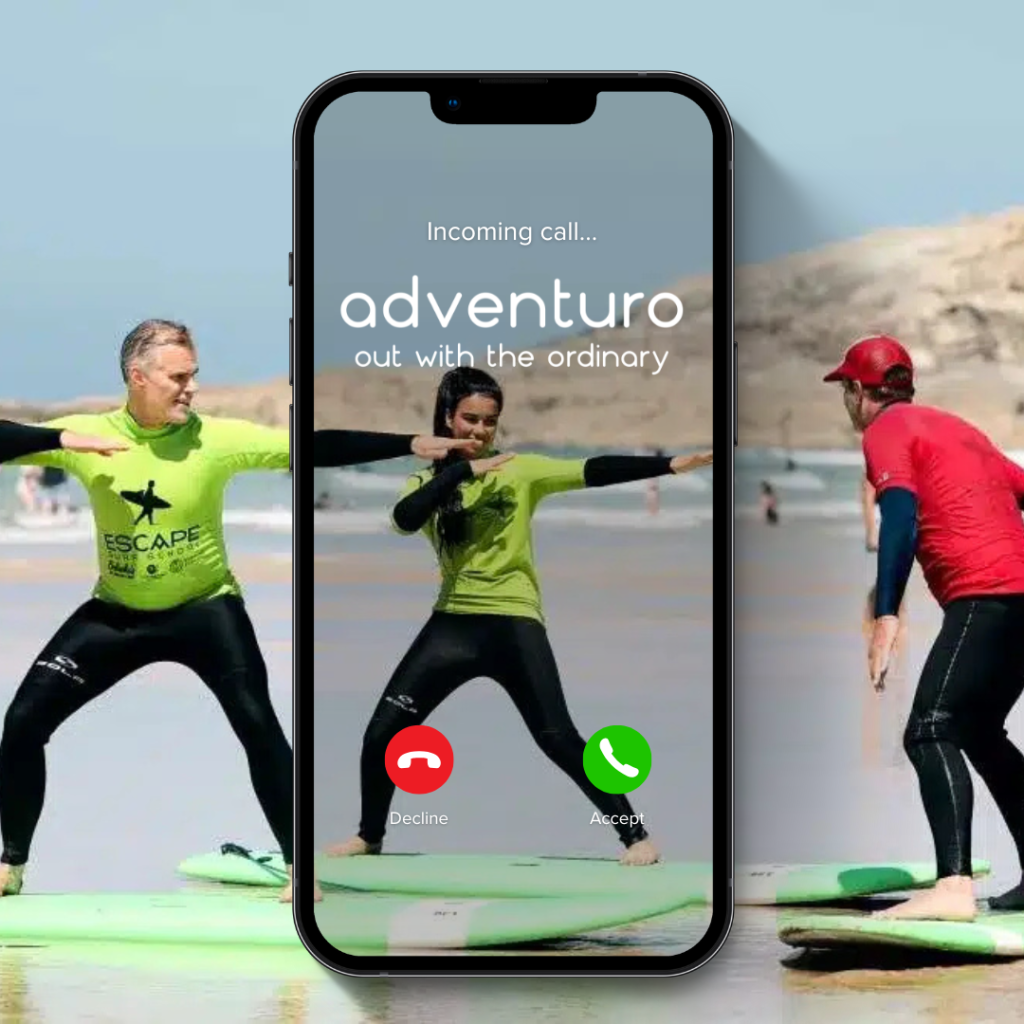
Vantaggi per i fornitori: più tempo, maggiore visibilità
Dal punto di vista dei fornitori, i marketplace non riguardano solo le prenotazioni. Semplificano anche l’amministrazione. Conferme automatiche, disponibilità in tempo reale e pagamenti integrati riducono le infinite email e telefonate che molti centri devono ancora gestire. Questo libera tempo da dedicare a ciò che sanno fare meglio: allenare, guidare e offrire esperienze indimenticabili.
La visibilità è un altro vantaggio fondamentale. Una guida di canyoning a Maiorca potrebbe raggiungere solo poche centinaia di visitatori all’anno attraverso il proprio sito web. Su un marketplace, invece, può essere scoperta da migliaia di potenziali clienti in tutto il mondo che cercano attivamente “canyoning a Maiorca”. Per le piccole imprese, una portata simile cambia completamente le prospettive.
Guardando al futuro: un mercato pronto a crescere
Il prossimo decennio probabilmente porterà alle attività la stessa trasformazione che il settore delle strutture ricettive ha vissuto all’inizio degli anni 2010. Gli agenti offline continueranno a ridursi. I fornitori si adatteranno agli strumenti digitali. I marketplace consolideranno l’offerta, conquisteranno la fiducia dei clienti e diventeranno il principale canale per scoprire le attività.
adventuro è già cresciuta fino a diventare la più grande piattaforma britannica per gli sport d’avventura, con centinaia di partner in decine di discipline. L’espansione internazionale è già in corso, con attività disponibili in Europa e Nord America. Questa traiettoria rispecchia i primi giorni delle OTA: partire dall’offerta locale, costruire fiducia e poi espandersi a livello globale.
L’impatto più ampio potrebbe essere significativo. Prenotare più facilmente significa partecipare di più. Una maggiore partecipazione significa stili di vita più sani, economie locali più forti e una maggiore consapevolezza del valore della vita all’aria aperta. Proprio come le OTA hanno trasformato il modo in cui viaggiamo, i marketplace online sono destinati a trasformare il modo in cui ci divertiamo.

Gli sport d’avventura stanno vivendo il loro momento digitale. Le analogie con il settore delle strutture ricettive sono evidenti: un’industria frammentata, canali di prenotazione obsoleti e la crescita dei marketplace online per colmare il divario. Le prenotazioni dirette resteranno importanti, ma la scoperta e la scelta si stanno spostando sulle piattaforme.
Per i clienti, questo significa maggiore visibilità, fiducia e praticità. Per i fornitori, significa più prenotazioni, meno amministrazione e la possibilità di concentrarsi su ciò che amano. E per piattaforme come adventuro, significa l’opportunità di diventare l’infrastruttura alla base di un movimento globale dedicato alla vita all’aria aperta.
Quindici anni fa, il settore delle strutture ricettive è andato online. Oggi è il turno degli sport d’avventura.