
How to Get Past the Breakers as a New Surfer
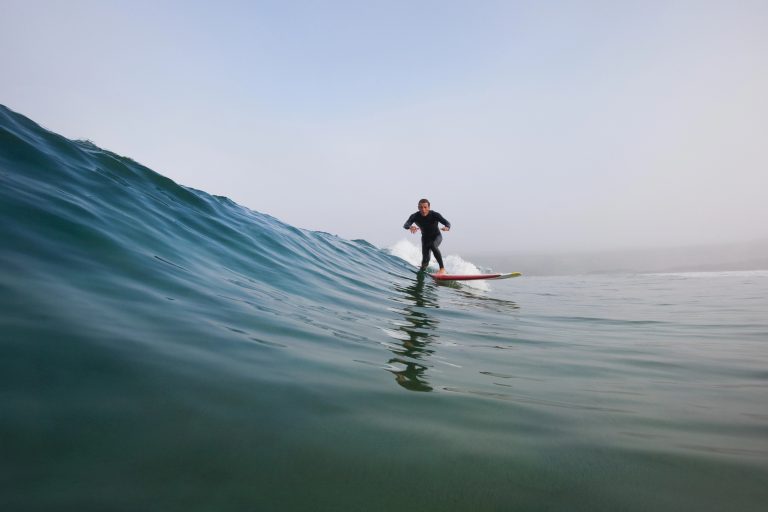
If you’re just starting out in surfing, one of the most critical skills to master early on is paddling out past the breakers. This step is what marks your transition from the ‘whitewater’ waves to the proper lineup or ‘green’ waves where the waves break cleanly and are ready for you to ride. However, getting through the breakers can be tough for beginners. Some breaks have a nice break free path around the breakers but most do not and require some grit and hard work to get to the line up.
Understand Ocean Conditions
Before you jump on your board, spend a few moments observing the water. Being aware of the ocean’s rhythm can help you choose the right time to paddle. Look out for wave sets and observe their patterns; waves often come in groups, known as “sets,” with short lulls, or calm periods, in between. Identifying these lulls is essential since these quiet windows provide the best opportunity to paddle out without fighting breaking waves.
Another thing to look out for is a “channel.” Channels are natural pathways through the surf where waves are less likely to break, often due to variations in the ocean floor. Channels usually appear as deeper, darker areas in the water and can create a smoother route past the breakers. Not all beaches have a clearly visible channel, but when they do, using one can make paddling out much easier.
Keep an eye out for rip currents too. While rip currents can be dangerous if you’re not aware of them, a gentle one can assist you in reaching deeper water more quickly. If you do get caught in a stronger rip current, remember to stay calm and paddle parallel to shore until you’re out of the current.
Practice Your Paddling Technique
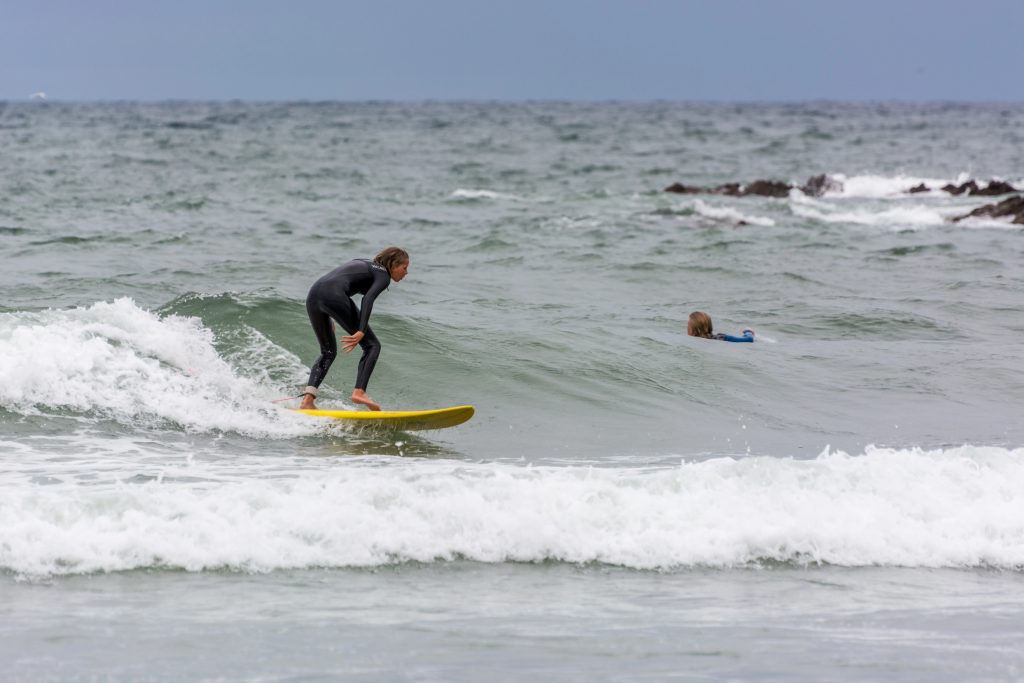
To paddle out past the breakers, position yourself on your surfboard with your body centered and your toes just touching the tail of the board. This keeps you from tipping forward, which can slow you down or even make you fall off the board. Use long, controlled strokes instead of quick, shallow ones. A smooth, deep paddle stroke helps you generate more power and speed.
Remember, don’t just use your arms! Make sure to engage your core, shoulders, and back too for more power. If you’re new to surfing, consider practicing your paddling technique on a calm lake or pool. Getting comfortable with the motion and balance can make all the difference once it comes to the real thing.
Learn Duck Diving and Turtle Rolling
Breaking through incoming waves can be one of the hardest parts of paddling out. This is where techniques like duck diving and turtle rolling will come in handy for you. If you’re on a longer board or a foam board, the turtle roll is generally the preferred method. As a wave approaches, grip the sides of your board, take a deep breath, and flip yourself and your board upside down while holding firmly. This allows the wave to pass over you with minimal resistance. Once it passes, quickly roll back onto your board and resume paddling.
If you’re on a shorter board, we recommend learning the duck dive. With a duck dive, you’ll push the nose of your board downward just before the wave hits. Use your knee or foot on the back of the board to angle it down even further, allowing the wave to pass over you. Both techniques require timing and practice, so start with smaller waves if you can, and don’t be discouraged if it doesn’t go perfectly at first!
Time Your Paddle Out
Timing is key when paddling out, especially in larger waves. If you paddle partway out and then pause, this can leave you in the impact zone, which is where waves break the hardest. Start paddling just before a lull and get as far as you can before the next wave set arrives. Focus on making steady progress rather than stopping after each wave.
In the case that you do get caught in the impact zone, resist the urge to paddle frantically. Take a breath, remain calm, and keep moving forward at a steady pace. If the waves are very intense, you may need to let a few pass before you try to go any further. Just remember, each wave set is temporary so wait for a break in the waves and then keep pushing forward.
Stay Calm and Centered
Being able to remain calm and centered is absolutely necessary when surfing. Facing the waves head on can be intimidating, but panicking will only make things harder. Try to maintain a clear mind, focusing on your technique and breathing steadily. When a wave breaks right in front of you, quickly decide if you’ll duck dive, turtle roll, or simply ride over it if it’s small enough.
In the case that you do get thrown off your board, don’t rush to the surface. Waves push water downward, so wait a brief moment for the turbulence to pass. When resurfacing, place your arms over your head as a precaution, since your board may be nearby. Once you’re back on your board, resume your paddling rhythm while staying relaxed and focused on what’s in front of you.
Build Strength and Endurance for the Long Paddle
Paddling out through breakers is demanding on your body, so building strength and endurance is beneficial. Exercises like push-ups, planks, and core workouts can help with the paddling motion and support your balance on the board. Swimming is also excellent cross-training for surfers; it builds shoulder, core, and back muscles in a way that mirrors paddling.
It’s also a good idea to practice breath control. Try some basic breath-holding exercises to stay calm when submerged by a wave. By incorporating these exercises, it can reduce the natural tendency to panic. The more comfortable you are with holding your breath, the more confident and relaxed you’ll be when diving under waves. Find breathwork courses on adventuro here.
Recognize When to Paddle Out
There will be days when the waves and current are more challenging than usual. Pay attention to the conditions, and don’t feel pressured to paddle out if the waves are too large or seem beyond your current skill level. It’s better to be safe rather than push yourself into turbulent conditions where you could potentially be injured. Starting on smaller waves will help you build confidence and skill, which you can then apply on more challenging days.

Embrace Wipeouts as Part of the Learning Process
Wipeouts are simply a part of surfing. As you paddle out past the breakers, you’ll likely fall or get swept under a few times which is totally normal. Learning to fall safely can make these wipeouts easier to handle. Try to go limp rather than tensing up, and let the wave carry you until the energy dissipates.
When you resurface, try to be aware of where your board is and give yourself a few seconds to reorient yourself. Instead of seeing wipeouts as failures, view them as learning experiences. Each attempt at paddling out teaches you more about how to handle waves, improve your timing, and refine your techniques.
Practice Patience and Enjoy the Journey
Finally, remember that learning to paddle out is a process that takes time, practice, and persistence. With every session, you’ll become more comfortable with your board, more attuned to the waves, and more skilled at paddling out.
When things don’t go as planned, remind yourself why you started: to enjoy the ocean, catch a wave, and experience the joy of surfing. Set small goals for each session, whether it’s paddling out a bit further or mastering a new technique. These incremental improvements will keep you motivated and grounded in your progress.
Bring It All Together
Learning to paddle out through breakers as a beginner is one of surfing’s biggest challenges. By observing the ocean, practicing your paddling and diving techniques, and keeping a calm, focused mindset, you’ll find yourself moving past the breakers with more and more ease. Every surfer has been in your position, and with each attempt, you’re building skills and confidence that will stay with you as you progress.
Take your time and enjoy the journey as you learn a new sport. If you’d like a guide to help teach you the ropes, check out the beginner courses we offer here on adventuro. We also have private surf lessons if you’re looking for a more tailored experience. Luckily, there’s almost always a good wave to catch in the UK and you can pretty much surf year-round. Need some inspiration on where to go? Check out our blog on the best surf spots in the UK and we’ll see you out there on the water.