
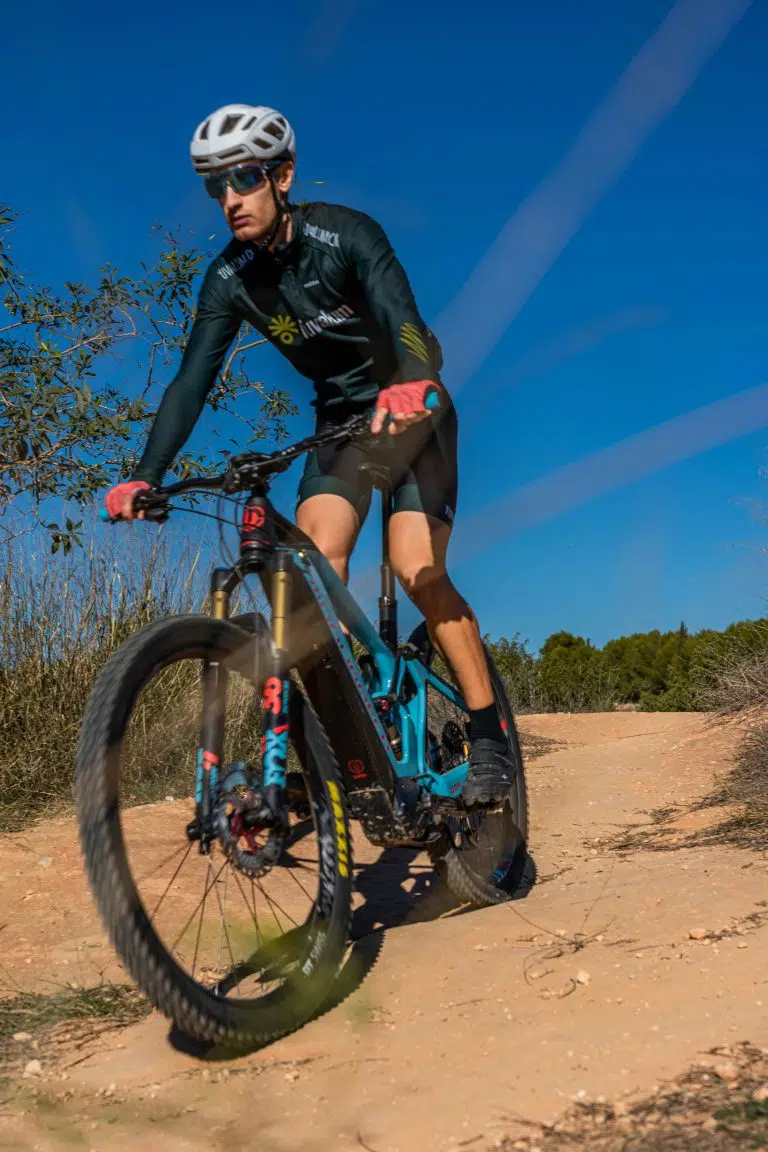
How to Choose an eMTB
TLDR:
When shopping for an eMTB, focus on:
- Battery Capacity: Aim for 500Wh or more for decent range.
- Motor Quality: A mid-drive motor with high torque (70Nm+) offers the best performance. Look for bikes with a combination of torque, speed and cadence sensors for smooth acceleration.
- Suspension: Choose based on your terrain—full suspension for rough trails, hardtail for smoother paths.
- Component Quality: Invest in reliable drivetrains and brakes for durability.
- Fit and Comfort: The bike should feel comfortable and suit your riding style.
- Budget: Balance your needs with what you can afford, remembering that higher-quality components offer better performance and longevity.
Don’t forget to test ride and ensure the bike complies with local laws. Happy riding!
1. Battery Capacity and Types
Selecting the right battery for your eMTB is crucial, as it directly affects your ride’s range, performance, and overall enjoyment. Let’s delve deeper into battery capacity, types, reputable brands, and what to look for when making your choice.
Battery Power (Capacity)
- Measured in Watt-hours (Wh):
- Definition: Watt-hours indicate the total energy a battery can store and deliver over time.
- Common Capacities: eMTB batteries typically range from 400Wh to 700Wh. High-capacity batteries can exceed 700Wh, reaching up to 1000Wh for extended range needs.
- Higher Capacity = Longer Range: A higher Wh rating means you can ride longer distances or use higher assist levels without recharging.
- Consider Your Riding Needs:
- Long Rides and Steep Terrains: If you plan to tackle longer rides or challenging terrains, aim for a battery with 500Wh or more.
- Typical Usage: For casual riding or shorter commutes, a 400Wh battery may suffice.
Types of Batteries
- Lithium-Ion Batteries (Li-ion):
- Most Common Type: Almost all modern eMTBs use Li-ion batteries due to their high energy density, lightweight, and longevity.
- Advantages:
- Lightweight and Compact: Offers more energy storage without adding excessive weight.
- Long Lifespan: Typically lasts for 500-1000 full charge cycles.
- Fast Charging Capabilities: Many support rapid charging options.
- Lithium-Ion Variants:
- Lithium Nickel Manganese Cobalt Oxide (NMC): Balances energy density and longevity; widely used in eMTBs.
- Lithium Iron Phosphate (LiFePO4): Known for safety and long cycle life but is heavier and has a lower energy density.
Integrated vs. Removable Batteries
- Integrated Batteries:
- Design: Built into the bike’s frame, usually in the downtube.
- Aesthetics: Provides a sleek, streamlined look, resembling traditional mountain bikes.
- Protection: Better shielded from the elements (dirt, moisture).
- Charging Considerations: May require bringing the entire bike to a power source.
- Examples:
- Specialized Turbo Levo Series: Features integrated batteries up to 700Wh.
- Trek Rail Models: Use integrated Bosch PowerTube batteries.
- Removable Batteries:
- Convenience: Easily detached for charging indoors or swapping with a spare battery.
- Flexibility: Ideal if you store your bike in a garage or shed without power.
- Security: Allows you to remove the battery to deter theft.
- Examples:
What to Look For
- Your Riding Distance and Terrain:
- Estimate Your Needs: Longer rides and hilly terrains consume more battery power.
- Assist Level Usage: Frequent use of higher assist modes drains the battery faster.
- Battery Placement and Design:
- Weight Distribution: Integrated batteries can improve balance and handling.
- Ease of Charging: Removable batteries offer more convenience if indoor charging is preferred.
Additional Tips
- Charge Time:
- Standard Charging: Typically takes 3-5 hours for a full charge.
- Fast-Charging Options: Some systems offer quick charging capabilities.
- Bosch Fast Charger: Charges a 500Wh battery to 50% in about 1.5 hours.
- Yamaha’s PW-X2 System: Supports faster charging for their batteries.
- Battery Brand and Compatibility:
- Reputable Brands:
- Bosch: Known for reliability and widespread service support.
- Shimano: Offers seamless integration with their STEPS motor systems.
- Yamaha: Provides durable batteries with consistent performance.
- Brose: Collaborates with brands like Specialized for custom solutions.
- Compatibility: Ensure the battery is compatible with the motor and electronics of the eMTB.
- Reputable Brands:
Reputable Battery Brands
- Bosch:
- PowerTube Series: Integrated batteries ranging from 400Wh to 625Wh.
- PowerPack Series: External batteries from 300Wh to 500Wh.
- Features: Advanced Battery Management Systems (BMS) for safety and longevity.
- Shimano STEPS:
- Integrated and External Options: Batteries like the BT-E8035 (504Wh) integrated model.
- Features: Compact design with efficient energy use and quick charging.
- Yamaha:
- External Batteries: Options like 500Wh units compatible with their PW motor series.
- Features: High durability and multi-mount systems for versatility.
- Specialized:
- Custom Solutions: Specialized M2 batteries up to 700Wh.
- Features: Paired with their own motor systems for optimized performance.
- Panasonic and LG Chem:
- OEM Suppliers: Provide cells used in many eMTB batteries for brands like Giant.
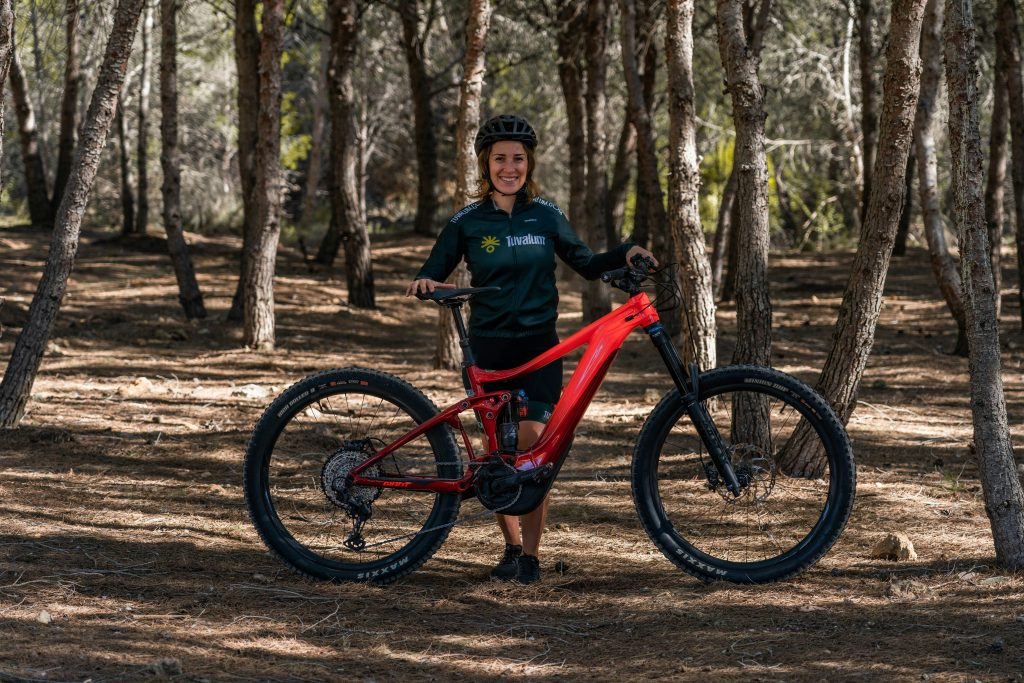
Emerging Battery Technologies
- Dual Battery Systems:
- Extended Range: Some bikes support two batteries, doubling capacity.
- Examples: Riese & Müller eMTBs with DualBattery Technology.
- Range Extenders:
- Additional Power: Smaller auxiliary batteries to supplement the main battery.
- Examples: Specialized Range Extender adds 160Wh of capacity.
Battery Care Tips
- Optimal Charging Practices:
- Avoid Deep Discharges: Recharge before the battery is completely drained.
- Regular Use: Batteries perform best when used frequently.
- Storage Recommendations:
- Temperature Control: Store between 10°C and 20°C (50°F and 68°F).
- Partial Charge: For long-term storage, keep the battery at around 60% charge.
- Safety Precautions:
- Use Original Chargers: Prevents overcharging and potential damage.
- Inspect Regularly: Look for signs of damage or swelling.
2. Motor Type and Power
Selecting the right motor is crucial when choosing an eMTB, as it directly influences performance, handling, and the overall riding experience. Here’s an in-depth look at motor types, key terms, practical considerations, and advanced insights to help you make an informed decision.
Motor Location
Mid-Drive Motors:
- Positioning: Located at the bike’s crankset, integrating the motor with the pedal drivetrain.
- Advantages:
- Natural Riding Feel: Power is delivered directly through the chain, providing smooth and intuitive assistance that matches your pedaling effort.
- Better Weight Distribution: Central and low placement improves the bike’s balance and handling, essential for technical terrains and sharp turns.
- Efficient Use of Gears: The motor benefits from the bike’s gear system, allowing for optimal performance across various speeds and gradients.
- Considerations:
- Increased Wear on Drivetrain: The added torque can accelerate wear on chains and sprockets, necessitating more frequent maintenance.
- Cost: Typically more expensive due to complexity and performance benefits.
Hub Motors:
- Positioning: Mounted in the front or rear wheel hub, independent of the bike’s drivetrain.
- Advantages:
- Simplicity: Fewer moving parts make hub motors generally more reliable with less maintenance.
- Cost-Effective: Often less expensive than mid-drive systems.
- Considerations:
- Weight Distribution: Rear hub motors add unsprung weight, affecting suspension performance and handling, particularly on rough terrain.
- Less Efficient Climbing: Without access to the bike’s gears, hub motors may struggle on steep inclines.
Key Terms Defined:
- Crankset: The component of the bicycle that the pedals attach to, which turns the chain and propels the bike.
- Unsprung Weight: The mass of components not supported by the suspension (e.g., wheels, brakes), which affects ride quality.
Motor Power and Torque
Measures the motor’s rate of energy consumption or output. One watt (W) is one joule per second. eMTB motors usually range from 250W to 750W.
- Legal Considerations:
- Europe: Generally limited to 250W continuous power output as per EU regulations.
- United States: Class 1 and 3 e-bikes are limited to 750W (approximately 1 horsepower).
Torque (Newton-meters):
Torque is the rotational equivalent of linear force, measured in Newton-meters (Nm). It indicates the motor’s twisting force applied to the drivetrain. Higher torque means stronger assistance, especially noticeable during acceleration and climbing steep hills.
- Typical Values: Modern eMTB motors offer torque ratings from 50Nm to 90Nm.
- Examples:
- Bosch Performance Line CX: Up to 85Nm.
- Shimano EP8: Up to 85Nm.
- Brose Drive S Mag: Up to 90Nm.
- Examples:
Understanding Motor Characteristics
- Assist Modes: Most motors offer multiple modes (Eco, Trail, Turbo) that adjust the level of assistance.
- Customization: Some systems allow you to fine-tune these modes via companion apps, tailoring the motor response to your preferences.
- Torque Sensors: Measure the force applied to the pedals, providing proportional assistance and a natural feel.
- Cadence Sensors: Detect pedal rotation speed, ensuring assistance only when pedaling.
- Speed Sensors: Monitor the bike’s speed to comply with legal limits.
- Energy Consumption: Higher power and torque levels can drain the battery faster.
What to Look For
- Advanced Sensors:
- Motors equipped with high-quality torque and cadence sensors offer more responsive and intuitive power delivery.
- Benefit: Enhances control, making the bike feel like an extension of your body.
- Software Algorithms:
- Intelligent motor management systems adjust assistance seamlessly based on riding conditions.
- Examples: Bosch’s eMTB mode dynamically adjusts support between Tour and Turbo levels.
Brand Reputation:
- Bosch:
- Models: Performance Line CX, known for reliability and a widespread service network.
- Features: eMTB mode, robust torque, and natural pedal feel.
- Shimano STEPS:
- Models: EP8 and E7000 series, offering a natural pedaling feel and customizable settings via the E-Tube Project app.
- Features: Lightweight design, quiet operation, and heat management.
- Brose:
- Models: Drive S Mag, praised for quiet operation and high torque output.
- Collaborations: Often found in Specialized eMTBs.
- Yamaha:
- Models: PW-X2 and PW-X3, known for robust performance and durability.
- Features: Quad Sensor System for precise assistance.
- Fazua and TQ:
- Emerging Brands:
- Fazua: Offers lightweight, removable motor systems for a more natural ride feel.
- TQ Systems: Provides high-torque motors with minimal noise, featured in some Trek models.
- Emerging Brands:
Legal Compliance:
Ensure the motor’s power output complies with regional laws. Motors often limit assistance at certain speeds (e.g., 25 km/h in Europe, 20 mph in the U.S.).
Maintenance and Support:
- Service Availability:
- Dealer Network: Brands with extensive dealer networks make maintenance and repairs more convenient.
- Warranty:
- Coverage: Look for motors with robust warranty terms (typically 2 years or more).
Motor Weight and Size:
Lighter Motors contribute to a more agile bike, important for technical trails. Smaller motors allow for better frame geometry and ground clearance:
- Examples:
- Shimano EP8: Weighs only 2.6 kg, improving bike handling.
- Brose Drive S Mag: Uses a magnesium casing to reduce weight.
Thermal Management:
Efficient cooling prevents power loss due to overheating and extends motor life. Some motors use heat sinks or thermal pads; Shimano EP8 has improved heat dissipation over previous models.
Customization and Connectivity:
- Apps and Software:
- Tuning Options: Adjust assist levels, torque curves, and other parameters via smartphone apps.
- Examples:
- Shimano E-Tube Project App: Allows fine-tuning of Eco, Trail, and Boost modes.
- Bosch eBike Connect: Offers ride data analysis and over-the-air updates.
- Firmware Updates:
- Performance Improvements: Manufacturers release updates to enhance motor function and fix issues.
Integration with Bike Components:
- Drivetrain Compatibility:
- E-Bike Specific Components: Use of reinforced chains, cassettes, and chainrings designed for eMTB torque levels.
- Display and Controls:
- Ergonomics: Intuitive controls and clear displays improve usability.
- Minimalist Options: Some systems offer discreet displays for a cleaner cockpit, like the Shimano STEPS minimalist display or Bosch’s Purion.
Practical Tips for Choosing a Motor
- Test Ride Multiple Bikes:
- Feel the Difference: Motor performance can vary significantly between brands and models.
- Assess Responsiveness: Notice how quickly the motor responds to your pedaling input.
- Assess Your Riding Style:
- Aggressive Riding:
- Higher Torque Motors: Benefit riders tackling steep, technical climbs.
- Examples: Bosch Performance Line CX, Brose Drive S Mag.
- Leisurely Riding:
- Lower Torque May Suffice: Extends battery life and provides smoother assistance.
- Examples: Shimano E6100 series.
- Aggressive Riding:
- Consider Future Needs:
- Software Upgrades: Motors with updatable firmware can improve over time.
- Accessory Compatibility: Check for compatibility with additional sensors or components.
- Check Legal Restrictions:
- Local Laws: Ensure the motor’s power and speed settings are legal for your intended use areas.
- Maintenance Requirements:
- Ease of Service: Some motors are easier to service or have better dealer support.
- Spare Parts Availability: Important for long-term ownership.
Key Terms Defined
- Assist Modes: Pre-set levels of motor assistance, typically adjustable during the ride.
- Torque Sensor: Measures the force applied to the pedals, allowing the motor to provide proportional assistance.
- Cadence Sensor: Detects the speed at which you pedal, ensuring assistance only when you’re pedaling.
- Firmware: Software programmed into the motor’s electronic system, controlling its functions.
Advanced Insights
- Regenerative Braking:
- Rare in eMTBs: Due to inefficiencies and added weight, regenerative braking is uncommon in eMTBs.
- Motor Inertia:
- Resistance When Off: Some motors offer minimal drag when not providing assistance, important if you need to pedal without power.
- Examples: Fazua motors decouple at higher speeds, reducing resistance.
- Dual Battery Systems:
- Extended Range: Some bikes support dual batteries for longer rides.
- Anti-Tuning Measures:
- Compliance: Motors may have features to prevent illegal modifications that increase speed or power beyond legal limits.
Final Guidance
By understanding these aspects, you can select an eMTB motor that aligns with your performance expectations, riding style, and practical needs. Remember to:
- Prioritize Quality and Reliability: Opt for reputable brands known for durability and support.
- Match Motor Characteristics to Your Needs: Consider torque, power output, and motor responsiveness based on where and how you ride.
- Think Ahead: Ensure the motor system is future-proof with updatable software and widespread service availability.
3. Suspension
Types of Suspension:
- Hardtail (Front Suspension Only): Lighter and less expensive, suitable for smoother trails and climbs.
- Full Suspension (Front and Rear): Offers better control and comfort on rough and technical terrains.
Suspension Travel:
- Trail Riding: 120mm to 140mm of travel handles most terrains.
- Enduro/All-Mountain: 150mm to 170mm for more aggressive trails.
- Downhill: 180mm+ for extreme terrains.
What to Look For:
- Quality Components: Suspension from brands like Fox or RockShox.
- Adjustability: Features like lockout and rebound adjustment for tuning the suspension to your preference.
4. Frame Material and Geometry
Materials:
- Aluminum Alloy: Durable and cost-effective.
- Carbon Fiber: Lighter and stiffer but comes at a higher price.
Geometry:
- Fit: Ensure the frame size matches your height and inseam for comfort and efficiency.
- Modern Geometry: Look for a slack head angle and longer reach for better stability on descents.
What to Look For:
- Reinforced Frames: eMTBs are heavier; a sturdy frame is crucial.
- Cable Management: Internal routing protects cables and offers a cleaner look.
5. Wheel Size and Tires
Wheel Sizes:
- 27.5-inch Wheels: More agile and responsive, great for tight trails.
- 29-inch Wheels: Roll over obstacles more easily, maintain speed better.
Tires:
- Width: Wider tires (2.4″ to 2.8″) provide better traction and cushioning.
- Tread Pattern: Choose based on terrain—aggressive knobs for muddy trails, smoother tread for hardpack.
What to Look For:
- Tubeless-Ready Wheels: Allow you to run tubeless tires, reducing flats and allowing lower tire pressures for better grip.
- Strong Rims: Durable rims withstand the added weight and torque of an eMTB.
6. Drivetrain and Brakes
Drivetrain:
- Gearing: A wide-range cassette (like 12-speed) helps with climbing and high-speed pedaling.
- Single Chainring (1x Setup): Simplifies shifting and reduces weight.
Brakes:
- Hydraulic Disc Brakes: Essential for reliable stopping power.
- Rotor Size: Larger rotors (180mm to 203mm) dissipate heat better and improve braking performance.
What to Look For:
- E-Bike Specific Components: Some drivetrains and brakes are reinforced for the demands of eMTB riding.
- Quality Brands: Shimano and SRAM offer reliable drivetrain and brake components.
7. Display and Controls
User Interface:
- Ease of Use: Controls should be intuitive and reachable without taking your hands off the grips.
- Display Information: Look for displays that show battery level, assist mode, speed, and range.
Advanced Features:
- Connectivity: Some systems offer Bluetooth or ANT+ connectivity for pairing with apps or heart rate monitors.
- Customization: Ability to adjust assist levels and motor response via apps.
8. Intended Use and Riding Style
- Trail Riding: If you enjoy a mix of climbs and descents on moderate trails, look for a versatile eMTB with balanced geometry.
- Aggressive Riding: For technical and steep trails, prioritize robust suspension and stronger components.
- Leisure and Fitness: If you ride for fitness or casual enjoyment, a hardtail with a comfortable geometry might suffice.
9. Budget
When you’re in the market for an eMTB, understanding the different price ranges and what they offer can help you make an informed decision.
Entry-Level (£1,500 – £3,000)
Overview: Entry-level eMTBs are perfect for beginners or casual riders. They come with basic components and are suitable for light trail use or commuting.
What to Expect:
- Motor: Lower-powered motors, typically around 250W with moderate torque.
- Battery: Smaller capacity batteries, usually between 400Wh and 500Wh.
- Components: Basic suspension systems, mechanical or entry-level hydraulic disc brakes, and fundamental drivetrains.
- Frame Material: Generally made of aluminum alloy.
Example Bikes:
- Voodoo Zobop E-Shimano Electric Mountain Bike (£2,599)
- Motor: Shimano STEPS E7000, 250W, 60Nm torque.
- Battery: Shimano 504Wh battery.
- Suspension: Suntour AION 35 front fork with 140mm travel; rear suspension with 140mm travel.
- Drivetrain: Shimano Deore 10-speed.
- Brakes: Clarks M2 hydraulic disc brakes.
- Features: Dropper seatpost, 27.5-inch wheels.
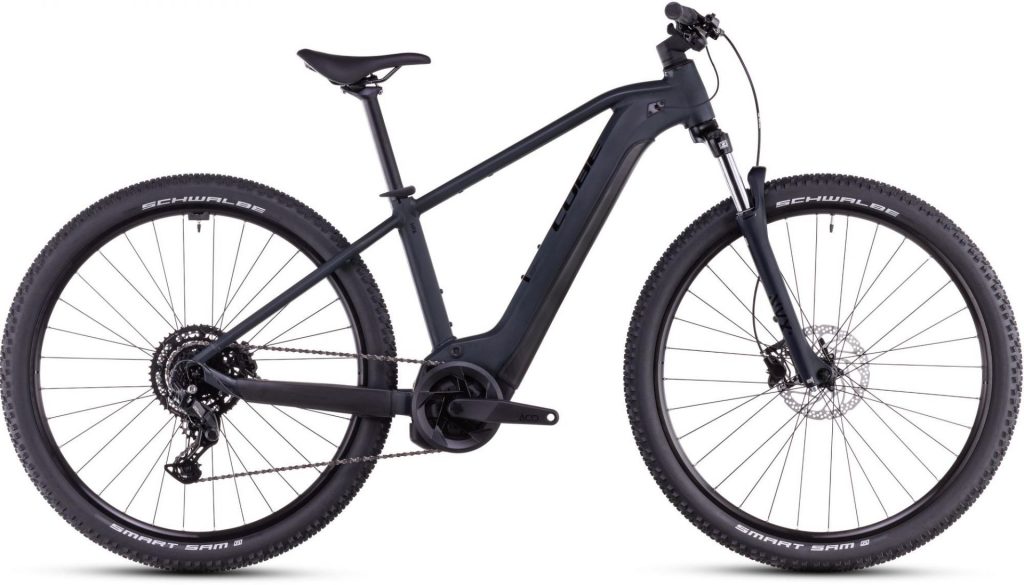
- Cube Reaction Hybrid Performance (£2,299)
- Motor: Bosch Drive Unit Performance Generation 3, 250W, 65Nm torque.
- Battery: Bosch PowerTube 500Wh.
- Suspension: SR Suntour XCM ATB Coil fork with 100mm travel.
- Drivetrain: Shimano Deore 10-speed.
- Brakes: Shimano MT200 hydraulic disc brakes.
- Features: Internal cable routing, 29-inch wheels.
Mid-Range (£3,000 – £5,000)
Overview: Mid-range eMTBs offer improved components, more powerful motors, and larger batteries. Ideal for riders who want enhanced performance and plan to tackle more challenging trails.
What to Expect:
- Motor: Higher torque motors like Bosch Performance Line CX or Shimano STEPS E8000/E7000.
- Battery: Larger capacity batteries, ranging from 500Wh to 625Wh.
- Components: Better suspension systems with increased adjustability, hydraulic disc brakes, and mid-range drivetrains.
- Frame Material: Quality aluminum frames with refined geometry.
Example Bikes:
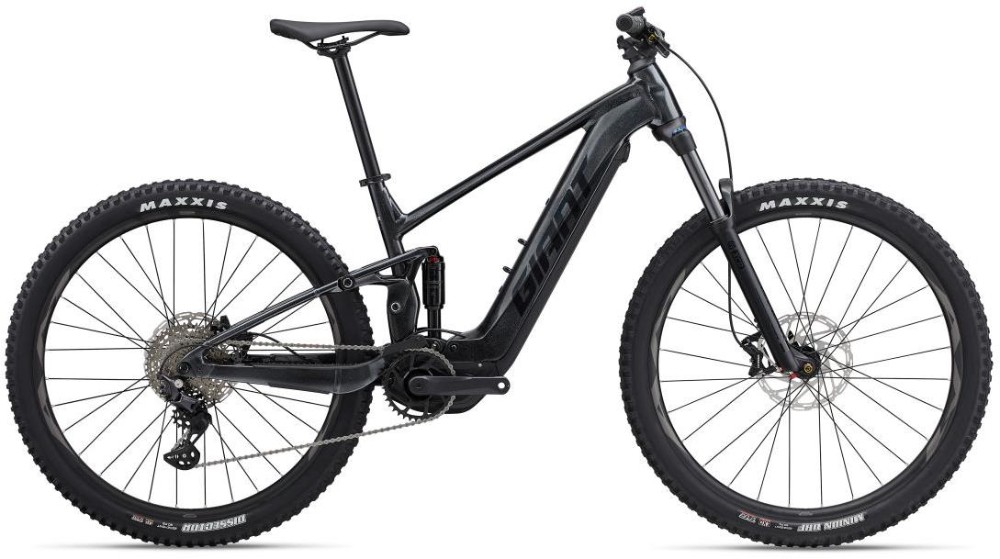
- Giant Stance E+ 2 (£3,599)
- Motor: Giant SyncDrive Sport powered by Yamaha, 250W, 70Nm torque.
- Battery: Giant EnergyPak Smart 500Wh.
- Suspension: RockShox 35 Gold RL fork with 130mm travel; rear suspension with 120mm travel.
- Drivetrain: Shimano Deore 1×10-speed.
- Brakes: Tektro HD-M745 Orion 4-piston hydraulic disc brakes.
- Features: Tubeless-ready wheels, RideControl ONE control panel.
- Trek Powerfly 4 (£3,650)
- Motor: Bosch Performance Line CX, 250W, 85Nm torque.
- Battery: Bosch PowerTube 500Wh.
- Suspension: SR Suntour XCM 34 front fork with 120mm travel.
- Drivetrain: Shimano Deore 1×10-speed.
- Brakes: Shimano MT200 hydraulic disc brakes.
- Features: Removable Integrated Battery (RIB) system, Smart Wheel Size.
Upper Mid-Range (£5,000 – £7,000)
Overview: Bikes in this range feature high-quality components, advanced suspension systems, and more powerful motors. They’re suitable for enthusiasts who frequently ride demanding trails.
What to Expect:
- Motor: Top-tier motors with high torque outputs.
- Battery: Large capacity batteries up to 700Wh.
- Components: High-performance suspension with extensive adjustability, advanced drivetrains, and powerful brakes.
- Frame Material: High-grade aluminum or entry-level carbon frames.
Example Bikes:
- Specialized Turbo Levo Comp (£5,500)
- Motor: Specialized 2.1 motor, 250W, 90Nm torque.
- Battery: Specialized M2-700, 700Wh.
- Suspension: RockShox Lyrik Select front fork with 150mm travel; rear suspension with 150mm travel.
- Drivetrain: SRAM NX Eagle 12-speed.
- Brakes: SRAM Guide RE hydraulic disc brakes.
- Features: Full aluminum frame, Mission Control App connectivity.
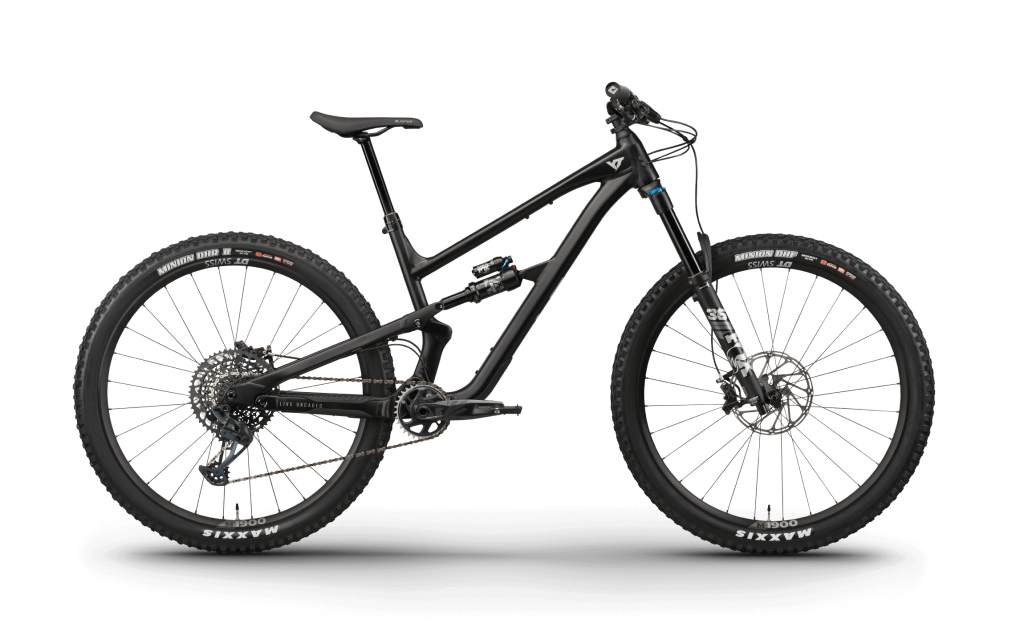
- Canyon SpectralCF 7.0 (£5,699)
- Motor: Shimano STEPS EP8, 85Nm torque.
- Battery: Shimano BT-E8036 630Wh battery.
- Suspension: FOX 36 Rhythm fork with 150mm travel; rear suspension with 150mm travel.
- Drivetrain: Shimano SLX 12-speed.
- Brakes: Shimano MT520 4-piston hydraulic disc brakes.
- Features: Carbon fiber front triangle, mullet wheel setup (29″ front, 27.5″ rear).
High-End (£7,000 – £10,000)
Overview: High-end eMTBs come with top-of-the-line components, carbon frames, and cutting-edge technology. Designed for serious riders who demand peak performance on the most challenging trails.
What to Expect:
- Motor: The latest high-performance motors with advanced features.
- Battery: High-capacity batteries with intelligent management systems.
- Components: Premium suspension (often electronic), top-tier drivetrains, and powerful brakes.
- Frame Material: Full carbon frames for reduced weight and increased stiffness.
- Advanced Features: Integrated displays, connectivity options, customizable motor settings, and sometimes electronic shifting.
Example Bikes:
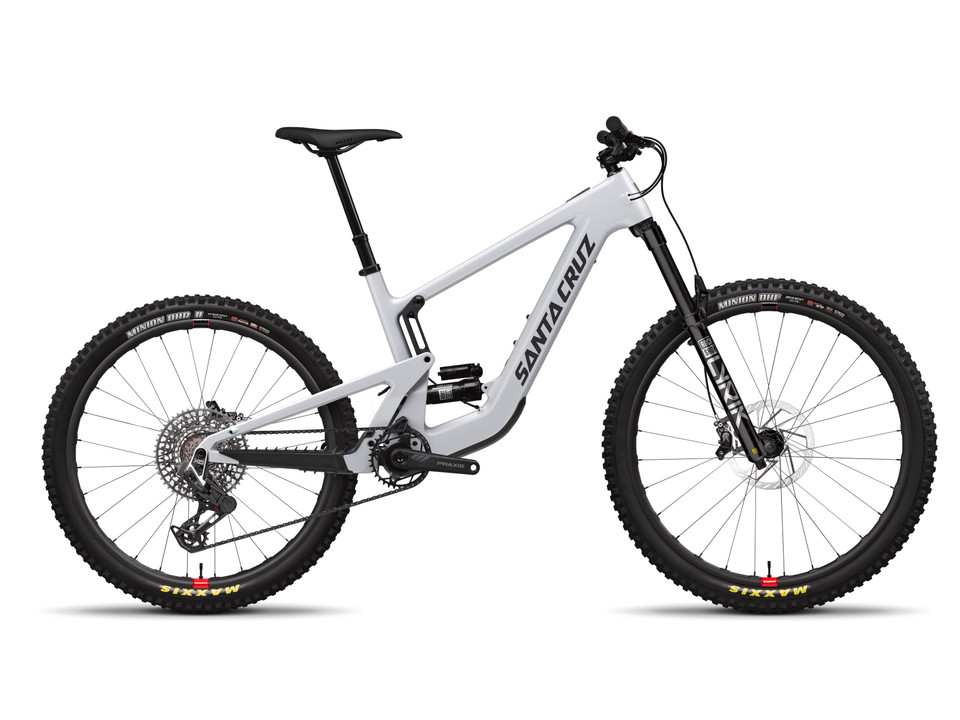
- Santa Cruz Heckler CC R (£7,999)
- Motor: Shimano STEPS EP8, 85Nm torque.
- Battery: Integrated 504Wh battery.
- Frame: Full carbon CC frame.
- Suspension: RockShox Lyrik Select front fork with 160mm travel; rear suspension with 140mm travel.
- Drivetrain: SRAM NX Eagle 12-speed.
- Brakes: SRAM Guide RE hydraulic disc brakes.
- Features: Adjustable geometry, 27.5-inch wheels.
- Orbea Wild FS M10 (£7,599)
- Motor: Bosch Performance Line CX, 250W, 85Nm torque.
- Battery: Bosch PowerTube 625Wh.
- Frame: OMR carbon frame.
- Suspension: FOX 38 Float Performance fork with 160mm travel; rear suspension with 160mm travel.
- Drivetrain: Shimano XT 12-speed.
- Brakes: Shimano XT M8120 hydraulic disc brakes.
- Features: Customizable through Orbea’s MyO program.
Ultra High-End (£10,000 and Above)
Overview: These eMTBs represent the pinnacle of technology, performance, and craftsmanship. Ideal for riders who want the absolute best without compromise.
Example Bikes:
- Specialized S-Works Turbo Levo (£11,499)
- Motor: Specialized 2.1 motor, 250W, 90Nm torque.
- Battery: Specialized M2-700, 700Wh.
- Frame: Full FACT 11m carbon frame.
- Suspension: FOX Factory 36 fork with 160mm travel; rear suspension with 150mm travel.
- Drivetrain: SRAM XX1 Eagle AXS 12-speed wireless.
- Brakes: SRAM Code RSC 4-piston hydraulic disc brakes.
- Features: Customizable motor tuning via Mission Control App, carbon wheels.
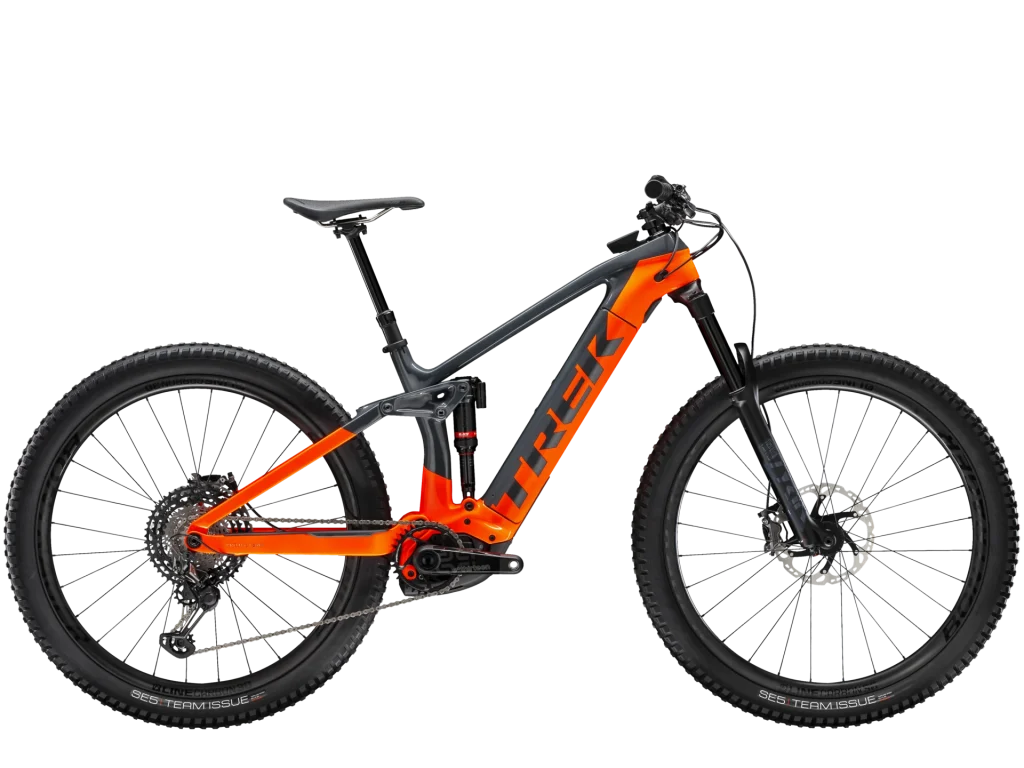
- Trek Rail 9.9 XTR (£11,800)
- Motor: Bosch Performance Line CX, 250W, 85Nm torque.
- Battery: Bosch PowerTube 625Wh.
- Frame: OCLV Mountain Carbon frame.
- Suspension: RockShox ZEB Ultimate fork with 160mm travel; rear suspension with 150mm travel.
- Drivetrain: Shimano XTR 12-speed.
- Brakes: Shimano XTR hydraulic disc brakes.
- Features: Kiox display, adjustable geometry, Bontrager carbon wheels.
Sometimes spending a bit more upfront saves money on repairs and upgrades later. Think about how your riding might evolve and choose a bike that can grow with you.