
Snorkelling in Puerto Plata & Sosa
A mix of Atlantic beaches, green foothills and breezy headlands. Gentle coastal adventure and warm sea conditions dominate.
No activities match your filters
Try adjusting your filters or
Overview
What is Snorkelling?
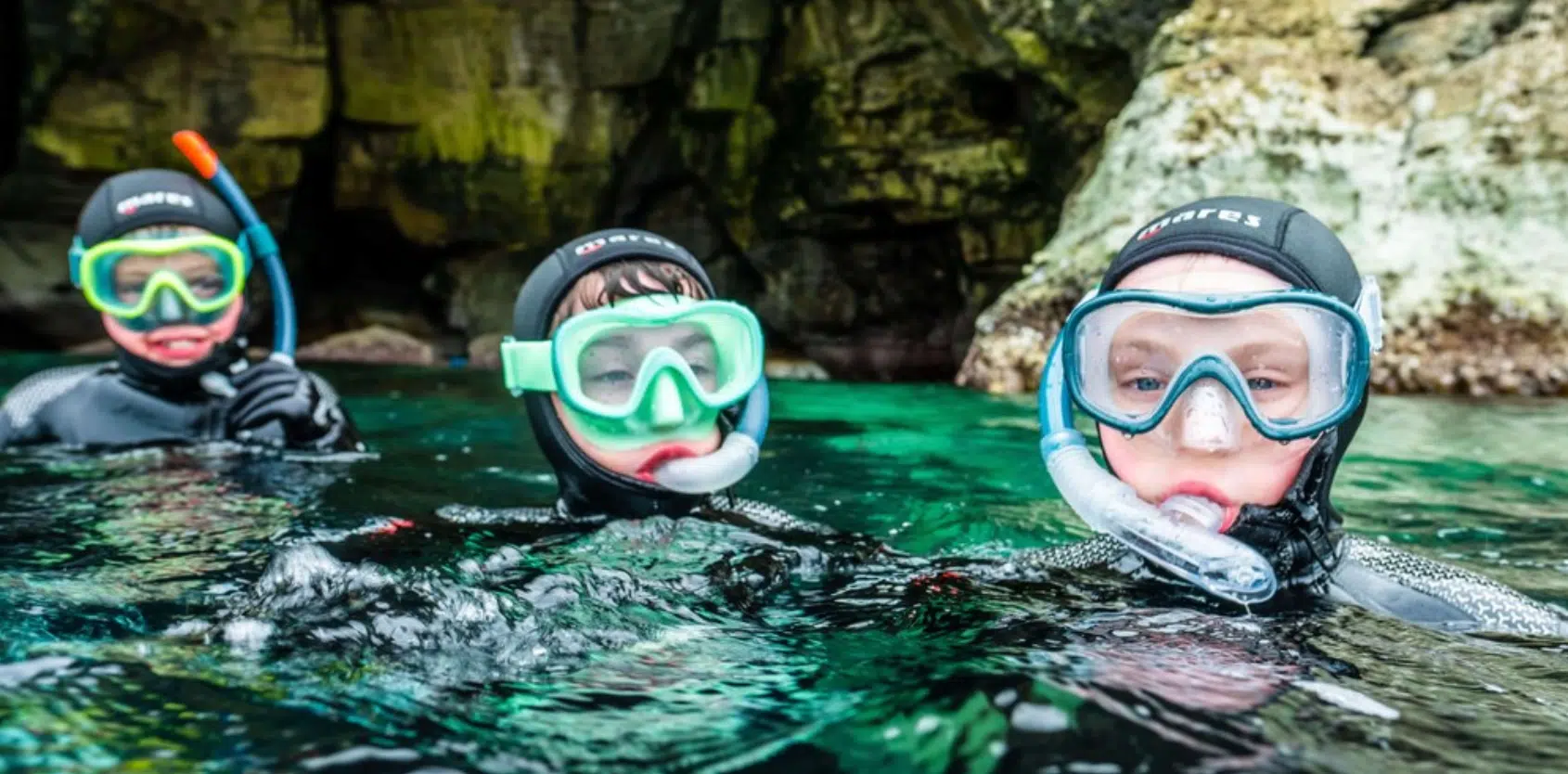
Snorkelling involves breathing through a snorkel tube while floating face-down on the water surface, using a mask to see underwater clearly. It differs from scuba diving in that it does not require bulky equipment, tanks, or certification. The main equipment includes a mask, snorkel, and fins, with wetsuits often used in cooler waters for thermal protection. The activity generally takes place in calm, shallow waters such as coastal bays, lagoons, and lakes where visibility is good and marine life is abundant.
This activity is suitable for most people who have basic swimming skills. It allows observation of underwater habitats including fish, coral, seaweed, and rock formations. Snorkelling is low-impact and can be adapted for all ages and fitness levels. Sessions are typically led by instructors who provide equipment, teach essential skills like clearing water from the snorkel, equalising mask pressure, and safe swimming techniques, and supervise participants for safety.
The guided environment ensures risks such as fatigue, currents, or water inhalation are managed. Instructors also highlight local flora and fauna, increasing the educational value. Unlike solo snorkelling, guided sessions improve confidence and reduce hazards. Equipment hire is often included in sessions, removing the need for personal gear.
How Can I Get Involved?
Most snorkelling experiences start with a briefing covering equipment use, safety rules, and basic techniques. Instructors fit masks and snorkels to ensure a comfortable seal and correct positioning. Participants practise skills such as breathing through the snorkel, clearing water, and finning in shallow water before moving to deeper spots. This gradual progression builds competence and reduces anxiety.
Sessions may last between one and three hours depending on conditions and group size. They often take place in locations chosen for calm water, clear visibility, and interesting marine environments. Group sizes vary but are usually small to allow personalised attention. Some providers offer progression courses to improve skills or introduce freediving.
Equipment hire includes masks, snorkels, fins, and wetsuits where needed. Many sessions do not require previous experience, making them suitable for first-timers, but participants should be comfortable in the water and able to swim short distances. Some providers may set minimum age requirements.
Regular participation can improve swimming stamina, breath control, and underwater observation skills. It also serves as an introduction to more advanced water sports such as freediving or scuba diving. Many people take part as a leisure activity on holidays, but local sessions are often available, making snorkelling an accessible way to connect with the underwater world year-round.
Booking a guided session guarantees expert supervision, equipment quality, and a safer experience compared to snorkelling alone. It also provides a chance to learn about marine ecosystems from professionals, enhancing both safety and enjoyment.
