What is Kite Buggying?
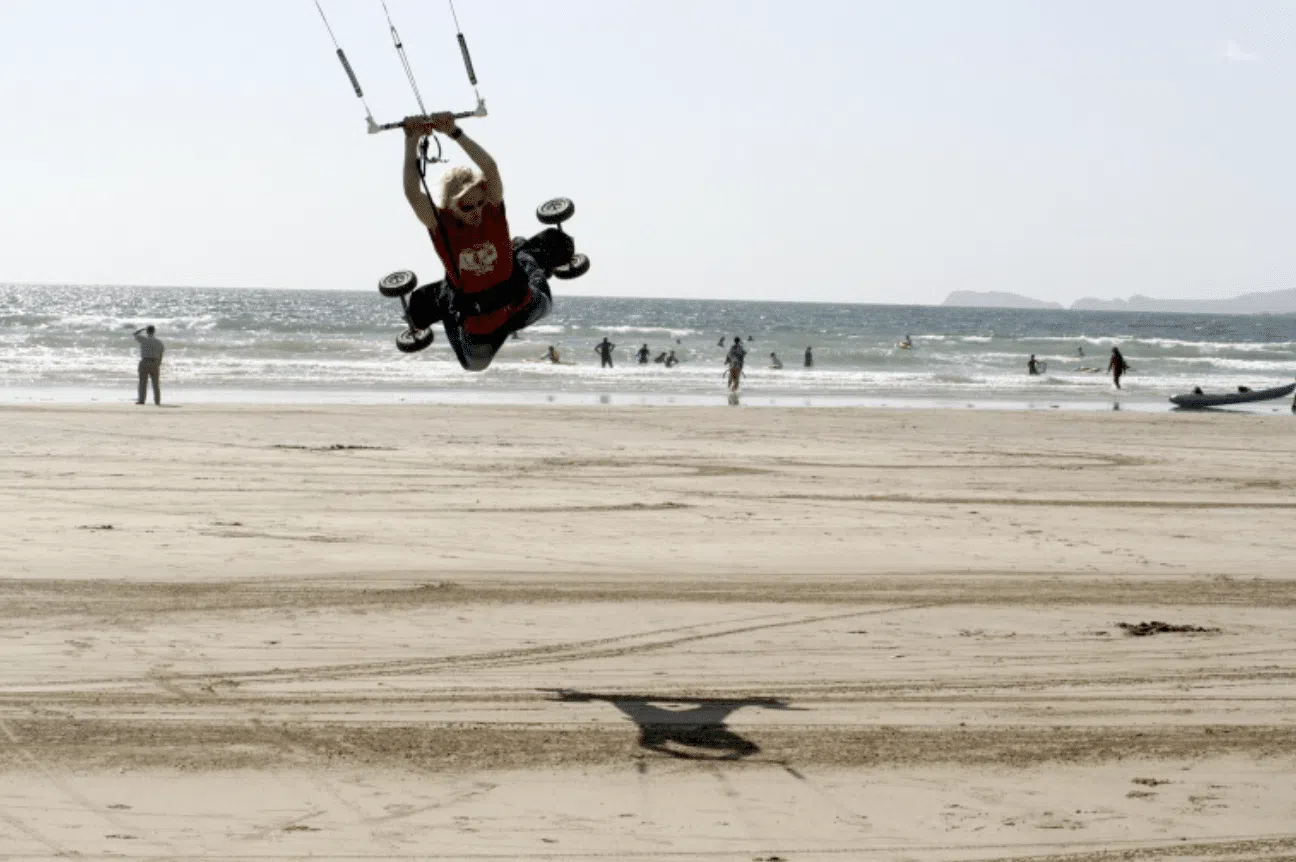
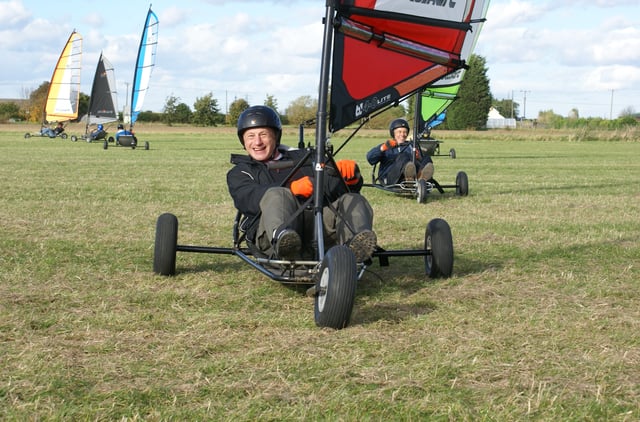
Kite buggying is a wind-powered land sport where the rider sits in a three-wheeled buggy and uses a large power kite to generate movement. The buggy typically has a lightweight frame with two rear wheels and one front wheel used for steering. The kite acts as the primary source of propulsion, pulling the buggy across flat open surfaces such as beaches, fields, or dry lake beds. The rider controls the speed and direction by managing both the kite and the buggy’s steering system.
The power kites used in kite buggying are usually designed to produce strong lift and pull, enabling the buggy to reach significant speeds. The sport combines elements of kite flying, sailing, and driving, requiring coordination between kite handling and buggy control. Riders can travel in straight lines, turn corners, or perform controlled slides depending on wind conditions and skill level. Unlike other kite sports, the rider remains seated, which changes the dynamics of control and balance.
Kite buggying has developed from the wider category of kite landboarding and kite surfing sports. Its appeal lies in the ability to cover ground quickly without needing waves or water. It is often practiced in areas where there is ample open space and consistent wind. The sport can be recreational or competitive, with races and freestyle events held in some locations.
How Kite Buggying Works and What to Expect
Riders begin by launching the power kite into the wind to generate pull. The kite’s position in the wind window controls how much force it produces. By steering the kite left or right and adjusting its angle, the rider manages acceleration and direction. Simultaneously, the buggy is steered by turning the front wheel with the feet or hands, depending on the buggy design. This dual control system requires attention to both kite movement and buggy handling.
Once underway, the rider uses the wind’s power to gain momentum. The speed can vary widely based on wind strength, kite size, and surface conditions. More experienced riders can reach high speeds and perform advanced manoeuvres such as drifting or carving tight turns. However, the sport also allows for slower, more controlled movement suited to beginners.
The terrain plays a crucial role in the experience. Smooth, flat surfaces allow for easier control and faster speeds. Obstacles or uneven ground increase the challenge and require more precise steering. Wind conditions also affect performance; consistent winds provide steady pull, while gusty or shifting winds demand quick adjustments.
Safety considerations are important since the sport involves significant forces and speeds. Riders typically use safety systems to depower the kite quickly if needed, and protective gear is recommended. Controlling the kite’s power is essential to avoid accidents or loss of control.
Overall, kite buggying offers a way to use wind energy to travel over land at speed. The activity depends heavily on environmental conditions and the rider’s ability to coordinate kite flying with vehicle steering. It can be pursued casually for fun or more seriously in competitive settings.