
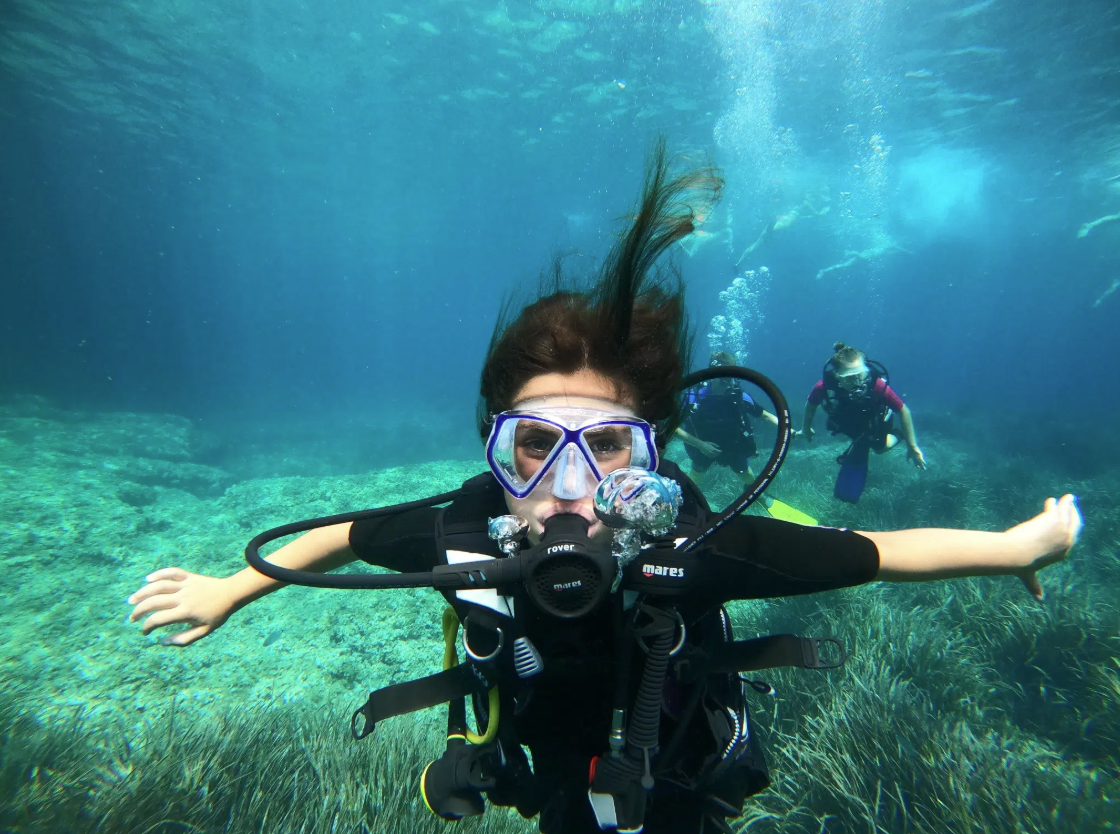
Flying and Aviation in Mallorca
Serra de Tramuntana ridge, sheltered calas; famous for spring road-cycling camps, coastal trekking and sea-cave kayak trips.
Overview
Flying is one of the most exhilarating and technical pursuits you can take on. It’s not just about getting from A to B—it’s about mastering a complex skill, understanding aerodynamics, and experiencing the world from a whole new perspective. For many, it starts with a trial flight in a light aircraft or microlight. From there, you can progress through structured training programmes like the NPPL (National Private Pilot Licence) or the internationally recognised PPL (Private Pilot Licence).
Flying covers a family of sports and licences rather than one activity. You can start with a trial lesson and then choose the aircraft and training route that fits your goals, time and budget.
The main types of sport aviation
-
Fixed-wing light aircraft (PPL/LAPL/NPPL) – The classic Cessna/Piper style aeroplane. Great for local flights, touring and taking friends once qualified. Training focuses on aircraft handling, circuits, navigation and airspace awareness.
-
Microlights (3-axis or flex-wing) – Very light, economical aircraft with excellent short-field performance. Lower operating costs and nimble handling; perfect for local exploring and short touring.
-
Gliding (sailplanes & motor-gliders) – Silent flight using lift from thermals, ridges and wave. Training emphasises energy management, lookout and precise coordination; superb airmanship foundations.
-
Helicopters (PPL(H)) – Vertical take-off/landing and hover control. Demanding but hugely versatile; higher training and running costs.
-
Gyroplanes (autogyros) – Rotors provide stability with fixed-wing-like controls; very tolerant of turbulence and short strips.
-
Paramotoring & paragliding – Foot-launched flying; compact kit, strong weather/airmass skills required.
-
Aerobatics, tailwheel, seaplanes & ratings – Add-ons once licensed that sharpen handling and broaden where you can fly.
How to get involved (UK-centric)
-
Book a trial flight (fixed-wing, microlight, glider, heli or paramotor). It’s hands-on and often counts towards training hours.
-
Choose a licence route & medical:
-
PPL(A) (Private Pilot Licence) – widely recognised; typically ~45 training hours minimum; CAA Class 2 medical.
-
LAPL(A) – lighter requirements for day/VFR flying in Europe; LAPL medical.
-
NPPL(M)/Microlight – for microlights; lower hours and costs.
-
Gliding/paramotoring – club-based schemes with their own medical requirements.
-
-
Train: Dual instruction → supervised solo → navigation exercises. You’ll cover normal/short-field ops, circuits, emergencies and navigation by visual references.
-
Ground school & exams: Air Law, Human Performance, Meteorology, Navigation, Principles of Flight, Operational Procedures, Communications, and more. You’ll also complete an RT practical for the Flight Radiotelephony Operator’s Licence (FRTOL) if you plan to use the radio.
-
Skills Test & licensing: Pass a flight test with an examiner, then keep currency/recency via minimum take-off/landing and passenger-carrying rules. Join a club or syndicate to fly affordably and keep current.
What it costs & how long it takes
Budgets vary by aircraft and location. As a rough guide, fixed-wing training is typically charged per tach/hour, microlights are cheaper, and helicopters are the most expensive. Most students train part-time and qualify within several months; intensive courses are possible if weather cooperates.
Progression after the licence
Night Rating, Instrument privileges (IR(R)/IR), Aerobatic Rating, Tailwheel/complex “differences” (retractable gear, variable-pitch prop), mountain or short-strip training, formation skills, seaplane rating, and instructor routes. Glider pilots progress to cross-country badges; paramotor and paraglider pilots build tasks and ratings through the BHPA pathway.
Equipment & practicalities
Start with a logbook and headset; add charts/flight-planning tools, kneeboard and hi-viz for airside. Learn to read TAFs/METARs, plan fuel and alternates properly, and use checklists every flight. Joining a club or aircraft share cuts costs and surrounds you with mentoring.
Whether you want a first flight, a structured path to a licence, or advanced ratings, adventuro lists trial lessons, ground school, hour-building and specialist coaching.