
Bodyboarding in Border
Remote Atlantic headlands, quiet hills and loughs. Good for surf breaks, coastal hiking, lough kayaking and gravel riding on traffic-free lanes.
Overview
What is bodyboarding?
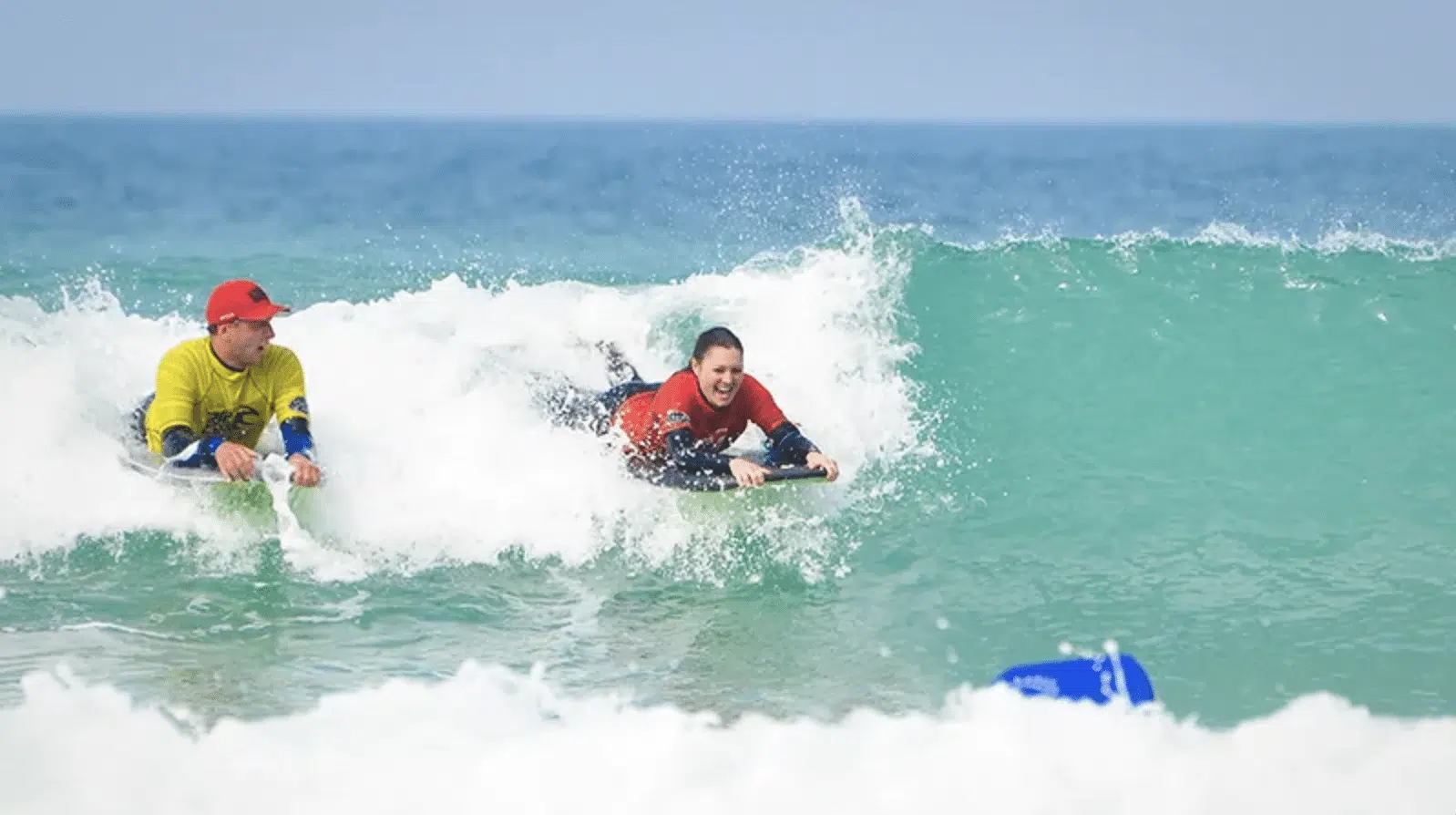
Bodyboarding involves riding breaking waves while lying on a specially designed board, typically made of lightweight foam. Unlike surfing, where you stand on a longer board, bodyboarders remain prone or sometimes kneel, using fins on their feet for propulsion and steering. The boards are shorter and more flexible, allowing riders to perform sharp turns, spins, and other manoeuvres on the wave face.
The sport appeals to all ages and skill levels because it requires less balance than surfing but still delivers a thrilling experience. Bodyboarding can be done in a variety of wave conditions, from small beach breaks to powerful reef breaks, making it a versatile option for wave riders. The bodyboard’s design helps absorb impact from waves, reducing the risk of injury compared to other board sports.
Safety is an important aspect, especially when riding bigger waves or unfamiliar spots. Wearing fins improves control and swimming ability, while using a leash attached to the board prevents it from being lost in the surf. Many riders also use wetsuits for warmth and protection in cooler waters.
How can I get involved?
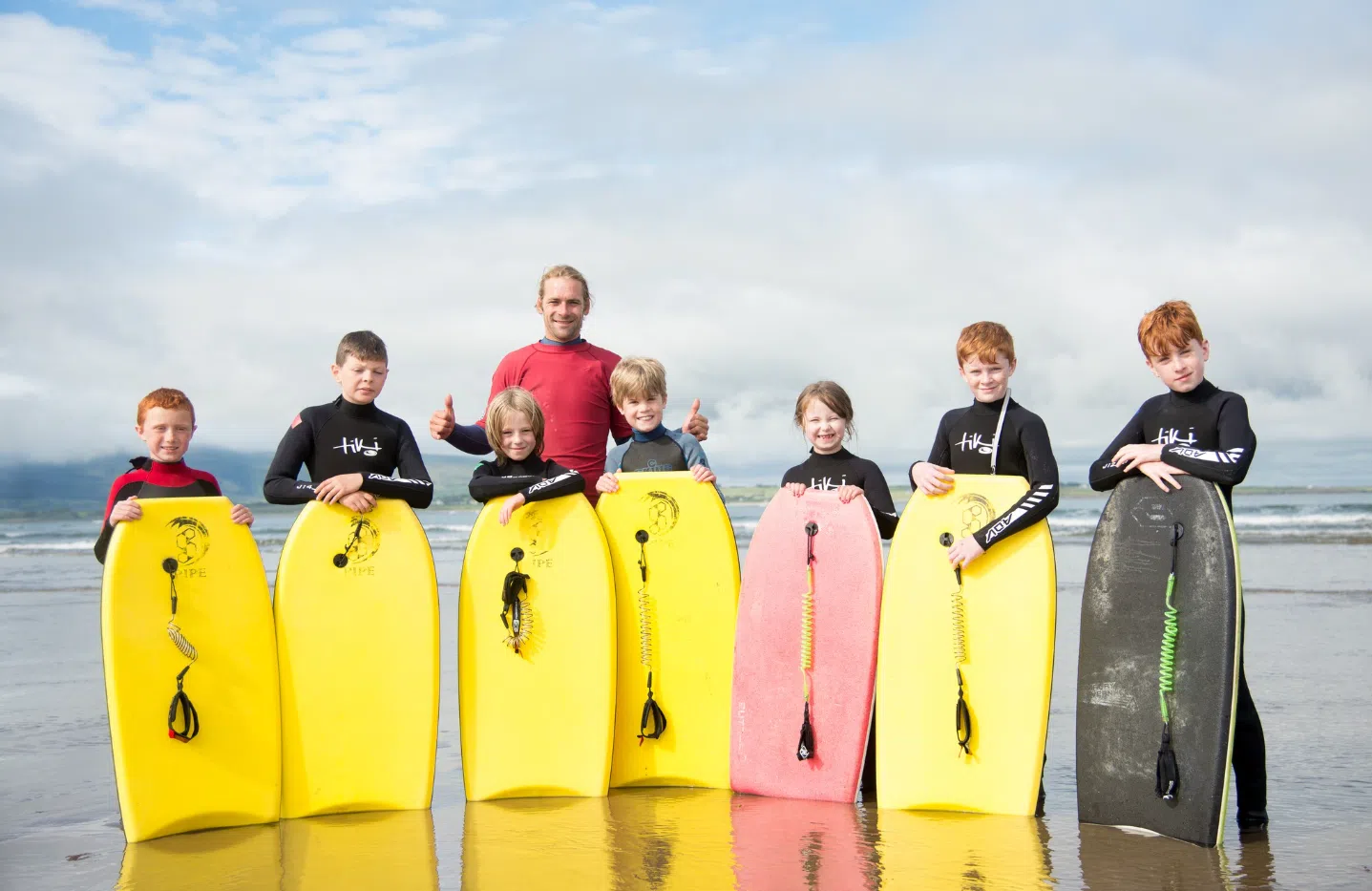
Getting started with bodyboarding is straightforward and requires minimal equipment: a bodyboard, fins, and a wetsuit if needed. Beginners should start in gentle waves to practise paddling, catching waves, and controlling the board before moving into more challenging surf.
Learning the basic techniques, such as timing your paddle to catch a wave and shifting your weight to steer, is essential. Many beginners benefit from lessons or guidance from experienced riders to understand wave patterns, safety protocols, and positioning in the surf zone.
As skills develop, riders can explore more advanced moves like drop-knees (riding on one knee), spins, and airs (jumping off the wave). Bodyboarding also offers competitive opportunities, with contests focusing on style, wave selection, and trick execution.
Finding suitable beaches with consistent waves is key. Bodyboarding communities often gather at local spots, making it a social sport as well. Safety awareness, respect for other surfers, and understanding ocean conditions are crucial to enjoying the sport responsibly.
In summary, bodyboarding is an accessible and exciting way to engage with the ocean. It offers a balance of physical activity, skill development, and fun, suitable for those wanting a different experience from traditional surfing.