What is Bushcraft?
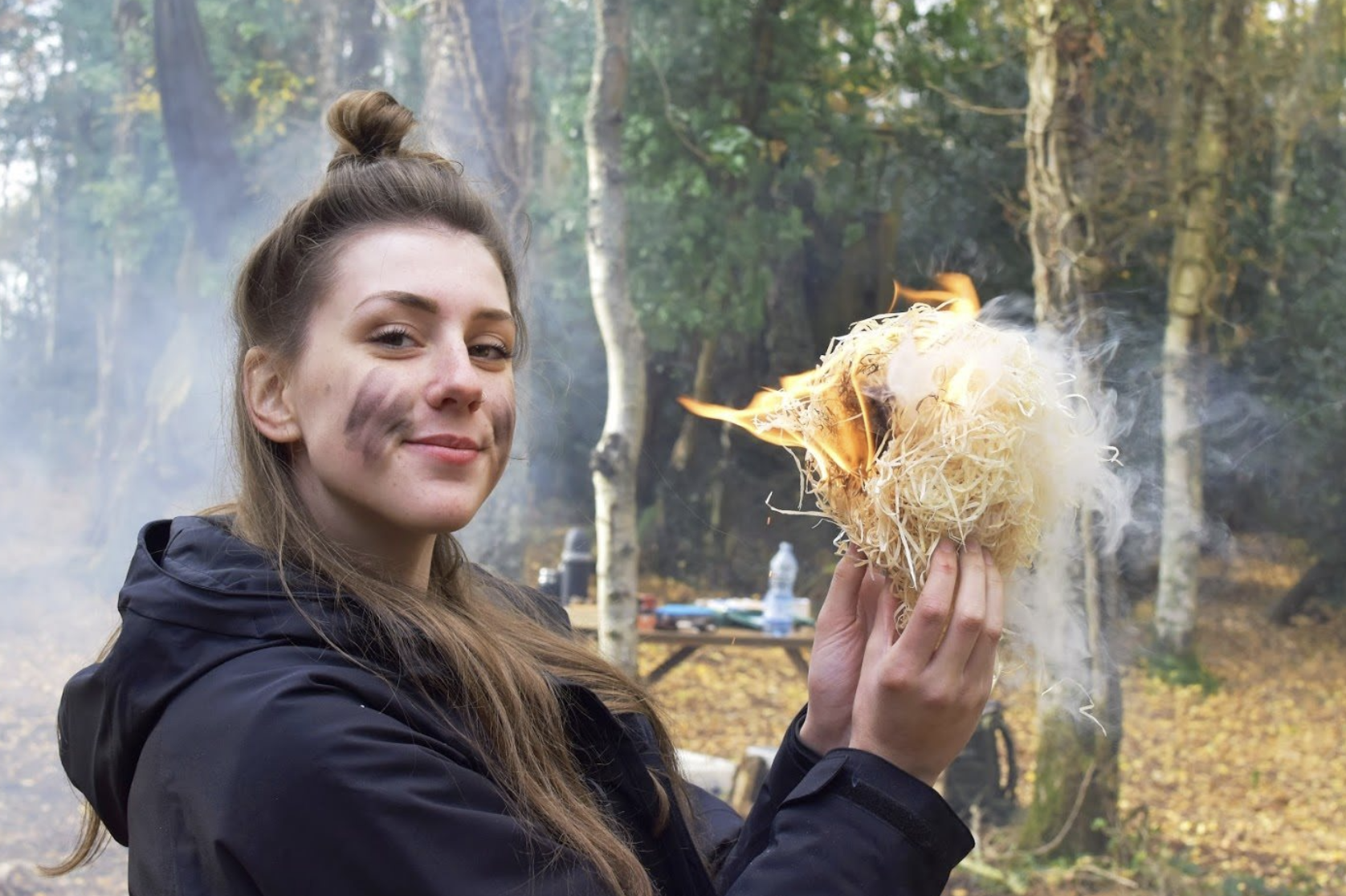
Bushcraft is a collection of outdoor skills and knowledge aimed at helping people live, survive, and thrive in natural surroundings using minimal modern equipment. It is based on techniques that have been developed and refined over centuries, focusing on making the most of natural resources like wood, stone, and plants. Common skills include building shelters, starting fires using friction or flint and steel, crafting tools, identifying edible and medicinal plants, and tracking wildlife.
While survival is a key aspect, bushcraft places significant emphasis on understanding and respecting nature. It teaches how to interact with the environment sustainably without causing harm or lasting impact. Rather than rushing, it encourages patience, observation, and adaptation to changing conditions.
Most bushcraft experiences take place in carefully managed sessions led by experienced instructors. These sessions are designed to introduce you to the core skills and build your confidence step by step. The learning environment is safe and supportive, with professional guidance to avoid risks associated with working outdoors and using sharp tools or fire.
Through practical exercises, you develop problem-solving skills and self-reliance, gaining a deeper appreciation of how ancient skills remain relevant today. Whether you want to improve your camping skills, prepare for emergencies, or simply reconnect with the outdoors, bushcraft offers a practical, hands-on approach to these goals.
How Can I Get Involved?
The best way to start with bushcraft is by joining a session or course led by qualified instructors. These can range from introductory one-day workshops to extended multi-day courses that cover a wider range of skills in more depth. Many providers offer sessions for all experience levels, so beginners are welcome and guided through the basics before moving on to more complex tasks.
During a typical session, you will be introduced to essential tools like knives, axes, and fire-starting equipment, alongside techniques for safely handling them. You will practise building shelters using natural materials such as branches and leaves, learning how to create structures that provide protection from the elements. Fire-making lessons cover different methods, from using matches or lighters to traditional flint and steel or friction techniques.
Foraging sessions teach how to identify plants that are safe to eat or useful for medicinal purposes, helping you understand the local flora and avoid hazards. Many sessions include navigation skills using natural markers or a compass. Alongside technical skills, instructors emphasise environmental awareness and responsible outdoor ethics, ensuring you understand how to minimise your impact on natural spaces.
Attending a bushcraft course is not only about acquiring skills but also about gaining confidence in the outdoors and enjoying time away from technology and modern life. The social aspect of sessions means you can share the experience with others who have similar interests, building friendships while learning.
Overall, joining a guided bushcraft session is a practical and enjoyable way to learn valuable outdoor skills. Whether you want to improve your camping trips, be better prepared for emergencies, or simply experience traditional crafts, bushcraft lessons offer a safe and supportive setting to develop your abilities and enjoy nature.